Tag: #Overdose

  • The Kelly Foundation Model: 12 Steps & Therapeutic Community

    The Kelly Foundation Model: 12 Steps & Therapeutic Community

    This comprehensive guide explores the Kelly Foundation’s unique approach to addiction recovery, integrating the principles of the 12 Steps with a therapeutic community (TC) model. We’ll delve into the program’s structure, compare and contrast it with traditional Alcoholics Anonymous (AA) and other substance abuse treatments, and examine its relevance for individuals with co-occurring mental health conditions and those experiencing homelessness.

    A solitary woman sits in a smoky, sunlit room surrounded by empty chairs, conveying a sense of solitude.

    Part 1: Understanding the Kelly Foundation’s 12-Step Program

    The Kelly Foundation’s program offers a structured pathway to recovery within a supportive community setting. It’s built on the foundation of the 12 Steps, a set of guiding principles for personal growth and sobriety, adapted for the unique context of a therapeutic community.

    1. The Therapeutic Community (TC) Model:

    A TC is more than just a treatment facility; it’s a living environment where individuals in recovery live, learn, and grow together. Key features of a TC include:

    • Structured Daily Life: A predictable schedule provides stability and routine, crucial for individuals recovering from addiction.
    • Group Therapy and Support: Regular group sessions facilitate sharing, processing emotions, and building supportive relationships.
    • Individual Counseling: Personalized therapy addresses individual needs and challenges.
    • Relapse Prevention: Strategies and skills are taught to help individuals navigate triggers and maintain sobriety.
    • Community Living and Accountability: Residents are held accountable for their actions and contribute to the community’s well-being.

    success, gradually, career

    2. The 12 Steps in Action:

    The 12 Steps provide a framework for personal transformation. The Kelly Foundation integrates these steps into the daily life of the TC:

    • Step 1 (We admitted we were powerless over alcohol—that our lives had become unmanageable): In the TC, this translates to acknowledging the impact of addiction and the need for change.
    • Step 2 (Came to believe that a Power greater than ourselves could restore us to sanity): The “Higher Power” can be interpreted broadly, encompassing spiritual beliefs, the support of the community, or a belief in the recovery process itself.
    • Step 3 (Made a decision to turn our will and our lives over to the care of God as we understood Him): This involves surrendering to the recovery process and actively participating in the program.
    • Steps 4-9 (Moral Inventory, Sharing with Another, Making Amends): These steps are facilitated through individual counseling and group discussions within the TC, providing a safe space for self-reflection and healing.
    • Steps 10-12 (Continued Personal Inventory, Prayer/Meditation, Carrying the Message): These steps emphasize ongoing self-reflection, spiritual growth, and supporting others in their recovery journeys, which is fostered through continued participation in the TC community.

    pexels photo 5711012 5711012 scaled

    Part 2: Comparing and Contrasting with Other Approaches

    1. The Kelly Foundation vs. Alcoholics Anonymous (AA):

    While both draw upon the 12 Steps, key differences exist:

    • Structure: AA is a self-help fellowship with meetings, while the Kelly Foundation offers a structured living environment with professional staff.
    • Intensity: The TC provides a more intensive level of support and intervention than typical AA meetings.
    • Therapeutic Focus: The Kelly Foundation integrates therapy and counseling, which may not be a standard component of AA.

    2. The Kelly Foundation vs. Traditional Substance Abuse Treatment:

    Traditional treatment often involves shorter-term interventions like outpatient therapy or medication-assisted treatment (MAT). The Kelly Foundation’s TC model offers a longer-term, more immersive approach focused on community living and peer support.

    man, portrait, homeless

    Part 3: Addressing Co-occurring Disorders and Homelessness

    1. Mental Health and Addiction (Co-occurring Disorders):

    The Kelly Foundation’s integrated approach can effectively address co-occurring mental health conditions like depression, anxiety, or PTSD alongside addiction. The supportive environment and access to counseling provide a holistic approach to healing.

    2. The Impact on Homelessness:

    For individuals experiencing homelessness, addiction can be a significant barrier to stability. The Kelly Foundation’s program provides a safe and supportive environment, addressing both addiction and the underlying factors contributing to homelessness. The structured environment, life skills training, and community support can help individuals rebuild their lives.
    Community optimization Unlocking Community Potential Strategies for Effective Optimization Understanding Community Dynamics

    Part 4: The Willow Cherry Foundation and willowcherry.org/

    The Willow Cherry Foundation supports the Kelly Foundation's work and provides resources and information through willowcherry.org/ and its community outreach platform, Willowcherry.org. The foundation aims to raise awareness about addiction, mental health, and homelessness while promoting the effectiveness of the therapeutic community model.


  • Step 7 Humble Requests, Higher Power: A Look at Alcoholics Anonymous

    Step 7 Humble Requests, Higher Power: A Look at Alcoholics Anonymous

    On the path to recovery in Alcoholics Anonymous (AA), Step 7 marks a significant shift. It’s a step that compels us to move beyond self-centeredness and cultivate a deeper connection with a power greater than ourselves. Here at Willowcherry.us, we delve into the essence of Step 7: “Humbly asked Him to remove our shortcomings.”

    This step might seem counterintuitive at first. We might wonder, “Haven’t we already surrendered in Step 6?” But Step 7 goes deeper. It’s about acknowledging our limitations and actively seeking the guidance and strength of a higher power.

    Drone shot capturing a surfer paddling on a vibrant green surfboard in dark ocean waters.

    A Story of Surrender: From Self-Reliance to Divine Intervention

    Imagine David, a recovering alcoholic with a strong work ethic. Through the AA program, he’s made significant progress. But lately, he’s been struggling with feelings of pride and self-sufficiency. He worries that relying on a higher power makes him seem weak.

    At a meeting, David confides in his sponsor, Michael. Michael listens patiently and explains the importance of Step 7. He clarifies that it’s not about weakness; it’s about recognizing the limitations of the ego and embracing the possibility of divine intervention.

    David hesitates. Letting go of control completely feels daunting. But with Michael’s support, he decides to embrace Step 7. He starts incorporating daily prayers into his routine, specifically asking for help in overcoming his character defects and remaining humble.

    As David practices the principles of Step 7, a remarkable shift occurs. He experiences a newfound sense of peace and acceptance. He becomes less driven by ego and more open to guidance from a higher power, however he understands it. This newfound humility strengthens his relationships and allows him to approach life with a sense of serenity.

    birds of prey, vodel, ice cream

    Step 7 and the Age of Mindfulness

    In today’s world, mindfulness practices are gaining increasing traction. Meditation apps, yoga classes, and a focus on mental well-being all emphasize the importance of quieting the ego and connecting with something larger than ourselves. Step 7 of AA aligns perfectly with this trend towards mindfulness.

    By taking Step 7, we:

    • Practice humility: We acknowledge that we don’t have all the answers and that true growth often requires surrendering to a higher power.
    • Cultivate gratitude: By asking for help, we express gratitude for the power that guides and supports us on our journey.
    • Embrace the power of intention: Step 7 encourages us to set clear intentions for our growth, aligning ourselves with a force for positive change.
    A curious cat investigates open books on a sunny table at home, exploring literature.

    The Big Book and the Philosophical Exploration of Step 7

    The Big Book of Alcoholics Anonymous offers a nuanced perspective on Step 7. It emphasizes the importance of a “daily reprieve” – the concept that we need to continually seek help from a higher power to stay sober. The Big Book assures us that this isn’t a sign of weakness; it’s a recognition of the ongoing battle against addiction.

    The concept of a “higher power” can be interpreted differently by each individual. For some, it might be a connection to a specific religion, while for others, it could be a belief in the power of the AA program, the universe, or the potential for positive change within ourselves.

    A man raises arms in freedom at sunrise in a rural field, expressing joy and connection with nature.

    Taking the Next Step: A Journey of Spiritual Growth

    Step 7 of AA is an invitation to cultivate a deeper connection with a power greater than ourselves. It’s a path that requires humility, faith, and a willingness to open ourselves to the possibility of something transformative.

    At Willowcherry.us, we invite you to explore the wisdom of AA and embark on your own journey of healing. Remember, you are not alone. There is hope, and there is help available.


  • Step 6 Letting Go and Letting Grow: A Deep Dive into Alcoholics Anonymous

    Step 6 Letting Go and Letting Grow: A Deep Dive into Alcoholics Anonymous

    The road to recovery in Alcoholics Anonymous (AA) is a journey of self-discovery and transformation. Step 6 marks a pivotal point on this path, urging us to take responsibility for our actions and cultivate a willingness to change. Here at Willowcherry.us, we delve into the essence of Step 6: “Were entirely ready to have God remove all these defects of character.”

    This step might seem deceptively simple. But within its apparent simplicity lies a profound truth – a truth that challenges us to surrender our ego and embrace the possibility of growth.

    Black and white scene depicting a tense interrogation with suspect and investigator.

    A Story of Transformation: From Powerless to Empowered

    Imagine Sarah, a recovering alcoholic who has been sober for several months. Through the AA program, she’s gained a deeper understanding of herself and her character defects. However, she still struggles with anger outbursts and resentment towards certain people in her life.

    At a meeting, Sarah shares her frustrations with her sponsor, Emily. Emily listens patiently and suggests taking Step 6. She explains that Step 6 isn’t about achieving immediate perfection; it’s about cultivating a willingness to let go of negative traits and allow a higher power, as we understand it, to guide us on a path of transformation.

    Sarah hesitates. The idea of surrendering control over her character feels unsettling. But with Emily’s support, she decides to embrace Step 6. She makes a list of her character defects and commits to actively working on them through prayer, meditation, and continued participation in the AA program.

    As Sarah practices the principles of Step 6, a remarkable shift begins to occur. She experiences a newfound sense of peace and acceptance. She becomes more patient, forgiving, and understanding – towards herself and others. This transformation strengthens her relationships and allows her to live a more fulfilling life.

    flower, botany, gerbera

    Step 6 and the Age of Personal Growth

    In today’s world, personal development is a booming industry. Self-help books, mindfulness apps, and personal coaching programs all cater to our desire to improve ourselves. Step 6 of AA aligns perfectly with this trend towards self-growth.

    By taking Step 6, we:

    • Embrace personal responsibility: We acknowledge that we have the power to change and improve ourselves, even if we can’t control everything around us.
    • Practice self-compassion: Step 6 encourages us to accept our flaws without judgment, fostering a sense of self-compassion that is crucial for growth.
    • Cultivate a growth mindset: By acknowledging the need for change, we adopt a growth mindset, believing that we can learn and improve throughout our lives.
    light, lamp, bedside lamp

    The Big Book and the Philosophical Exploration of Step 6

    The Big Book of Alcoholics Anonymous offers a nuanced perspective on Step 6. It emphasizes the importance of willingness and surrender. It assures us that we don’t need to have all the answers or possess the willpower to change everything on our own.

    The concept of a “higher power” can be interpreted differently by each individual. For some, it might be a connection to a specific religion, while for others, it could be a belief in the power of the AA program or the potential for positive change within ourselves.

    Car parked at night with street lights and cityscape, moody ambiance.

    Taking the Next Step: A Journey of Self-Mastery

    Step 6 of AA is an invitation to embark on a lifelong journey of self-discovery and growth. It’s a path that requires humility, willingness, and a commitment to becoming the best version of ourselves.

    At Willowcherry.us, we invite you to explore the wisdom of AA and embark on your own journey of healing. Remember, you are not alone. There is hope, and there is help available.


  • Step 5 AA Explained: A Systems Analyst’s Guide to Moral Inventory

    Step 5 AA Explained: A Systems Analyst’s Guide to Moral Inventory

    Step 5: The System Audit

    In the Recovery Dynamics model, Step 4 is the data collection phase (Inventory), and Step 5 is the data processing phase. The text states: “Admitted to God, to ourselves, and to another human being the exact nature of our wrongs.”

    For the analytical mind, this is not a religious confession; it is a System Audit. Just as a server cannot function efficiently with corrupted logs, the human operating system cannot maintain sobriety while harboring secret “error codes” (resentments/fears). Step 5 is the act of reading those logs aloud to a trusted administrator (sponsor) to finally clear the cache.

    The path to recovery in Alcoholics Anonymous (AA) is paved with honesty and vulnerability. Step 5 marks a significant milestone on this journey – a step that requires courage, transparency, and a willingness to share our deepest secrets. Here at Willowcherry.us, we delve into the essence of Step 5: “Admitted to God, to ourselves, and to another human being the exact nature of our wrongs.”

    This step might seem intimidating at first. It compels us to confront our past transgressions and lay them bare before a higher power, ourselves, and another trusted individual. But within this act of vulnerability lies the potential for immense healing and liberation.

    Couple enjoying a relaxing moment at home, reading books together on a sofa.

    A Story of Forgiveness: Owning Up to the Past

    Imagine David, a recovering alcoholic who has been sober for a year. He’s made significant progress in the AA program, but a dark secret from his past continues to haunt him. Shame and guilt prevent him from moving forward with true peace.

    At a meeting, David confides in his sponsor, Michael. Michael listens patiently and suggests taking Step 5. He explains that by admitting our wrongs to a higher power, ourselves, and another trusted person, we can begin to release the burden of the past and experience the transformative power of forgiveness.

    David hesitates. Sharing his secret feels terrifying. But with Michael’s support, he decides to take the plunge. He writes a detailed account of his past transgression, outlining the impact it had on himself and others. Then, with a pounding heart, he shares his story with Michael.

    The experience is cathartic. As David speaks, a weight lifts from his shoulders. Michael listens without judgment, offering compassion and support. David feels a sense of forgiveness washing over him – not just from Michael, but also from himself and a higher power as he understands it.

    Close-up of a young woman using a smartphone in a dimly lit room, her face illuminated by screen light.

    Step 5 and the Age of Transparency

    In today’s world, the concept of vulnerability is gaining increasing traction. Social movements like #MeToo and growing awareness around mental health emphasize the importance of sharing our stories and experiences. Step 5 of AA aligns perfectly with this cultural shift.

    By admitting our wrongs, we:

    • Promote healing and growth: Sharing our burdens with a trusted confidant allows us to process past hurts and move towards emotional healing.
    • Strengthen relationships: Vulnerability can foster deeper connections with others, built on trust and authenticity.
    • Break the cycle of shame: Keeping secrets can be isolating and perpetuate shame. Step 5 encourages open communication, which can help break free from this cycle.
    Blood moon eclipse visible over a starry sky in Mönchberg, Germany. Cosmic phenomena captured at night.

    The Big Book and the Philosophical Exploration of Step 5

    The Big Book of Alcoholics Anonymous offers a nuanced perspective on Step 5. It emphasizes the importance of honesty, specificity, and willingness to make amends where possible. The Big Book assures us that this process is not about self-punishment, but about releasing the burden of the past and achieving spiritual growth.

    The concept of admitting our wrongs to a “higher power” can be interpreted differently by each individual. For some, it might be a connection to a specific religion, while for others, it could be a sense of universal goodness or the supportive community of AA itself.

    A man in a leather jacket sits in a car, driving at night, with a moody atmosphere.

    Taking the Next Step: A Journey of Liberation

    Step 5 of AA is an invitation to step into the light of honesty and vulnerability. It’s a path that requires courage, but ultimately, it leads to a lighter heart, stronger relationships, and the freedom to move forward with a clean slate.

    At Willowcherry.us, we invite you to explore the wisdom of AA and embark on your own journey of healing. Remember, you are not alone. There is hope, and there is help available.


  • Step 4: A Systems Analyst’s Guide to Moral Inventory

    Step 4: A Systems Analyst’s Guide to Moral Inventory

    The Diagnostic Phase: Debugging the Self

    In the “Systemic Self-Mastery” framework, Step 4 is the diagnostic phase. You cannot patch a bug you haven’t identified. The “Fearless Moral Inventory” is simply a root logs analysis of your own operating system.

    The Recovery Dynamics model teaches us that resentments are “memory leaks” that drain your processing power. If you are operating on a corrupted kernel of fear and anger, the system will eventually crash (relapse). This Step 4 Inventory Guide treats the process not as a religious confession, but as a necessary technical audit.

    This step might seem daunting at first. It compels us to take a deep, honest look at our past mistakes and shortcomings. But within this unflinching self-reflection lies the potential for immense growth.

    Black and white portrait of an elderly woman with a cigarette, evoking depth and emotion.

    A Story of Self-Discovery: Unearthing the Roots

    Imagine Emily, a successful lawyer who has struggled with alcoholism for years. Through the AA program, she’s made significant progress. But a nagging sense of unease persists. She feels a block in her recovery, a lingering shame that keeps her from true peace.

    At a meeting, Emily shares her struggles with her sponsor, Sarah. Sarah, with gentle wisdom, suggests taking a deep dive into Step 4. She explains that by honestly examining our past actions and their impact, we can begin to understand the root causes of our addiction and move towards healing.

    Emily hesitates. Confronting her past is a terrifying prospect. But with Sarah’s support, she embarks on the journey of Step 4. She meticulously writes down her resentments, fears, and character defects. As she delves deeper, she uncovers a web of negative emotions – guilt over broken relationships, anger towards past decisions, and a deep-seated fear of failure.

    The process is painful, but with each honest reflection, Emily feels a burden lift. She begins to see the connection between her past and her addiction. This newfound self-awareness empowers her to forgive herself and others, and to approach the future with a newfound sense of clarity and purpose.

    Man expressing in front of a mirror with vibrant flowers outdoors. Reflective mood.

    Step 4 and the Culture of Self-Awareness

    In today’s world, the concept of self-reflection is gaining increasing traction. Mindfulness practices, therapy, and personal development movements all emphasize the importance of understanding ourselves. Step 4 of AA aligns perfectly with this growing trend.

    By taking a fearless moral inventory, we:

    • Cultivate self-awareness: Step 4 compels us to confront our shadow selves, the hidden aspects of our personalities that contribute to negative behaviors. This self-awareness is crucial for lasting change.
    • Promote emotional healing: By acknowledging past hurts and resentments, we can begin to process and release them, paving the way for emotional healing.
    • Build stronger relationships: Step 4 helps us identify character defects that might be harming our relationships. By addressing these defects, we can build healthier and more fulfilling connections with others.
    A clear view of the moon's surface in the night sky, capturing detailed lunar features.

    The Big Book and the Philosophical Exploration of Step 4

    The Big Book of Alcoholics Anonymous offers a wealth of wisdom on Step 4. It emphasizes the importance of honesty, thoroughness, and fearlessness in conducting our moral inventory. It also assures us that this process is not about self-flagellation, but about self-discovery and growth.

    The Big Book suggests that a higher power can guide us through this challenging step. By surrendering to this power, we can gain the strength and courage to face our past with honesty and compassion.

    A lone woman hikes a grassy hill trail under a cloudy sky, epitomizing solitude.

    Taking the Next Step: A Path to Freedom

    Step 4 of AA is an invitation to embark on a journey of self-discovery. It’s a path fraught with challenges, but ultimately, it leads to a deeper understanding of ourselves and the freedom to move forward with a lighter heart.

    At Willowcherry.us, we invite you to explore the wisdom of AA and embark on your own journey of healing. Remember, you are not alone. There is hope, and there is help available.


    http://youtu.be/1MeqDeBz8zc

  • Step 3 Letting Go and Letting God: A Look at Alcoholics Anonymous

    Step 3 Letting Go and Letting God: A Look at Alcoholics Anonymous

    On the road to recovery in Alcoholics Anonymous (AA), Step 3 marks a significant turning point. It’s where the rubber meets the road, so to speak. Here at Willowcherry.us, we delve into the essence of Step 3: “Made a decision to turn our will and our lives over to the care of God as we understood Him.”

    This step can be a source of both trepidation and liberation. It compels us to relinquish control and embrace a power greater than ourselves. But within this surrender lies the potential for profound transformation.

    A woman with 'SPEAK' taped over her mouth, symbolizing silence and oppression.

    A Story of Surrender: From Fear to Freedom

    Imagine David, a talented musician whose alcoholism has threatened to silence his music forever. Despite attending meetings and working Step 2, David continues to struggle with intrusive thoughts and cravings. He feels powerless against the relentless grip of addiction.

    One night, at a particularly low point, David confides in his sponsor, a seasoned AA member named Michael. Michael listens patiently and then shares his experience with Step 3.

    Michael explains that Step 3 isn’t about blind obedience or religious dogma. It’s about making a conscious decision to surrender the reins – to let go of the illusion of control and trust in a higher power, however we understand it.

    David hesitates. Letting go feels risky, even terrifying. But with Michael’s guidance, he begins to see surrender not as weakness, but as a form of strength. It’s about acknowledging his limitations and embracing the possibility of a life beyond addiction.

    As David takes Step 3, a sense of peace washes over him. He starts to experience a newfound willingness to trust the process, to believe that something greater is at work in his life. This newfound surrender empowers him to focus on his recovery journey, one day at a time.

    girl, people, tough

    The Power of Surrender in a Self-Reliant World

    In today’s society, we often equate success with self-reliance and control. We’re bombarded with messages telling us to “hustle harder” and “be our own boss.” But Step 3 of AA offers a powerful counterpoint.

    Surrender, as envisioned in Step 3, isn’t about giving up. It’s about acknowledging the limitations of the ego and embracing the possibility of something greater guiding us. It’s about letting go of the need to control every aspect of our lives and opening ourselves to the possibility of transformation.

    This concept resonates with many of today’s most pressing issues:

    • Mental health: The act of surrender in Step 3 aligns with the growing emphasis on self-compassion and vulnerability in mental health treatment. By letting go of self-blame and shame, we create space for healing.
    • Burnout: In our fast-paced world, Step 3 serves as a reminder of the importance of rest and letting go. By surrendering to a higher power, we can release the burden of control and find peace.
    • Social justice: The concept of surrender in Step 3 can inspire us to connect with something larger than ourselves and work towards a more just and equitable world.
    A captivating image of an open book under a dramatic spotlight, symbolizing knowledge.

    The Big Book and the Philosophical Exploration of Step 3

    The Big Book of Alcoholics Anonymous offers a nuanced perspective on Step 3. It emphasizes that the “higher power” can manifest differently for each individual. It could be a connection to a spiritual tradition, a sense of awe inspired by nature, or the supportive community of AA itself.

    The key is to find something that transcends the self and offers a sense of hope, guidance, and strength on the path to recovery.

    Silhouette of a man in a wheelchair gazing outdoors, symbolizing solitude and reflection.

    Taking the Next Step: A Journey of Hope

    Step 3 of AA is a powerful invitation to surrender and trust. It’s not about weakness; it’s about embracing the possibility of a life beyond addiction. By letting go of control and connecting with a higher power, we open ourselves to the transformative power of recovery.

    At Willowcherry.us, we invite you to explore the wisdom of AA and embark on your own journey of healing. Remember, you are not alone. There is hope, and there is help available…


  • Step 2 Finding Hope Through Acceptance: A Deep Dive into Alcoholics Anonymous

    Step 2 Finding Hope Through Acceptance: A Deep Dive into Alcoholics Anonymous

    At Willowcherry.us, we believe in the transformative power of Alcoholics Anonymous (AA). This powerful program has helped countless individuals overcome addiction and find lasting recovery. As we explore the core principles of AA, today, we’re delving into Step 2: “Came to believe that a power greater than ourselves could restore us to sanity.”

    Step 2 might seem daunting at first, particularly in today’s world that often emphasizes self-sufficiency and control. But within this step lies a profound truth – a truth that transcends religion or dogma and speaks to the very core of human experience.

    A Story of Acceptance: From Rock Bottom to Redemption

    wood, from top to bottom, birch

    Imagine Sarah, a high-powered executive who has battled alcoholism for years. Her addiction has chipped away at her relationships, her career, and her sense of self. One night, after a public humiliation, Sarah finds herself at rock bottom. Filled with despair, she contemplates ending it all.

    But then, a glimmer of hope emerges. A friend reaches out, inviting her to an AA meeting. Hesitantly, Sarah attends. There, she hears stories of transformation, of individuals who have found freedom from the shackles of addiction. She is particularly struck by a man named John, who shares his own experience with Step 2.

    John speaks of his lifelong struggle with alcohol and the moment of surrender that became a turning point. He describes a realization – that he was powerless over alcohol and that true recovery required a force beyond himself. This concept resonated deeply with Sarah.

    As Sarah continues attending meetings and working the AA program, she begins to understand the true essence of Step 2. It’s not about subscribing to a specific religion; it’s about acknowledging the limitations of the ego and embracing the possibility of a higher power – a power that can guide her on the path to recovery.

    The Power of Acceptance in a Chaotic World

    earth, globe, planet

    In a world that often prizes control and achievement, Step 2 offers a radical yet liberating perspective. It compels us to acknowledge that we are not always in control. We are vulnerable to forces beyond our understanding, including the disease of addiction.

    This concept might feel counterintuitive in today’s hustle culture. We are bombarded with messages telling us to “girl boss” our way to success and to achieve happiness through sheer willpower. But AA wisdom reminds us that true strength lies in acknowledging our limitations and surrendering to something greater.

    This doesn’t mean passivity or resignation. It’s about accepting our current reality as a starting point for growth. By letting go of the illusion of complete control, we open ourselves to the possibility of transformation.

    Finding Your Higher Power: A Philosophical Exploration

    A woman holding a glass shard, immersed in thought in a post-apocalyptic setting.

    The concept of a “higher power” in Step 2 can be a source of confusion for some. It’s important to remember that AA is a program of spiritual principles, not a religious doctrine. The higher power can manifest differently for each individual.

    For some, it might be a connection to a higher purpose, a sense of awe inspired by nature, or the collective wisdom of the AA community itself. The key is to find something that transcends the self and offers a sense of hope and guidance.

    Step 2 and Today’s Hottest Topics

    Step 2’s message of acceptance resonates with many of today’s most pressing issues. Here are a few examples:

    • Mental health: The emphasis on self-acceptance in Step 2 aligns with the growing conversation around mental health. By acknowledging our limitations and seeking help, we can start the journey towards healing.
    • Addiction recovery: Step 2 is a foundational principle in addiction recovery programs beyond AA. Recognizing the powerlessness over addiction is crucial for lasting change.
    • Social justice: The concept of a higher power can inspire us to connect with something larger than ourselves and work towards a more just and equitable world.

    Conclusion: A Step Towards a Brighter Future

    Step 2 of AA is not about blind faith or religious dogma. It’s about embracing the power of acceptance and surrendering to the possibility of something greater than ourselves. In a world that often feels chaotic and out of control, Step 2 offers a path towards hope, healing, and transformation.

    At Willowcherry.us, we invite you to explore the wisdom of AA and embark on your own journey of recovery. Remember, you are not alone. There is hope, and there is help available.


  • Step 1 Understanding Alcoholics Anonymous: A Journey from Substance Use to Recovery

    Step 1 Understanding Alcoholics Anonymous: A Journey from Substance Use to Recovery

    What Is Powerlessness? Step One Of The 12-Steps Of Alcoholics Anonymous
    What Is Powerlessness? Step One Of The 12-Steps Of Alcoholics Anonymous

    Alcoholics Anonymous (AA) has been a beacon of hope for countless individuals seeking recovery from addiction. The foundation of this transformative journey lies in its Twelve Steps, with Step One serving as the crucial starting point:

    “We admitted we were powerless over alcohol—that our lives had become unmanageable.”

    This admission is not merely about alcohol; it encompasses all substances that can lead to dependency and unmanageability in one’s life.

    The Evolution from Casual Use to Dependency

    Mother multitasking with laptop while daughter plays on sofa, balancing work and family.

    Many individuals begin their relationship with substances casually—be it marijuana, cocaine, MDMA (Ecstasy), DMT, GHB, psilocybin mushrooms, or alcohol. These substances are often used recreationally, sometimes even with the belief that they can aid in coping with issues like PTSD. However, what starts as occasional use can insidiously evolve into dependency, leading to profound personal and interpersonal challenges.

    A Personal Narrative: The Journey of Willow Cherry

    Willow Cherry
    Willow Cherry in 2018

    Consider the story of Willow Bruce Cherry, a former U.S. Navy contractor who, after his career, sought solace in the tranquil waters of the Bahamas and the Caribbean. Aboard his cruising sailboat, Willow indulged in various substances, including alcohol, as a means to unwind and perhaps to escape lingering traumas. The clear waters and serene landscapes provided a picturesque backdrop, but beneath the surface, a struggle was brewing.

    In 2018, Willow faced significant legal challenges, including an indictment related to the disappearance and presumed death of his brother-in-law, Peter Lian. The case, which garnered media attention, highlighted the complexities of Willow’s personal life and the potential impact of substance use on his actions and decisions.

    Kentucky Herald Leader: His body wasn’t found. Now his brother-in-law is charged with murder.

    Amidst these challenges, Willow’s wife, Misty Feltner, stood by him. Their relationship, tested by legal battles and personal struggles, eventually saw changes, with Misty reverting to her maiden name, Feltner. The couple’s journey underscores the profound impact that personal and legal challenges can have on relationships and individual identities.

    The Role of Step One in Willow’s Recovery

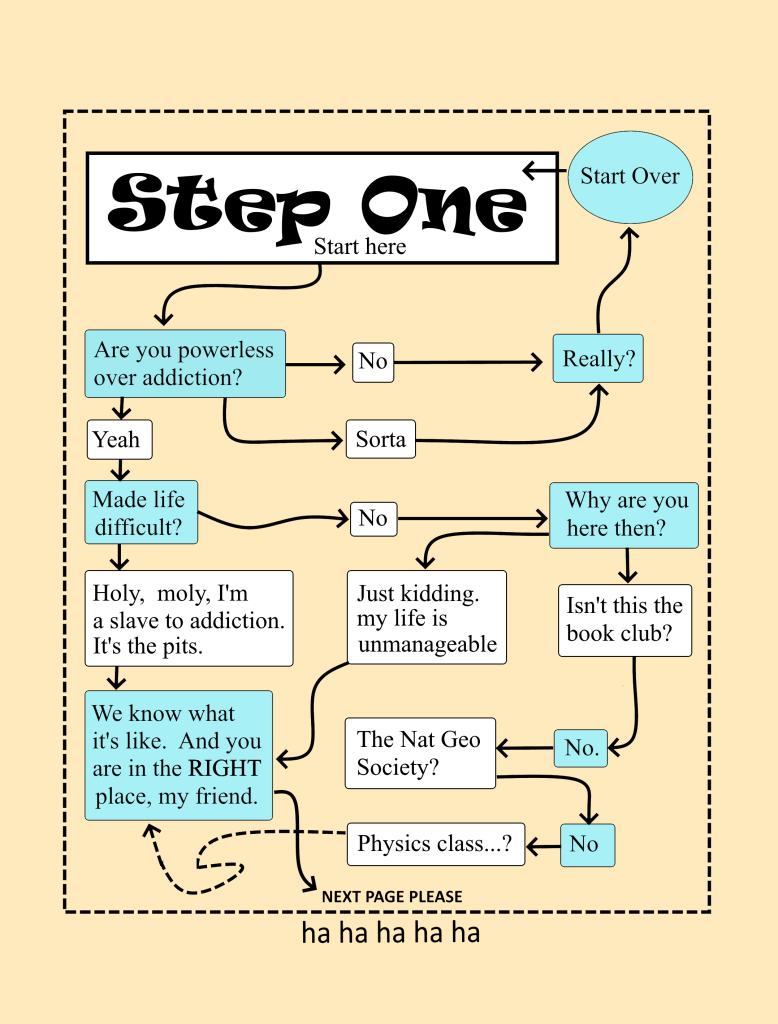
    Worksheets #1 and #5: These are examples of a coloring page and the author’s poor sense of humor.
    Outside-the-Box Recovery STEP ONE | Kim Rosenthal, MD

    Facing the unmanageability of his life, Willow turned to Alcoholics Anonymous. Residing at The Commitment House Recovery in Elizabethtown, Kentucky, he began his earnest journey through the Twelve Steps. Under the guidance of his sponsor, David Browne—a testament to the success of the program, having achieved recovery years prior—Willow embraced Step One.

    David-Browne
    David Browne on Facebook

    David Browne’s own journey through recovery provided a source of inspiration and guidance for Willow. Having navigated the challenges of addiction and emerged successful, David’s mentorship was instrumental in Willow’s acceptance of his powerlessness over substances and the unmanageability of his life.

    This step was not entirely new to Willow; he had previously graduated from a recovery program on October 1, 2018, and had been working through the Twelfth Step with his original sponsor in Cincinnati, Ohio. His commitment to the program was further evidenced by his support for three newer clients who had not yet completed the steps, embodying the spirit of service and community that AA fosters.

    Kentucky and Indiana Addiction and Substance Abuse Treatment
Where Treatment Meets Recovery

Who We Are
Our mission is to provide person-centered Addiction Treatment that instills the tools to maintain long-term sobriety by changing the way people live and think.

The Commitment House is an alcohol rehab and drug treatment center specializing in substance abuse, alcoholism, dual-diagnosis and addiction recovery. We believe that one of the most vital functions of our alcohol rehab and drug rehab program is the care planning; it is the individual’s road map to recovery.

Contact Us

How We Can Help
Services We Provide


Holistic, Person-Centered Treatment
Detox with Residential Treatment
Residential Transitional
Partial Hospitalization Program (PHP)
Intensive Outpatient Program (IOP)
Outpatient Program (OP)
"They really go the extra mile to help anyone suffering from the disease of addiction."
- Rod J.
Your Future Awaits
Begin Treatment Today
Our mission is to provide a person-centered program that instills the tools to maintain long-term sobriety; by changing the way people live and think.
Contact Us
24/7 @ (270) 900-0373
Call US today to see if we are in-network with your insurance provider!
We accept most insurance providers! Contact us to check your insurance today.  To ensure our residential treatment services are accessible to patients lacking healthcare coverage, we offer self-pay options and will help you get signed-up for insurance if you need it.


The Commitment House ASAM Logo
The Commitment House CARF Logo
The Commitment House BBB Logo
The Commitment House BHSO Logo
Testimonials
We Can Help You Find A Way Through
    Kentucky and Indiana Addiction and Substance Abuse Treatment
    Where Treatment Meets Recovery

    Who they Are
    Our mission is to provide person-centered Addiction Treatment that instills the tools to maintain long-term sobriety by changing the way people live and think.

    The Commitment House is an alcohol rehab and drug treatment center specializing in substance abuse, alcoholism, dual-diagnosis and addiction recovery. We believe that one of the most vital functions of our alcohol rehab and drug rehab program is the care planning; it is the individual’s road map to recovery.

    Holistic, Person-Centered Treatment

    Detox with Residential Treatment
    Residential Transitional
    Partial Hospitalization Program (PHP)
    Intensive Outpatient Program (IOP)
    Outpatient Program (OP)

    “They really go the extra mile to help anyone suffering from the disease of addiction.”
    – Rod J.

    Our mission is to provide a person-centered program that instills the tools to maintain long-term sobriety; by changing the way people live and think.
    Contact Us : 24/7 @ (270) 900-0373
    Call US today to see if we are in-network with your insurance provider!
    We accept most insurance providers! Contact us to check your insurance today. To ensure our residential treatment services are accessible to patients lacking healthcare coverage, we offer self-pay options and will help you get signed-up for insurance if you need it.

    The Philosophical Underpinnings of Step One

    Portrait of an elderly man with a long beard sitting on outdoor stone steps.

    Step One is deeply rooted in the principles of the Oxford Group, a Christian fellowship founded in the early 20th century that emphasized personal transformation through self-examination, acknowledgment of shortcomings, restitution, and service to others. AA co-founders Bill Wilson and Dr. Bob Smith drew inspiration from these principles, adapting them into a secular framework to address alcoholism.

    The acknowledgment of powerlessness is a profound act of humility and self-awareness. It requires individuals to confront the reality that their willpower alone is insufficient to overcome their addiction. This admission paves the way for openness to external help, be it through a higher power, community support, or therapeutic interventions.

    AA’s Global Impact and Contemporary Relevance

    Captivating water ripples in abstract blue tones, perfect for artistic backgrounds.

    Since its inception in 1935, Alcoholics Anonymous has grown into a worldwide fellowship, with millions of members across diverse cultures and societies. Its Twelve-Step program has been adapted to address various forms of addiction beyond alcohol, including narcotics, gambling, and overeating.

    The universality of Step One lies in its applicability to any situation where individuals find themselves ensnared by behaviors or substances that render their lives unmanageable. In today’s world, where substance use is prevalent, and the lines between casual use and dependency can blur, the principles of AA offer a timeless framework for self-examination and recovery.

    The Commitment House Recovery and Its Role in Willow’s Journey

    The Commitment House Recovery and Its Role in Willow's Journey
    The Commitment House Recovery and Its Role in Willow’s Journey

    The Commitment House Recovery in Elizabethtown, Kentucky, has been a cornerstone in Willow’s path to sobriety. Founded with the mission to provide comprehensive recovery services, the facility offers a structured environment where individuals can work through the Twelve Steps with the support of experienced sponsors and a compassionate community.

    David Browne, now serving as Willow’s sponsor, brings a wealth of experience and empathy to his role. Having traversed the arduous path of addiction and emerged victorious, David embodies the success that The Commitment House aims to facilitate for all its clients.

    The Interplay Between Steps One and Twelve

    Professional meeting with two men shaking hands and a woman with a coffee cup in an office.

    While Step One focuses on personal acknowledgment of powerlessness and unmanageability, Step Twelve emphasizes service to others:

    “Having had a spiritual awakening as the result of these steps, we tried to carry this message to alcoholics, and to practice these principles in all our affairs.”

    Willow’s dedication to supporting newer clients who have not yet completed the steps exemplifies the symbiotic relationship between personal recovery and community service. By guiding others, he reinforces his own commitment to sobriety and contributes to the perpetuation of AA’s foundational principles.

    Conclusion

    The journey from casual substance use to acknowledging powerlessness is deeply personal and often fraught with challenges. Alcoholics Anonymous, through its Twelve Steps, offers a structured and compassionate pathway toward recovery.

  • Kentucky Peer Support & Recovery Resources

    Kentucky Peer Support & Recovery Resources

    Vetted Recovery Systems in Kentucky

    When searching for effective Peer Support Kentucky networks, it is crucial to understand that recovery is not just about abstinence—it’s about debugging the operating system of the self. The following resources utilize the Recovery Dynamics model or similar evidence-based peer support structures to help you rebuild.

    • The Healing Place (Louisville & Campbellsville): A peer-driven model focusing on long-term behavioral change.
      System Type: Social Model Recovery.
    • Recovery Kentucky Centers: A statewide network of housing and recovery centers funded by the Kentucky Housing Corporation (KHC).
      Resource Link: Kentucky Housing Corporation
    • Isaiah House: Comprehensive treatment offering job training and peer support certification opportunities.
      Focus: Holistic Reintegration.
    • Operation UNITE: Providing vouchers and investigative support for those seeking treatment in the 5th Congressional District.
      Helpline: 1-866-908-6483
  • Substance Use Disorder and the Digital Dopamine Loop

    Substance Use Disorder and the Digital Dopamine Loop

    The New Supply: Algorithmic Addiction

    In traditional recovery, we talk about “people, places, and things.” But what if the most dangerous “place” is the 6-inch screen in your pocket? Modern Digital Addiction Recovery requires us to understand that social media algorithms are engineered to hijack the same dopamine pathways as opioids or alcohol.

    For the Recovery Dynamics student, this is a “Runtime Error” in the brain’s reward system. We must debug the input (screen time) to stabilize the output (sobriety).

    The Algorithm vs. The Addict

    Substance Use Disorder (SUD) is often defined by the inability to stop a behavior despite negative consequences. In the context of Digital Addiction Recovery, the “substance” is not a chemical, but a variable reinforcement schedule delivered via notifications and infinite scrolls. Tech companies employ “Persuasive Design”—psychological triggers that mirror the anticipation phase of drug use.

    For individuals in early recovery, this creates a dangerous cross-addiction. You may have put down the bottle, but if you are spending 8 hours a day doom-scrolling, your dopamine baseline remains dysregulated. The brain cannot distinguish between the “hit” of a like and the “hit” of a substance; it only registers the spike.

    Debugging the Dopamine Loop: Practical Steps

    To achieve digital sovereignty, we must apply the principles of harm reduction to our technology usage. Here are three “System Patches” to regain control:

    1. Greyscale Mode (Visual Detox)

    Turn your phone to “Greyscale” in the accessibility settings. By removing the vibrant colors (specifically red notification bubbles), you strip the device of its primary visual stimulant. This makes the phone a tool, not a toy.

    2. The “Digital Interlock”

    Just as an ignition interlock prevents a car from starting, app blockers like “Freedom” or “Opal” prevent access to high-dopamine apps during vulnerable hours. Automating willpower is a key strategy in forensic mitigation of risky behaviors.

    3. The 24-Hour “Air Gap”

    Institute a weekly “Digital Sabbath” where all devices are powered down. This hard reset allows your neurochemistry to stabilize, much like the initial detox phase in clinical treatment.

    Recovery Dynamics in a Digital Age

    The Kelly Foundation’s Recovery Dynamics model teaches that we must identify the “problem” before we can apply the “solution.” If we ignore the impact of digital overconsumption, we leave a backdoor open for relapse. Digital sobriety isn’t about rejecting technology; it’s about rewriting your user permissions so that you are the admin, not the algorithm.

    Frequently Asked Questions About Digital Addiction

    Is “Digital Addiction” a recognized Substance Use Disorder?

    While not yet in the DSM-5 as a substance disorder, Digital Addiction Recovery treats screen dependency with the same clinical seriousness. It shares key markers with SUD: tolerance, withdrawal, and loss of control.

    How does social media affect early recovery?

    Social media triggers the brain’s reward system, releasing dopamine in unpredictable spikes. For someone in recovery, this can cause “Dopamine Exhaustion,” leading to irritability, depression, and higher susceptibility to relapse.