
Tag: #alcoholism

  • Step 5 AA Explained: A Systems Analyst’s Guide to Moral Inventory

    Step 5 AA Explained: A Systems Analyst’s Guide to Moral Inventory

    Step 5: The System Audit

    In the Recovery Dynamics model, Step 4 is the data collection phase (Inventory), and Step 5 is the data processing phase. The text states: “Admitted to God, to ourselves, and to another human being the exact nature of our wrongs.”

    For the analytical mind, this is not a religious confession; it is a System Audit. Just as a server cannot function efficiently with corrupted logs, the human operating system cannot maintain sobriety while harboring secret “error codes” (resentments/fears). Step 5 is the act of reading those logs aloud to a trusted administrator (sponsor) to finally clear the cache.

    The path to recovery in Alcoholics Anonymous (AA) is paved with honesty and vulnerability. Step 5 marks a significant milestone on this journey – a step that requires courage, transparency, and a willingness to share our deepest secrets. Here at Willowcherry.us, we delve into the essence of Step 5: “Admitted to God, to ourselves, and to another human being the exact nature of our wrongs.”

    This step might seem intimidating at first. It compels us to confront our past transgressions and lay them bare before a higher power, ourselves, and another trusted individual. But within this act of vulnerability lies the potential for immense healing and liberation.

    Couple enjoying a relaxing moment at home, reading books together on a sofa.

    A Story of Forgiveness: Owning Up to the Past

    Imagine David, a recovering alcoholic who has been sober for a year. He’s made significant progress in the AA program, but a dark secret from his past continues to haunt him. Shame and guilt prevent him from moving forward with true peace.

    At a meeting, David confides in his sponsor, Michael. Michael listens patiently and suggests taking Step 5. He explains that by admitting our wrongs to a higher power, ourselves, and another trusted person, we can begin to release the burden of the past and experience the transformative power of forgiveness.

    David hesitates. Sharing his secret feels terrifying. But with Michael’s support, he decides to take the plunge. He writes a detailed account of his past transgression, outlining the impact it had on himself and others. Then, with a pounding heart, he shares his story with Michael.

    The experience is cathartic. As David speaks, a weight lifts from his shoulders. Michael listens without judgment, offering compassion and support. David feels a sense of forgiveness washing over him – not just from Michael, but also from himself and a higher power as he understands it.

    Close-up of a young woman using a smartphone in a dimly lit room, her face illuminated by screen light.

    Step 5 and the Age of Transparency

    In today’s world, the concept of vulnerability is gaining increasing traction. Social movements like #MeToo and growing awareness around mental health emphasize the importance of sharing our stories and experiences. Step 5 of AA aligns perfectly with this cultural shift.

    By admitting our wrongs, we:

    • Promote healing and growth: Sharing our burdens with a trusted confidant allows us to process past hurts and move towards emotional healing.
    • Strengthen relationships: Vulnerability can foster deeper connections with others, built on trust and authenticity.
    • Break the cycle of shame: Keeping secrets can be isolating and perpetuate shame. Step 5 encourages open communication, which can help break free from this cycle.
    Blood moon eclipse visible over a starry sky in Mönchberg, Germany. Cosmic phenomena captured at night.

    The Big Book and the Philosophical Exploration of Step 5

    The Big Book of Alcoholics Anonymous offers a nuanced perspective on Step 5. It emphasizes the importance of honesty, specificity, and willingness to make amends where possible. The Big Book assures us that this process is not about self-punishment, but about releasing the burden of the past and achieving spiritual growth.

    The concept of admitting our wrongs to a “higher power” can be interpreted differently by each individual. For some, it might be a connection to a specific religion, while for others, it could be a sense of universal goodness or the supportive community of AA itself.

    A man in a leather jacket sits in a car, driving at night, with a moody atmosphere.

    Taking the Next Step: A Journey of Liberation

    Step 5 of AA is an invitation to step into the light of honesty and vulnerability. It’s a path that requires courage, but ultimately, it leads to a lighter heart, stronger relationships, and the freedom to move forward with a clean slate.

    At Willowcherry.us, we invite you to explore the wisdom of AA and embark on your own journey of healing. Remember, you are not alone. There is hope, and there is help available.

  • Step 1 Understanding Alcoholics Anonymous: A Journey from Substance Use to Recovery

    Step 1 Understanding Alcoholics Anonymous: A Journey from Substance Use to Recovery

    What Is Powerlessness? Step One Of The 12-Steps Of Alcoholics Anonymous
    What Is Powerlessness? Step One Of The 12-Steps Of Alcoholics Anonymous

    Alcoholics Anonymous (AA) has been a beacon of hope for countless individuals seeking recovery from addiction. The foundation of this transformative journey lies in its Twelve Steps, with Step One serving as the crucial starting point:

    “We admitted we were powerless over alcohol—that our lives had become unmanageable.”

    This admission is not merely about alcohol; it encompasses all substances that can lead to dependency and unmanageability in one’s life.

    The Evolution from Casual Use to Dependency

    Mother multitasking with laptop while daughter plays on sofa, balancing work and family.

    Many individuals begin their relationship with substances casually—be it marijuana, cocaine, MDMA (Ecstasy), DMT, GHB, psilocybin mushrooms, or alcohol. These substances are often used recreationally, sometimes even with the belief that they can aid in coping with issues like PTSD. However, what starts as occasional use can insidiously evolve into dependency, leading to profound personal and interpersonal challenges.

    A Personal Narrative: The Journey of Willow Cherry

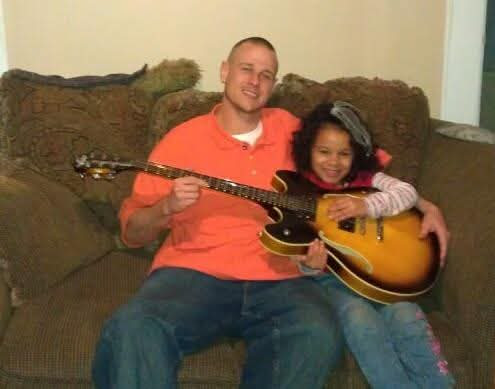
    Willow Cherry
    Willow Cherry in 2018

    Consider the story of Willow Bruce Cherry, a former U.S. Navy contractor who, after his career, sought solace in the tranquil waters of the Bahamas and the Caribbean. Aboard his cruising sailboat, Willow indulged in various substances, including alcohol, as a means to unwind and perhaps to escape lingering traumas. The clear waters and serene landscapes provided a picturesque backdrop, but beneath the surface, a struggle was brewing.

    In 2018, Willow faced significant legal challenges, including an indictment related to the disappearance and presumed death of his brother-in-law, Peter Lian. The case, which garnered media attention, highlighted the complexities of Willow’s personal life and the potential impact of substance use on his actions and decisions.

    Kentucky Herald Leader: His body wasn’t found. Now his brother-in-law is charged with murder.

    Amidst these challenges, Willow’s wife, Misty Feltner, stood by him. Their relationship, tested by legal battles and personal struggles, eventually saw changes, with Misty reverting to her maiden name, Feltner. The couple’s journey underscores the profound impact that personal and legal challenges can have on relationships and individual identities.

    The Role of Step One in Willow’s Recovery

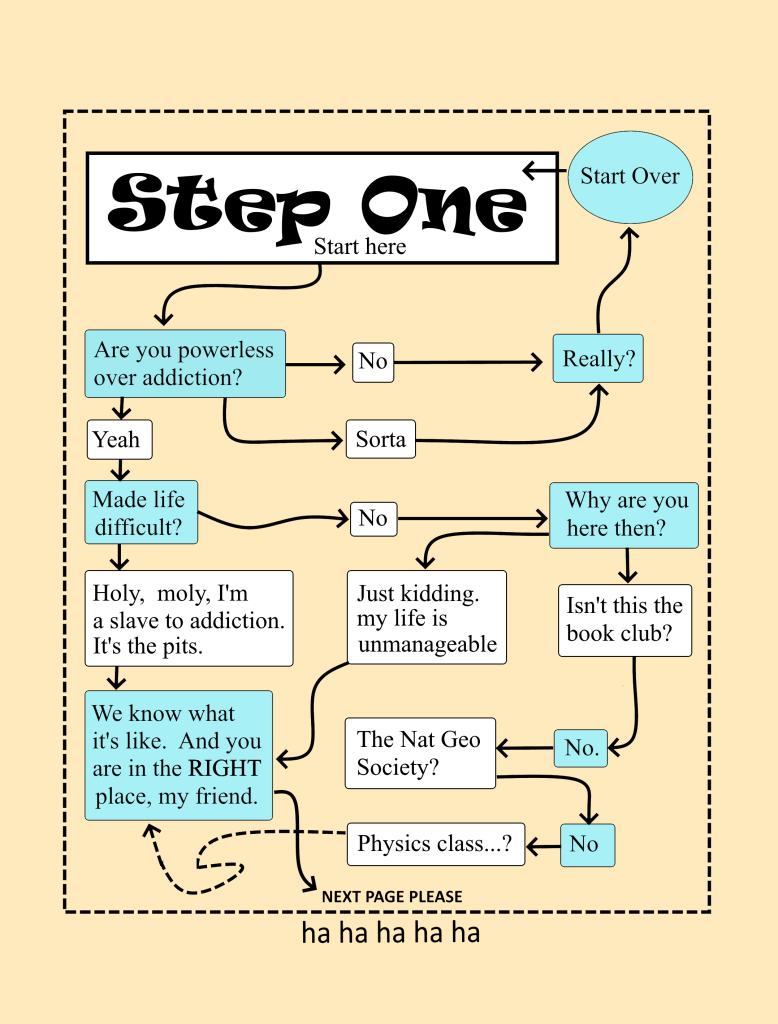
    Worksheets #1 and #5: These are examples of a coloring page and the author’s poor sense of humor.
    Outside-the-Box Recovery STEP ONE | Kim Rosenthal, MD

    Facing the unmanageability of his life, Willow turned to Alcoholics Anonymous. Residing at The Commitment House Recovery in Elizabethtown, Kentucky, he began his earnest journey through the Twelve Steps. Under the guidance of his sponsor, David Browne—a testament to the success of the program, having achieved recovery years prior—Willow embraced Step One.

    David-Browne
    David Browne on Facebook

    David Browne’s own journey through recovery provided a source of inspiration and guidance for Willow. Having navigated the challenges of addiction and emerged successful, David’s mentorship was instrumental in Willow’s acceptance of his powerlessness over substances and the unmanageability of his life.

    This step was not entirely new to Willow; he had previously graduated from a recovery program on October 1, 2018, and had been working through the Twelfth Step with his original sponsor in Cincinnati, Ohio. His commitment to the program was further evidenced by his support for three newer clients who had not yet completed the steps, embodying the spirit of service and community that AA fosters.

    Kentucky and Indiana Addiction and Substance Abuse Treatment
Where Treatment Meets Recovery

Who We Are
Our mission is to provide person-centered Addiction Treatment that instills the tools to maintain long-term sobriety by changing the way people live and think.

The Commitment House is an alcohol rehab and drug treatment center specializing in substance abuse, alcoholism, dual-diagnosis and addiction recovery. We believe that one of the most vital functions of our alcohol rehab and drug rehab program is the care planning; it is the individual’s road map to recovery.

Contact Us

How We Can Help
Services We Provide


Holistic, Person-Centered Treatment
Detox with Residential Treatment
Residential Transitional
Partial Hospitalization Program (PHP)
Intensive Outpatient Program (IOP)
Outpatient Program (OP)
"They really go the extra mile to help anyone suffering from the disease of addiction."
- Rod J.
Your Future Awaits
Begin Treatment Today
Our mission is to provide a person-centered program that instills the tools to maintain long-term sobriety; by changing the way people live and think.
Contact Us
24/7 @ (270) 900-0373
Call US today to see if we are in-network with your insurance provider!
We accept most insurance providers! Contact us to check your insurance today.  To ensure our residential treatment services are accessible to patients lacking healthcare coverage, we offer self-pay options and will help you get signed-up for insurance if you need it.


The Commitment House ASAM Logo
The Commitment House CARF Logo
The Commitment House BBB Logo
The Commitment House BHSO Logo
Testimonials
We Can Help You Find A Way Through
    Kentucky and Indiana Addiction and Substance Abuse Treatment
    Where Treatment Meets Recovery

    Who they Are
    Our mission is to provide person-centered Addiction Treatment that instills the tools to maintain long-term sobriety by changing the way people live and think.

    The Commitment House is an alcohol rehab and drug treatment center specializing in substance abuse, alcoholism, dual-diagnosis and addiction recovery. We believe that one of the most vital functions of our alcohol rehab and drug rehab program is the care planning; it is the individual’s road map to recovery.

    Holistic, Person-Centered Treatment

    Detox with Residential Treatment
    Residential Transitional
    Partial Hospitalization Program (PHP)
    Intensive Outpatient Program (IOP)
    Outpatient Program (OP)

    “They really go the extra mile to help anyone suffering from the disease of addiction.”
    – Rod J.

    Our mission is to provide a person-centered program that instills the tools to maintain long-term sobriety; by changing the way people live and think.
    Contact Us : 24/7 @ (270) 900-0373
    Call US today to see if we are in-network with your insurance provider!
    We accept most insurance providers! Contact us to check your insurance today. To ensure our residential treatment services are accessible to patients lacking healthcare coverage, we offer self-pay options and will help you get signed-up for insurance if you need it.

    The Philosophical Underpinnings of Step One

    Portrait of an elderly man with a long beard sitting on outdoor stone steps.

    Step One is deeply rooted in the principles of the Oxford Group, a Christian fellowship founded in the early 20th century that emphasized personal transformation through self-examination, acknowledgment of shortcomings, restitution, and service to others. AA co-founders Bill Wilson and Dr. Bob Smith drew inspiration from these principles, adapting them into a secular framework to address alcoholism.

    The acknowledgment of powerlessness is a profound act of humility and self-awareness. It requires individuals to confront the reality that their willpower alone is insufficient to overcome their addiction. This admission paves the way for openness to external help, be it through a higher power, community support, or therapeutic interventions.

    AA’s Global Impact and Contemporary Relevance

    Captivating water ripples in abstract blue tones, perfect for artistic backgrounds.

    Since its inception in 1935, Alcoholics Anonymous has grown into a worldwide fellowship, with millions of members across diverse cultures and societies. Its Twelve-Step program has been adapted to address various forms of addiction beyond alcohol, including narcotics, gambling, and overeating.

    The universality of Step One lies in its applicability to any situation where individuals find themselves ensnared by behaviors or substances that render their lives unmanageable. In today’s world, where substance use is prevalent, and the lines between casual use and dependency can blur, the principles of AA offer a timeless framework for self-examination and recovery.

    The Commitment House Recovery and Its Role in Willow’s Journey

    The Commitment House Recovery and Its Role in Willow's Journey
    The Commitment House Recovery and Its Role in Willow’s Journey

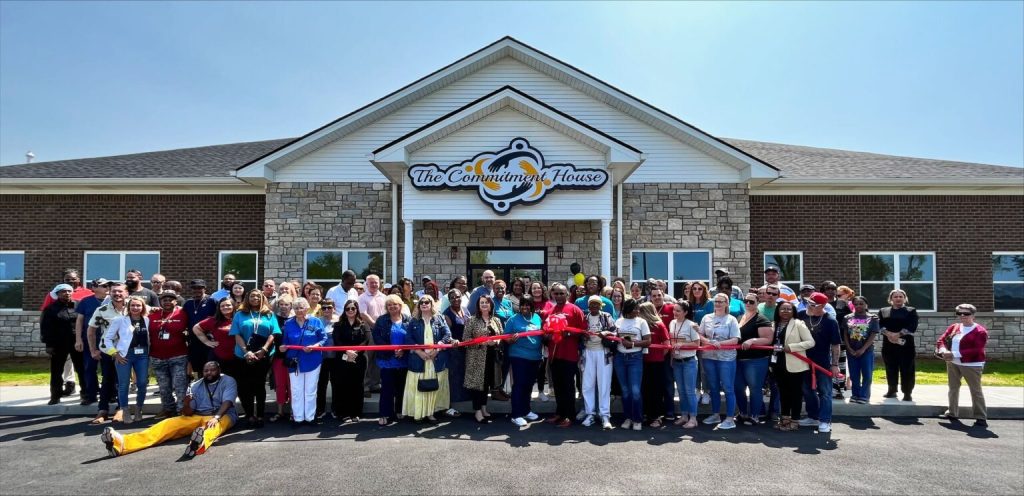
    The Commitment House Recovery in Elizabethtown, Kentucky, has been a cornerstone in Willow’s path to sobriety. Founded with the mission to provide comprehensive recovery services, the facility offers a structured environment where individuals can work through the Twelve Steps with the support of experienced sponsors and a compassionate community.

    David Browne, now serving as Willow’s sponsor, brings a wealth of experience and empathy to his role. Having traversed the arduous path of addiction and emerged victorious, David embodies the success that The Commitment House aims to facilitate for all its clients.

    The Interplay Between Steps One and Twelve

    Professional meeting with two men shaking hands and a woman with a coffee cup in an office.

    While Step One focuses on personal acknowledgment of powerlessness and unmanageability, Step Twelve emphasizes service to others:

    “Having had a spiritual awakening as the result of these steps, we tried to carry this message to alcoholics, and to practice these principles in all our affairs.”

    Willow’s dedication to supporting newer clients who have not yet completed the steps exemplifies the symbiotic relationship between personal recovery and community service. By guiding others, he reinforces his own commitment to sobriety and contributes to the perpetuation of AA’s foundational principles.

    Conclusion

    The journey from casual substance use to acknowledging powerlessness is deeply personal and often fraught with challenges. Alcoholics Anonymous, through its Twelve Steps, offers a structured and compassionate pathway toward recovery.