In the “Systemic Self-Mastery” framework, Step 4 is the diagnostic phase. You cannot patch a bug you haven’t identified. The “Fearless Moral Inventory” is simply a root logs analysis of your own operating system.
The Recovery Dynamics model teaches us that resentments are “memory leaks” that drain your processing power. If you are operating on a corrupted kernel of fear and anger, the system will eventually crash (relapse). This Step 4 Inventory Guide treats the process not as a religious confession, but as a necessary technical audit.
This step might seem daunting at first. It compels us to take a deep, honest look at our past mistakes and shortcomings. But within this unflinching self-reflection lies the potential for immense growth.
A Story of Self-Discovery: Unearthing the Roots
Imagine Emily, a successful lawyer who has struggled with alcoholism for years. Through the AA program, she’s made significant progress. But a nagging sense of unease persists. She feels a block in her recovery, a lingering shame that keeps her from true peace.
At a meeting, Emily shares her struggles with her sponsor, Sarah. Sarah, with gentle wisdom, suggests taking a deep dive into Step 4. She explains that by honestly examining our past actions and their impact, we can begin to understand the root causes of our addiction and move towards healing.
Emily hesitates. Confronting her past is a terrifying prospect. But with Sarah’s support, she embarks on the journey of Step 4. She meticulously writes down her resentments, fears, and character defects. As she delves deeper, she uncovers a web of negative emotions – guilt over broken relationships, anger towards past decisions, and a deep-seated fear of failure.
The process is painful, but with each honest reflection, Emily feels a burden lift. She begins to see the connection between her past and her addiction. This newfound self-awareness empowers her to forgive herself and others, and to approach the future with a newfound sense of clarity and purpose.
Step 4 and the Culture of Self-Awareness
In today’s world, the concept of self-reflection is gaining increasing traction. Mindfulness practices, therapy, and personal development movements all emphasize the importance of understanding ourselves. Step 4 of AA aligns perfectly with this growing trend.
By taking a fearless moral inventory, we:
Cultivate self-awareness: Step 4 compels us to confront our shadow selves, the hidden aspects of our personalities that contribute to negative behaviors. This self-awareness is crucial for lasting change.
Promote emotional healing: By acknowledging past hurts and resentments, we can begin to process and release them, paving the way for emotional healing.
Build stronger relationships: Step 4 helps us identify character defects that might be harming our relationships. By addressing these defects, we can build healthier and more fulfilling connections with others.
The Big Book and the Philosophical Exploration of Step 4
The Big Book of Alcoholics Anonymous offers a wealth of wisdom on Step 4. It emphasizes the importance of honesty, thoroughness, and fearlessness in conducting our moral inventory. It also assures us that this process is not about self-flagellation, but about self-discovery and growth.
The Big Book suggests that a higher power can guide us through this challenging step. By surrendering to this power, we can gain the strength and courage to face our past with honesty and compassion.
Taking the Next Step: A Path to Freedom
Step 4 of AA is an invitation to embark on a journey of self-discovery. It’s a path fraught with challenges, but ultimately, it leads to a deeper understanding of ourselves and the freedom to move forward with a lighter heart.
At Willowcherry.us, we invite you to explore the wisdom of AA and embark on your own journey of healing. Remember, you are not alone. There is hope, and there is help available.
On the road to recovery in Alcoholics Anonymous (AA), Step 3 marks a significant turning point. It’s where the rubber meets the road, so to speak. Here at Willowcherry.us, we delve into the essence of Step 3: “Made a decision to turn our will and our lives over to the care of God as we understood Him.”
This step can be a source of both trepidation and liberation. It compels us to relinquish control and embrace a power greater than ourselves. But within this surrender lies the potential for profound transformation.
A Story of Surrender: From Fear to Freedom
Imagine David, a talented musician whose alcoholism has threatened to silence his music forever. Despite attending meetings and working Step 2, David continues to struggle with intrusive thoughts and cravings. He feels powerless against the relentless grip of addiction.
One night, at a particularly low point, David confides in his sponsor, a seasoned AA member named Michael. Michael listens patiently and then shares his experience with Step 3.
Michael explains that Step 3 isn’t about blind obedience or religious dogma. It’s about making a conscious decision to surrender the reins – to let go of the illusion of control and trust in a higher power, however we understand it.
David hesitates. Letting go feels risky, even terrifying. But with Michael’s guidance, he begins to see surrender not as weakness, but as a form of strength. It’s about acknowledging his limitations and embracing the possibility of a life beyond addiction.
As David takes Step 3, a sense of peace washes over him. He starts to experience a newfound willingness to trust the process, to believe that something greater is at work in his life. This newfound surrender empowers him to focus on his recovery journey, one day at a time.
The Power of Surrender in a Self-Reliant World
In today’s society, we often equate success with self-reliance and control. We’re bombarded with messages telling us to “hustle harder” and “be our own boss.” But Step 3 of AA offers a powerful counterpoint.
Surrender, as envisioned in Step 3, isn’t about giving up. It’s about acknowledging the limitations of the ego and embracing the possibility of something greater guiding us. It’s about letting go of the need to control every aspect of our lives and opening ourselves to the possibility of transformation.
This concept resonates with many of today’s most pressing issues:
Mental health: The act of surrender in Step 3 aligns with the growing emphasis on self-compassion and vulnerability in mental health treatment. By letting go of self-blame and shame, we create space for healing.
Burnout: In our fast-paced world, Step 3 serves as a reminder of the importance of rest and letting go. By surrendering to a higher power, we can release the burden of control and find peace.
Social justice: The concept of surrender in Step 3 can inspire us to connect with something larger than ourselves and work towards a more just and equitable world.
The Big Book and the Philosophical Exploration of Step 3
The Big Book of Alcoholics Anonymous offers a nuanced perspective on Step 3. It emphasizes that the “higher power” can manifest differently for each individual. It could be a connection to a spiritual tradition, a sense of awe inspired by nature, or the supportive community of AA itself.
The key is to find something that transcends the self and offers a sense of hope, guidance, and strength on the path to recovery.
Taking the Next Step: A Journey of Hope
Step 3 of AA is a powerful invitation to surrender and trust. It’s not about weakness; it’s about embracing the possibility of a life beyond addiction. By letting go of control and connecting with a higher power, we open ourselves to the transformative power of recovery.
At Willowcherry.us, we invite you to explore the wisdom of AA and embark on your own journey of healing. Remember, you are not alone. There is hope, and there is help available…
At Willowcherry.us, we believe in the transformative power of Alcoholics Anonymous (AA). This powerful program has helped countless individuals overcome addiction and find lasting recovery. As we explore the core principles of AA, today, we’re delving into Step 2: “Came to believe that a power greater than ourselves could restore us to sanity.”
Step 2 might seem daunting at first, particularly in today’s world that often emphasizes self-sufficiency and control. But within this step lies a profound truth – a truth that transcends religion or dogma and speaks to the very core of human experience.
A Story of Acceptance: From Rock Bottom to Redemption
Imagine Sarah, a high-powered executive who has battled alcoholism for years. Her addiction has chipped away at her relationships, her career, and her sense of self. One night, after a public humiliation, Sarah finds herself at rock bottom. Filled with despair, she contemplates ending it all.
But then, a glimmer of hope emerges. A friend reaches out, inviting her to an AA meeting. Hesitantly, Sarah attends. There, she hears stories of transformation, of individuals who have found freedom from the shackles of addiction. She is particularly struck by a man named John, who shares his own experience with Step 2.
John speaks of his lifelong struggle with alcohol and the moment of surrender that became a turning point. He describes a realization – that he was powerless over alcohol and that true recovery required a force beyond himself. This concept resonated deeply with Sarah.
As Sarah continues attending meetings and working the AA program, she begins to understand the true essence of Step 2. It’s not about subscribing to a specific religion; it’s about acknowledging the limitations of the ego and embracing the possibility of a higher power – a power that can guide her on the path to recovery.
The Power of Acceptance in a Chaotic World
In a world that often prizes control and achievement, Step 2 offers a radical yet liberating perspective. It compels us to acknowledge that we are not always in control. We are vulnerable to forces beyond our understanding, including the disease of addiction.
This concept might feel counterintuitive in today’s hustle culture. We are bombarded with messages telling us to “girl boss” our way to success and to achieve happiness through sheer willpower. But AA wisdom reminds us that true strength lies in acknowledging our limitations and surrendering to something greater.
This doesn’t mean passivity or resignation. It’s about accepting our current reality as a starting point for growth. By letting go of the illusion of complete control, we open ourselves to the possibility of transformation.
Finding Your Higher Power: A Philosophical Exploration
The concept of a “higher power” in Step 2 can be a source of confusion for some. It’s important to remember that AA is a program of spiritual principles, not a religious doctrine. The higher power can manifest differently for each individual.
For some, it might be a connection to a higher purpose, a sense of awe inspired by nature, or the collective wisdom of the AA community itself. The key is to find something that transcends the self and offers a sense of hope and guidance.
Step 2 and Today’s Hottest Topics
Step 2’s message of acceptance resonates with many of today’s most pressing issues. Here are a few examples:
Mental health: The emphasis on self-acceptance in Step 2 aligns with the growing conversation around mental health. By acknowledging our limitations and seeking help, we can start the journey towards healing.
Addiction recovery: Step 2 is a foundational principle in addiction recovery programs beyond AA. Recognizing the powerlessness over addiction is crucial for lasting change.
Social justice: The concept of a higher power can inspire us to connect with something larger than ourselves and work towards a more just and equitable world.
Conclusion: A Step Towards a Brighter Future
Step 2 of AA is not about blind faith or religious dogma. It’s about embracing the power of acceptance and surrendering to the possibility of something greater than ourselves. In a world that often feels chaotic and out of control, Step 2 offers a path towards hope, healing, and transformation.
At Willowcherry.us, we invite you to explore the wisdom of AA and embark on your own journey of recovery. Remember, you are not alone. There is hope, and there is help available.
What Is Powerlessness? Step One Of The 12-Steps Of Alcoholics Anonymous
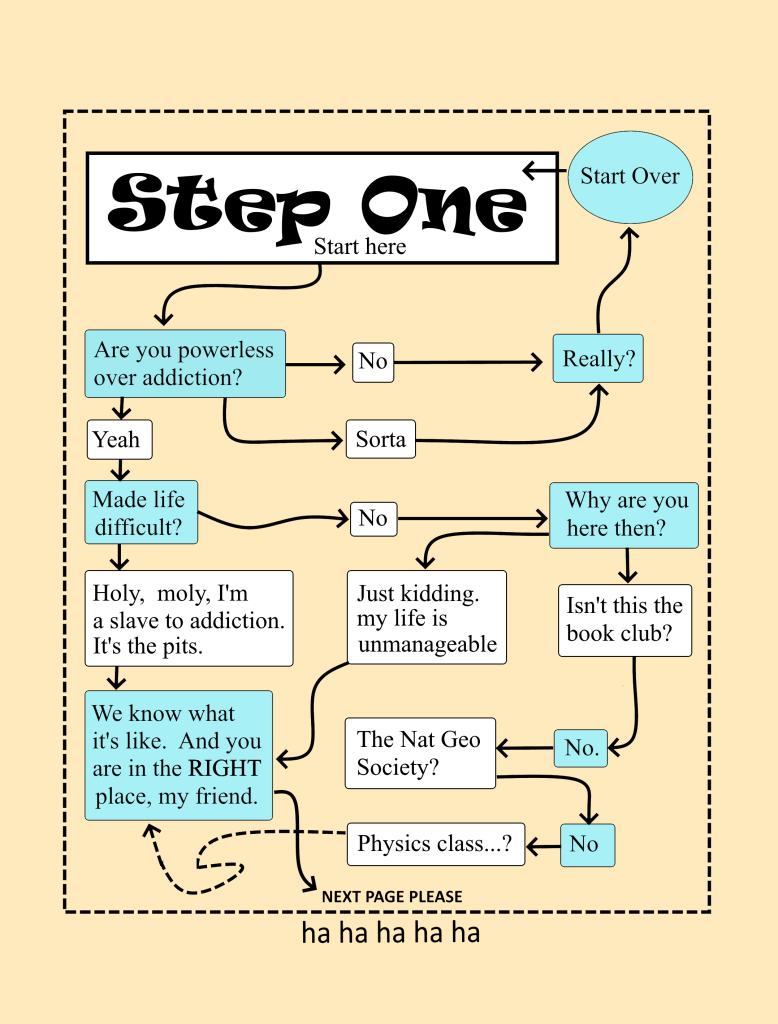
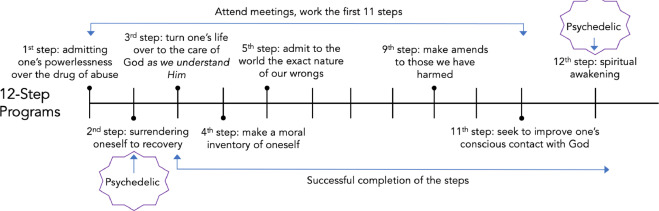
Alcoholics Anonymous (AA) has been a beacon of hope for countless individuals seeking recovery from addiction. The foundation of this transformative journey lies in its Twelve Steps, with Step One serving as the crucial starting point:
“We admitted we were powerless over alcohol—that our lives had become unmanageable.”
This admission is not merely about alcohol; it encompasses all substances that can lead to dependency and unmanageability in one’s life.
The Evolution from Casual Use to Dependency
Many individuals begin their relationship with substances casually—be it marijuana, cocaine, MDMA (Ecstasy), DMT, GHB, psilocybin mushrooms, or alcohol. These substances are often used recreationally, sometimes even with the belief that they can aid in coping with issues like PTSD. However, what starts as occasional use can insidiously evolve into dependency, leading to profound personal and interpersonal challenges.
A Personal Narrative: The Journey of Willow Cherry
Willow Cherry in 2018
Consider the story of Willow Bruce Cherry, a former U.S. Navy contractor who, after his career, sought solace in the tranquil waters of the Bahamas and the Caribbean. Aboard his cruising sailboat, Willow indulged in various substances, including alcohol, as a means to unwind and perhaps to escape lingering traumas. The clear waters and serene landscapes provided a picturesque backdrop, but beneath the surface, a struggle was brewing.
In 2018, Willow faced significant legal challenges, including an indictment related to the disappearance and presumed death of his brother-in-law, Peter Lian. The case, which garnered media attention, highlighted the complexities of Willow’s personal life and the potential impact of substance use on his actions and decisions.
Amidst these challenges, Willow’s wife, Misty Feltner, stood by him. Their relationship, tested by legal battles and personal struggles, eventually saw changes, with Misty reverting to her maiden name, Feltner. The couple’s journey underscores the profound impact that personal and legal challenges can have on relationships and individual identities.
The Role of Step One in Willow’s Recovery
Outside-the-Box Recovery STEP ONE | Kim Rosenthal, MD
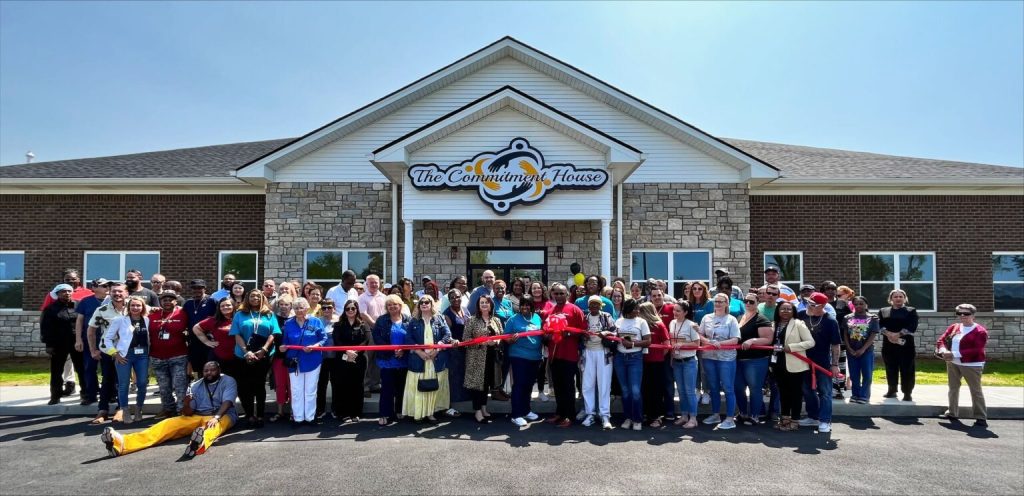
Facing the unmanageability of his life, Willow turned to Alcoholics Anonymous. Residing at The Commitment House Recovery in Elizabethtown, Kentucky, he began his earnest journey through the Twelve Steps. Under the guidance of his sponsor, David Browne—a testament to the success of the program, having achieved recovery years prior—Willow embraced Step One.
David Browne on Facebook
David Browne’s own journey through recovery provided a source of inspiration and guidance for Willow. Having navigated the challenges of addiction and emerged successful, David’s mentorship was instrumental in Willow’s acceptance of his powerlessness over substances and the unmanageability of his life.
This step was not entirely new to Willow; he had previously graduated from a recovery program on October 1, 2018, and had been working through the Twelfth Step with his original sponsor in Cincinnati, Ohio. His commitment to the program was further evidenced by his support for three newer clients who had not yet completed the steps, embodying the spirit of service and community that AA fosters.
Kentucky and Indiana Addiction and Substance Abuse Treatment Where Treatment Meets Recovery
Who they Are Our mission is to provide person-centered Addiction Treatment that instills the tools to maintain long-term sobriety by changing the way people live and think.
The Commitment House is an alcohol rehab and drug treatment center specializing in substance abuse, alcoholism, dual-diagnosis and addiction recovery. We believe that one of the most vital functions of our alcohol rehab and drug rehab program is the care planning; it is the individual’s road map to recovery.
Holistic, Person-Centered Treatment
Detox with Residential Treatment Residential Transitional Partial Hospitalization Program (PHP) Intensive Outpatient Program (IOP) Outpatient Program (OP)
“They really go the extra mile to help anyone suffering from the disease of addiction.” – Rod J.
Our mission is to provide a person-centered program that instills the tools to maintain long-term sobriety; by changing the way people live and think. Contact Us : 24/7 @ (270) 900-0373 Call US today to see if we are in-network with your insurance provider! We accept most insurance providers! Contact us to check your insurance today. To ensure our residential treatment services are accessible to patients lacking healthcare coverage, we offer self-pay options and will help you get signed-up for insurance if you need it.
The Philosophical Underpinnings of Step One
Step One is deeply rooted in the principles of the Oxford Group, a Christian fellowship founded in the early 20th century that emphasized personal transformation through self-examination, acknowledgment of shortcomings, restitution, and service to others. AA co-founders Bill Wilson and Dr. Bob Smith drew inspiration from these principles, adapting them into a secular framework to address alcoholism.
The acknowledgment of powerlessness is a profound act of humility and self-awareness. It requires individuals to confront the reality that their willpower alone is insufficient to overcome their addiction. This admission paves the way for openness to external help, be it through a higher power, community support, or therapeutic interventions.
AA’s Global Impact and Contemporary Relevance
Since its inception in 1935, Alcoholics Anonymous has grown into a worldwide fellowship, with millions of members across diverse cultures and societies. Its Twelve-Step program has been adapted to address various forms of addiction beyond alcohol, including narcotics, gambling, and overeating.
The universality of Step One lies in its applicability to any situation where individuals find themselves ensnared by behaviors or substances that render their lives unmanageable. In today’s world, where substance use is prevalent, and the lines between casual use and dependency can blur, the principles of AA offer a timeless framework for self-examination and recovery.
The Commitment House Recovery and Its Role in Willow’s Journey
The Commitment House Recovery and Its Role in Willow’s Journey
The Commitment House Recovery in Elizabethtown, Kentucky, has been a cornerstone in Willow’s path to sobriety. Founded with the mission to provide comprehensive recovery services, the facility offers a structured environment where individuals can work through the Twelve Steps with the support of experienced sponsors and a compassionate community.
David Browne, now serving as Willow’s sponsor, brings a wealth of experience and empathy to his role. Having traversed the arduous path of addiction and emerged victorious, David embodies the success that The Commitment House aims to facilitate for all its clients.
The Interplay Between Steps One and Twelve
While Step One focuses on personal acknowledgment of powerlessness and unmanageability, Step Twelve emphasizes service to others:
“Having had a spiritual awakening as the result of these steps, we tried to carry this message to alcoholics, and to practice these principles in all our affairs.”
Willow’s dedication to supporting newer clients who have not yet completed the steps exemplifies the symbiotic relationship between personal recovery and community service. By guiding others, he reinforces his own commitment to sobriety and contributes to the perpetuation of AA’s foundational principles.
Conclusion
The journey from casual substance use to acknowledging powerlessness is deeply personal and often fraught with challenges. Alcoholics Anonymous, through its Twelve Steps, offers a structured and compassionate pathway toward recovery.
When searching for effective Peer Support Kentucky networks, it is crucial to understand that recovery is not just about abstinence—it’s about debugging the operating system of the self. The following resources utilize the Recovery Dynamics model or similar evidence-based peer support structures to help you rebuild.
The Healing Place (Louisville & Campbellsville): A peer-driven model focusing on long-term behavioral change. System Type: Social Model Recovery.
Recovery Kentucky Centers: A statewide network of housing and recovery centers funded by the Kentucky Housing Corporation (KHC). Resource Link:Kentucky Housing Corporation
Isaiah House: Comprehensive treatment offering job training and peer support certification opportunities. Focus: Holistic Reintegration.
Operation UNITE: Providing vouchers and investigative support for those seeking treatment in the 5th Congressional District. Helpline: 1-866-908-6483
In traditional recovery, we talk about “people, places, and things.” But what if the most dangerous “place” is the 6-inch screen in your pocket? Modern Digital Addiction Recovery requires us to understand that social media algorithms are engineered to hijack the same dopamine pathways as opioids or alcohol.
For the Recovery Dynamics student, this is a “Runtime Error” in the brain’s reward system. We must debug the input (screen time) to stabilize the output (sobriety).
The Algorithm vs. The Addict
Substance Use Disorder (SUD) is often defined by the inability to stop a behavior despite negative consequences. In the context of Digital Addiction Recovery, the “substance” is not a chemical, but a variable reinforcement schedule delivered via notifications and infinite scrolls. Tech companies employ “Persuasive Design”—psychological triggers that mirror the anticipation phase of drug use.
For individuals in early recovery, this creates a dangerous cross-addiction. You may have put down the bottle, but if you are spending 8 hours a day doom-scrolling, your dopamine baseline remains dysregulated. The brain cannot distinguish between the “hit” of a like and the “hit” of a substance; it only registers the spike.
Debugging the Dopamine Loop: Practical Steps
To achieve digital sovereignty, we must apply the principles of harm reduction to our technology usage. Here are three “System Patches” to regain control:
1. Greyscale Mode (Visual Detox)
Turn your phone to “Greyscale” in the accessibility settings. By removing the vibrant colors (specifically red notification bubbles), you strip the device of its primary visual stimulant. This makes the phone a tool, not a toy.
2. The “Digital Interlock”
Just as an ignition interlock prevents a car from starting, app blockers like “Freedom” or “Opal” prevent access to high-dopamine apps during vulnerable hours. Automating willpower is a key strategy in forensic mitigation of risky behaviors.
3. The 24-Hour “Air Gap”
Institute a weekly “Digital Sabbath” where all devices are powered down. This hard reset allows your neurochemistry to stabilize, much like the initial detox phase in clinical treatment.
Recovery Dynamics in a Digital Age
The Kelly Foundation’s Recovery Dynamics model teaches that we must identify the “problem” before we can apply the “solution.” If we ignore the impact of digital overconsumption, we leave a backdoor open for relapse. Digital sobriety isn’t about rejecting technology; it’s about rewriting your user permissions so that you are the admin, not the algorithm.
Frequently Asked Questions About Digital Addiction
Is “Digital Addiction” a recognized Substance Use Disorder?
While not yet in the DSM-5 as a substance disorder, Digital Addiction Recovery treats screen dependency with the same clinical seriousness. It shares key markers with SUD: tolerance, withdrawal, and loss of control.
How does social media affect early recovery?
Social media triggers the brain’s reward system, releasing dopamine in unpredictable spikes. For someone in recovery, this can cause “Dopamine Exhaustion,” leading to irritability, depression, and higher susceptibility to relapse.
When navigating the landscape of MAT in Kentucky, it is crucial to view the “Hardware Patch” for addiction not as a moral failing, but as a system reset. In the “Systemic Self-Mastery” framework, we view Substance Use Disorder not as a moral failing, but as a biological “runtime error.” Medication-Assisted Treatment (MAT) acts as a hardware patch, stabilizing the neurochemistry so that the software work of Recovery Dynamics can begin.
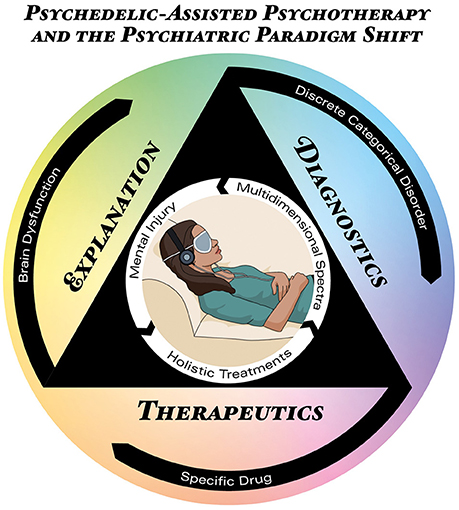
While emerging therapies like Ayahuasca garner headlines for their “system reset” potential, the current gold standard in Kentucky remains FDA-approved medications. Below, we separate the clinical facts from the stigma-driven fiction.
Ayahuasca is a plant-based psychedelic brew that has been used for centuries by indigenous people in the Amazon rainforest for spiritual and medicinal purposes. It is typically made by boiling the leaves of the Psychotria viridis shrub with the stems of the Banisteriopsis caapi vine. Ayahuasca contains DMT (dimethyltryptamine), a powerful hallucinogenic substance, as well as MAOIs (monoamine oxidase inhibitors).
There is growing interest in the potential therapeutic benefits of ayahuasca, with some studies suggesting it may be helpful in treating addiction, depression, and anxiety. However, ayahuasca use can be risky and should only be used under the supervision of a qualified shaman or healthcare professional.
Here is a list of drug treatments with high success rates for addiction:
Methadone
Buprenorphine
Naltrexone
Nicotine replacement therapy (NRT)
Bupropion
Varenicline
Disulfiram
Acamprosate
Psychotherapy treatments:
Cognitive behavioral therapy (CBT)
Motivational interviewing (MI)
It is important to note that ayahuasca and other psychedelic drugs are not a cure for addiction. However, they may be a helpful tool in the recovery process. If you are struggling with addiction, it is important to seek professional help.
Disclaimer
It is important to note that ayahuasca is illegal in many countries, including the United States. It is also important to consult with a healthcare professional before using any psychedelic substance.
While ayahuasca shows promise for addiction treatment, there are other established and legal options available. Please reach out to a medical professional for help with addiction.
In a capitalistic society, the focus is on profit and return on investment. This can lead to a system where treatment is prioritized over curing, as treatment often provides a more sustainable revenue stream.
There are a number of reasons for this. First, curing a disease can eliminate the need for ongoing treatment, which can be a major source of revenue for pharmaceutical companies and healthcare providers. Second, developing a cure can be a very expensive and risky proposition. There is no guarantee that a cure will be successful, and even if it is, it may take many years to develop and bring to market. Finally, there is often more money to be made from treating a disease than from curing it. This is because treatment is often an ongoing process, while a cure is a one-time event.
This focus on treatment over curing can have a number of negative consequences. It can lead to the development of treatments that are expensive and ineffective, and it can prevent the development of cures that could save lives. It can also lead to a system where people are treated as patients rather than as people, and where their health is seen as a commodity rather than as a human right.
There are a number of things that can be done to address this problem. One is to increase investment in research and development of cures. This can be done through government funding, private philanthropy, and other means. Another is to create a more competitive market for healthcare products and services. This can be done by reducing barriers to entry for new companies and by increasing transparency about pricing and quality. Finally, we need to have a conversation about what kind of healthcare system we want. Do we want a system that is focused on profit and treatment, or do we want a system that is focused on curing disease and improving human health?
I hope this blog post has been helpful. If you have any questions, please feel free to leave a comment below.
The ethical implications of prioritizing treatment over curing
The impact of this issue on different groups of people
I would also like to add that this is a complex issue with no easy answers. There are many different perspectives on this topic, and it is important to consider all of them before forming an opinion.
Thank you for reading!Frequently Asked Questions About MAT in Kentucky
Is MAT just trading one addiction for another?
No. MAT in Kentucky is designed to break the cycle of intoxication and withdrawal. Medications like Buprenorphine stabilize brain chemistry, allowing individuals to function, hold employment, and engage in peer support without the “high” of illicit substances.
What is the difference between Methadone and Suboxone?
Methadone is a full opioid agonist primarily dispensed in clinics, while Suboxone (Buprenorphine) is a partial agonist often prescribed by office-based physicians. Both are critical tools in the Recovery Dynamics toolkit.