In traditional recovery, we talk about “people, places, and things.” But what if the most dangerous “place” is the 6-inch screen in your pocket? Modern Digital Addiction Recovery requires us to understand that social media algorithms are engineered to hijack the same dopamine pathways as opioids or alcohol.
For the Recovery Dynamics student, this is a “Runtime Error” in the brain’s reward system. We must debug the input (screen time) to stabilize the output (sobriety).
The Algorithm vs. The Addict
Substance Use Disorder (SUD) is often defined by the inability to stop a behavior despite negative consequences. In the context of Digital Addiction Recovery, the “substance” is not a chemical, but a variable reinforcement schedule delivered via notifications and infinite scrolls. Tech companies employ “Persuasive Design”—psychological triggers that mirror the anticipation phase of drug use.
For individuals in early recovery, this creates a dangerous cross-addiction. You may have put down the bottle, but if you are spending 8 hours a day doom-scrolling, your dopamine baseline remains dysregulated. The brain cannot distinguish between the “hit” of a like and the “hit” of a substance; it only registers the spike.
Debugging the Dopamine Loop: Practical Steps
To achieve digital sovereignty, we must apply the principles of harm reduction to our technology usage. Here are three “System Patches” to regain control:
1. Greyscale Mode (Visual Detox)
Turn your phone to “Greyscale” in the accessibility settings. By removing the vibrant colors (specifically red notification bubbles), you strip the device of its primary visual stimulant. This makes the phone a tool, not a toy.
2. The “Digital Interlock”
Just as an ignition interlock prevents a car from starting, app blockers like “Freedom” or “Opal” prevent access to high-dopamine apps during vulnerable hours. Automating willpower is a key strategy in forensic mitigation of risky behaviors.
3. The 24-Hour “Air Gap”
Institute a weekly “Digital Sabbath” where all devices are powered down. This hard reset allows your neurochemistry to stabilize, much like the initial detox phase in clinical treatment.
Recovery Dynamics in a Digital Age
The Kelly Foundation’s Recovery Dynamics model teaches that we must identify the “problem” before we can apply the “solution.” If we ignore the impact of digital overconsumption, we leave a backdoor open for relapse. Digital sobriety isn’t about rejecting technology; it’s about rewriting your user permissions so that you are the admin, not the algorithm.
Frequently Asked Questions About Digital Addiction
Is “Digital Addiction” a recognized Substance Use Disorder?
While not yet in the DSM-5 as a substance disorder, Digital Addiction Recovery treats screen dependency with the same clinical seriousness. It shares key markers with SUD: tolerance, withdrawal, and loss of control.
How does social media affect early recovery?
Social media triggers the brain’s reward system, releasing dopamine in unpredictable spikes. For someone in recovery, this can cause “Dopamine Exhaustion,” leading to irritability, depression, and higher susceptibility to relapse.
When navigating the landscape of MAT in Kentucky, it is crucial to view the “Hardware Patch” for addiction not as a moral failing, but as a system reset. In the “Systemic Self-Mastery” framework, we view Substance Use Disorder not as a moral failing, but as a biological “runtime error.” Medication-Assisted Treatment (MAT) acts as a hardware patch, stabilizing the neurochemistry so that the software work of Recovery Dynamics can begin.
While emerging therapies like Ayahuasca garner headlines for their “system reset” potential, the current gold standard in Kentucky remains FDA-approved medications. Below, we separate the clinical facts from the stigma-driven fiction.
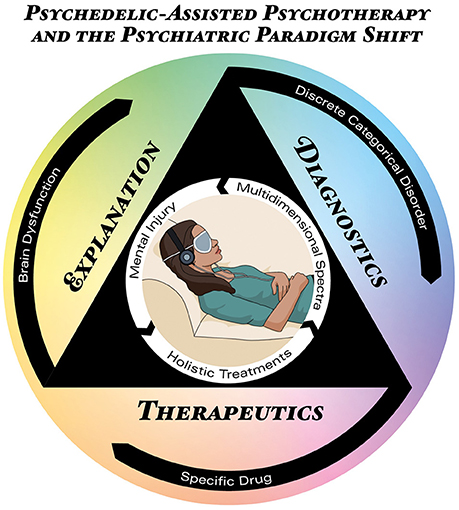
Ayahuasca is a plant-based psychedelic brew that has been used for centuries by indigenous people in the Amazon rainforest for spiritual and medicinal purposes. It is typically made by boiling the leaves of the Psychotria viridis shrub with the stems of the Banisteriopsis caapi vine. Ayahuasca contains DMT (dimethyltryptamine), a powerful hallucinogenic substance, as well as MAOIs (monoamine oxidase inhibitors).
There is growing interest in the potential therapeutic benefits of ayahuasca, with some studies suggesting it may be helpful in treating addiction, depression, and anxiety. However, ayahuasca use can be risky and should only be used under the supervision of a qualified shaman or healthcare professional.
Here is a list of drug treatments with high success rates for addiction:
Methadone
Buprenorphine
Naltrexone
Nicotine replacement therapy (NRT)
Bupropion
Varenicline
Disulfiram
Acamprosate
Psychotherapy treatments:
Cognitive behavioral therapy (CBT)
Motivational interviewing (MI)
It is important to note that ayahuasca and other psychedelic drugs are not a cure for addiction. However, they may be a helpful tool in the recovery process. If you are struggling with addiction, it is important to seek professional help.
Disclaimer
It is important to note that ayahuasca is illegal in many countries, including the United States. It is also important to consult with a healthcare professional before using any psychedelic substance.
While ayahuasca shows promise for addiction treatment, there are other established and legal options available. Please reach out to a medical professional for help with addiction.
In a capitalistic society, the focus is on profit and return on investment. This can lead to a system where treatment is prioritized over curing, as treatment often provides a more sustainable revenue stream.
There are a number of reasons for this. First, curing a disease can eliminate the need for ongoing treatment, which can be a major source of revenue for pharmaceutical companies and healthcare providers. Second, developing a cure can be a very expensive and risky proposition. There is no guarantee that a cure will be successful, and even if it is, it may take many years to develop and bring to market. Finally, there is often more money to be made from treating a disease than from curing it. This is because treatment is often an ongoing process, while a cure is a one-time event.
This focus on treatment over curing can have a number of negative consequences. It can lead to the development of treatments that are expensive and ineffective, and it can prevent the development of cures that could save lives. It can also lead to a system where people are treated as patients rather than as people, and where their health is seen as a commodity rather than as a human right.
There are a number of things that can be done to address this problem. One is to increase investment in research and development of cures. This can be done through government funding, private philanthropy, and other means. Another is to create a more competitive market for healthcare products and services. This can be done by reducing barriers to entry for new companies and by increasing transparency about pricing and quality. Finally, we need to have a conversation about what kind of healthcare system we want. Do we want a system that is focused on profit and treatment, or do we want a system that is focused on curing disease and improving human health?
I hope this blog post has been helpful. If you have any questions, please feel free to leave a comment below.
The ethical implications of prioritizing treatment over curing
The impact of this issue on different groups of people
I would also like to add that this is a complex issue with no easy answers. There are many different perspectives on this topic, and it is important to consider all of them before forming an opinion.
Thank you for reading!Frequently Asked Questions About MAT in Kentucky
Is MAT just trading one addiction for another?
No. MAT in Kentucky is designed to break the cycle of intoxication and withdrawal. Medications like Buprenorphine stabilize brain chemistry, allowing individuals to function, hold employment, and engage in peer support without the “high” of illicit substances.
What is the difference between Methadone and Suboxone?
Methadone is a full opioid agonist primarily dispensed in clinics, while Suboxone (Buprenorphine) is a partial agonist often prescribed by office-based physicians. Both are critical tools in the Recovery Dynamics toolkit.
In the heart of Kentucky, a tale of justice delayed unfolds, intertwining the life of Willow Bruce Cherry—a once-prominent businessman and community asset—with a protracted legal battle that has spanned over six years.
The Allegation and Legal Proceedings
In August 2018, Willow Bruce Cherry was indicted for the murder of his brother-in-law, Peter Lian, who had been reported missing earlier that year. Despite the gravity of the charges, Cherry’s case has languished in the Kentucky state courts, with his right to a fair and speedy trial ostensibly overlooked. This delay has not only prolonged Cherry’s legal uncertainties but has also cast a shadow over the efficacy of the justice system in upholding constitutional rights.
Exposing Injustice: Despite the state’s claims of incompetency, watch as the judge acknowledges the defendant’s competency in this powerful video. This key moment sheds light on the contradictions in the case, highlighting the false accusations that have led to years of wrongful incarceration. #Innocence #Justice #LegalReform #WrongfulIncarceration #FalseClaims
A Pillar of the Community
Before these allegations, Cherry was a respected figure in Lexington, Kentucky. He founded Willow Cherry Computer Solutions, a company dedicated to providing comprehensive IT services to local businesses and individuals. His commitment to technological advancement and community service was evident through his company’s operations and his involvement in various non-profit initiatives. Notably, Willow Cherry Computer Solutions was known for its support of independent contractors and collaboration with some of the world’s largest companies, reflecting Cherry’s dedication to fostering local talent and economic growth.
The extended pre-trial incarceration has had profound effects on Cherry’s life. Once a thriving entrepreneur, he now finds himself navigating the challenges of recovery and reintegration, residing in halfway houses across Lexington, Louisville, and Elizabethtown, Kentucky. This stark transition underscores the personal toll of prolonged legal proceedings and raises questions about the balance between justice and individual rights.
Philosophical Reflections on Justice
Cherry’s ordeal invites deeper reflection on the philosophical underpinnings of justice. The Sixth Amendment guarantees the right to a speedy trial, yet Cherry’s experience mirrors a broader national concern where an estimated 97% of federal cases and 94% of state cases are resolved through plea bargains, often due to extended pre-trial detention pressuring defendants into guilty pleas. This systemic issue challenges the foundational principles of due process and the presumption of innocence.
A Call for Restitution
In light of these circumstances, there is a compelling argument that the state should provide restitution to Cherry for the years lost and the opportunities forgone due to the protracted legal process. Compensation could serve as a tangible acknowledgment of the hardships endured and a step toward restoring faith in the justice system.
Visual Journey
To further illustrate this narrative, here are some images and videos that encapsulate Cherry’s journey:
Willow Cherry Computer Solutions
A glimpse into the office space of Willow Cherry’s once-thriving IT business in Lexington, KY.
Fayette County Courthouse
The courthouse where Cherry’s prolonged legal battles have taken place.
Robert F. Stephens Courthouse Complex Circuit Courthouse – Sherman Carter Barnhart
Halfway House in Lexington
One of the facilities where Cherry has resided during his recovery and reintegration process.
Advocacy for Fair Trials
A video highlighting community efforts advocating for the right to a speedy trial in Kentucky.
Community Engagement
An image showcasing Cherry’s involvement in local community events prior to his legal challenges.
Conclusion
Willow Bruce Cherry’s experience serves as a poignant case study in the complexities of the American legal system, highlighting the human cost of delayed justice. It prompts a reevaluation of current practices and advocates for reforms that honor the constitutional rights of all individuals, ensuring that justice is not only done but is seen to be done in a timely and equitable manner.
Systemic Analysis: The ” Indefinite Loop” Bug
In computer science, an “infinite loop” causes a program to freeze, rendering it useless. The Presumption of Innocence faces a similar threat in the modern legal system. When pre-trial motions and administrative delays stretch into years (a “Speedy Trial” violation), the defendant is effectively serving a sentence before a verdict is ever rendered.
This is not just a personal grievance; it is a structural flaw—a “runtime error” in the code of the Constitution. By documenting this 2,000-day timeline, we are not asking for pity; we are submitting a bug report to the public record.
The current punitive sentencing model in Kentucky operates like a “Format C:” command. When a user (defendant) encounters a critical error, the system’s default response is to wipe the drive—incarceration—rather than attempt to patch the code.
A “Debugging” Alternative: Restorative Justice
Restorative Justice is the systems engineer’s approach to criminal reform. Instead of deletion, it asks:
Root Cause Analysis: What inputs (trauma, poverty, addiction) caused the runtime error?
Patch Deployment: How can the offender “repair” the harm to the victim (the system) without being destroyed?
System Stability: How do we prevent the crash from recurring?
For the Willow Cherry Justice Initiative, reform isn’t just about “mercy”; it’s about efficiency. A system that deletes its users is a broken system.
For more on the causes of these systemic issues and how we can push for reform, visit Willow Cherry’s blog.
For additional insights into innocence and justice reform, check these resources:
System Comparison: Punitive vs. Restorative Models
In the context of Restorative Justice KY, we must evaluate the efficiency of our current operating system. Does the output justify the input?
Metric
Punitive Sentencing (Legacy System)
Restorative Justice (Patched System)
Goal
Inflict pain/detention (Delete Data)
Repair harm/reintegration (Recover Data)
View of Crime
Violation of Law (Syntax Error)
Violation of People/Relationships (Network Failure)
Outcome
High Recidivism (System Crash Loop)
Accountability & Closure (System Stability)
Frequently Asked Questions
Is Restorative Justice soft on crime?
No. Restorative Justice is actually more demanding. It requires the offender to face the victims and actively work to repair the harm, rather than passively sitting in a cell. It is “active debugging” versus “passive isolation.”
This Sober Living Business Plan outlines the operational blueprint for foundNation, a sustainable recovery initiative designed for Southeast Kentucky. Unlike traditional halfway houses, this model integrates real-time data tracking with compassionate peer support to reduce the “Runtime Error” of relapse.
1. Executive Summary
Mission: To provide safe, supportive, and structured sober living environments that empower individuals to achieve long-term recovery from addiction.
Vision: A world where sustainable recovery is accessible to all, fostering healthier communities.
Values: Compassion, integrity, accountability, community, and evidence-based practices.
Unique Selling Proposition:
Real-time data tracking and personalized recovery plans.
Integration of technology for communication, support, and progress monitoring.
Focus on life skills development and vocational training.
Strong community partnerships for comprehensive support.
Financial Highlights: (Placeholder – To be filled with projections)
Seeking $650,000 to launch 2 homes in Southeast Kentucky.
Projected Estimated ROI: ($80,640 / $650,000) x 100% = 12.4% within the first year.
Sustainable revenue model through resident fees and potential grants/donations.
2. Company Description
FOUNDnATION is a non-profit organization committed to providing high-quality sober living services.
We believe in a holistic approach that addresses the physical, emotional, and social aspects of recovery.
Our homes offer a structured environment with clear guidelines, peer support, and access to resources.
We prioritize data-driven decision-making to ensure effectiveness and continuous improvement.
3. Market Analysis
Target Market: Individuals seeking a supportive environment to maintain sobriety after completing treatment programs.
Market Need:
High rates of relapse among individuals with substance use disorders.
Limited availability of affordable, quality sober living options.
Growing demand for evidence-based recovery support services.
Competitive Advantages:
Personalized recovery plans based on real-time data.
Technology integration for enhanced support and communication.
Focus on life skills development and vocational training.
Strong community partnerships for comprehensive resources.
4. Services Offered
Safe and Supportive Housing: Comfortable, well-maintained homes with 24/7 staff support.
Personalized Recovery Plans: Tailored to individual needs, goals, and progress, tracked in real-time.
Peer Support and Community: Fostering a sense of belonging and mutual accountability among residents.
Life Skills Development: Training in areas such as budgeting, job searching, and healthy relationships.
Vocational Training: Partnerships with local organizations to provide job skills and employment opportunities.
Case Management: Connecting residents with resources such as therapy, medical care, and legal assistance.
Aftercare Planning: Developing strategies for long-term sobriety and success.
5. Operations Plan
Location Strategy: Strategic placement of homes in accessible areas with proximity to resources.
Staffing: Hiring qualified, compassionate professionals with experience in addiction recovery.
Technology: Implementing software for data tracking, communication, and progress monitoring.
Partnerships: Collaborating with treatment centers, healthcare providers, and community organizations.
Quality Assurance: Regular evaluation of program effectiveness and resident satisfaction.
6. Financial Plan; Start-up Cost Projections:
Occupancy Rate: 80% (This accounts for vacancies and turnover)
Monthly Rent per Bed: $600 (This can vary widely depending on location and services offered)
Number of Beds per House: 10 (5 bedrooms with 2 beds per room)
This is a simplified model for illustrative purposes only. Real-world financials are much more complex.
Occupancy rates, rent, expenses, and inflation are estimates. Thorough market research is crucial.
Loan payments are hypothetical. You need a proper loan amortization schedule.
Major repairs and capital expenditures are not included. These can significantly impact your finances.
Sustainability Plan: Strategies for long-term financial stability and growth.
7. Management Team
Robert Hutchins & Willow Cherry: We have a blend of business acumen, interpersonal abilities, and a deep understanding of the recovery process.
Team Member Expertise: Communication is paramount. Collaboration, Problem-Solving, Critical Thinking, Time Management, Organization, Adaptability and Learning Agility, including Professionalism and Work Ethic.
Advisory Board: Professionals in Addiction Treatment, Recovery, Professionals in Addiction Treatment, and of course Legal Professionals.
8. Appendix
Market Research Data: Supporting evidence for the need for sober living services.
Financial Projections: Detailed financial statements and assumptions.
Letters of Support: Testimonials from community partners or individuals in recovery.
Organizational Chart: We have extensive access to personnel in the business and are highly adaptive and dynamic in our management and deployment of the most successfully accepted methods.
Real-Time Details and Adaptability
Data-Driven Decision Making: Implement systems to track resident progress, program effectiveness, and financial performance.
Key Performance Indicators (KPIs): Monitor metrics such as sobriety rates, employment rates, and housing stability.
Regular Reporting: Provide investors with transparent, up-to-date information on program outcomes and financials.
Continuous Improvement: Use data to refine programs, adjust strategies, and maximize impact.
Remember:
Our specific audience: The aspects most relevant to investors after ROI is helping the therapeutic community of our establishment.
We are obviously realistic and data-driven: If you can improve anything, we appreciate your input.
Social impact: The positive change our organization will create is therapeutic to any community.
We have the passion and expertise: Our commitment to the mission is as important as life itself and your ability to execute the plan is solid.
Frequently Asked Questions About the foundNation Model
What makes the foundNation Sober Living Business Plan unique?
Unlike traditional halfway houses, the foundNation Sober Living Business Plan integrates Recovery Dynamics and real-time data tracking. We view relapse as a “Runtime Error” that can be predicted and patched through algorithmic support and peer accountability.
What is the projected ROI for this recovery model?
Our financial projections indicate a 12.4% ROI within the first year of full occupancy. However, the true return is in “Human Capital”—restoring productive citizens to the Southeast Kentucky workforce through sustainable sobriety.
How does this model support digital sovereignty?
We believe in digital sovereignty for all residents. Our model includes training on secure communication and digital literacy, ensuring that recovering individuals can reintegrate into the modern economy without compromising their privacy.
The Sovereign Self: A Global Compendium of Recovery, Reintegration, and Digital Resistance
1. Introduction: The Convergence of Personal and Digital Sovereignty
In the contemporary geopolitical landscape, the concepts of personal recovery—liberation from substance use disorders—and digital refuge—liberation from state surveillance and oppression—have converged into a singular imperative: the reclamation of sovereignty. Whether an individual is navigating the labyrinthine corridors of the criminal justice system in the American South or evading digital authoritarianism in a repressive regime, the fundamental requirement remains the same: secure, trusted networks and the possession of verifiable, actionable intelligence. This report serves as a foundational master document, establishing an exhaustive, evergreen repository of resources designed to bridge the “Semantic Gap” between the historical legal record of the marginalized and the empowered future of the survivor and advocate.
The architecture of this report is bifurcated yet interconnected. On one side, it provides a granular, military-grade examination of digital security apparatuses—including the mechanics of The Onion Router (Tor), the amnesic properties of Tails OS, and the cryptographic standards of PGP—necessary for citizens “downed by their government” to establish digital sanctuaries. On the other side, it offers a comprehensive global directory of recovery and reentry frameworks, analyzing the cognitive-behavioral methodologies of the Kelly Foundation and Recovery Dynamics alongside international peer support networks. By synthesizing forensic advocacy with advanced cybersecurity protocols, this document aims to arm the user with ultimate link authority and the intellectual capital required to navigate both physical and digital hostility.1
2. The Architecture of Digital Refuge: Anti-Surveillance and Anonymity
For activists, whistleblowers, and populations re-entering society after incarceration, the digital footprint is a liability. The modern surveillance state leverages metadata—the “data about data”—to map associations, track movements, and suppress dissent. Therefore, establishing “Data Sovereignty,” defined as absolute control over the generation, storage, and transmission of one’s digital existence, is the prerequisite for all advocacy work.1
2.1. The Onion Router (Tor): Mechanics of the Digital Underground
Tor (The Onion Router) represents the gold standard for anonymizing internet traffic, essential for bypassing censorship firewalls and evading traffic analysis. Originally developed by the U.S. Naval Research Laboratory to protect government communications, the project has evolved into a global non-profit dedicated to human rights. Unlike standard browsing, where data travels directly from a client device to a server—exposing the user’s IP address and location—Tor routes traffic through a distributed, decentralized network of volunteer relays.4
2.1.1. The Three-Hop Circuit and Layered Encryption
The efficacy of Tor lies in its “Onion Routing” protocol, which wraps data in multiple layers of encryption. When a user connects to the Tor network, the software constructs a circuit consisting of three randomly selected nodes:
The Guard Node (Entry Relay): This is the entry point into the network. The Guard Node is the only relay that can see the user’s true IP address. However, because of the layered encryption, the Guard Node cannot see the data being sent or the final destination of the traffic. It knows who is connecting, but not what they are doing. Long-term “Guard Pinning” helps protect users from traffic correlation attacks.6
The Middle Relay: This node acts as a buffer between the entry and exit points. It receives encrypted data from the Guard Node and passes it to the Exit Node. Crucially, the Middle Relay knows neither the identity of the user nor the content of the request. It serves solely to obscure the path, unpeeling one layer of encryption before passing the packet forward.6
The Exit Node: The final relay in the circuit peels off the last layer of encryption and delivers the request to the destination server (e.g., a news website or a whistleblower portal). The Exit Node sees the destination and the content (unless the site uses HTTPS), but it does not know who originated the request. This separation of knowledge ensures that no single point in the network possesses both the user’s identity and their activity.6
2.1.2. Circumvention via Pluggable Transports
In high-risk environments such as China, Iran, or Russia, where the state actively monitors and blocks connections to known Tor relays, the standard connection methods may fail. To counter this, Tor utilizes Pluggable Transports—sophisticated obfuscation tools that disguise Tor traffic as innocent data packets.
obfs4: This transport scrambles Tor traffic to look like random, unidentifiable noise. It requires the user to obtain “bridge” addresses—relays that are not listed in the public directory—to bypass blocking.
Snowflake: A newer transport that routes traffic through temporary proxies run by volunteers on regular web browsers. To a censor, Snowflake traffic appears as a standard WebRTC video call, making it extremely difficult to distinguish from legitimate communication.10
2.2. Tails OS: The Amnesic Incognito Live System
For individuals facing targeted forensic investigation, domestic violence, or state-level adversaries, reliance on a standard operating system (Windows or macOS) is a critical vulnerability. These systems continuously log user activity, cache files, and store metadata that can be recovered by forensic analysts. Tails OS (The Amnesic Incognito Live System) offers a countermeasure: a complete, portable operating system designed to leave no trace.12
2.2.1. Forensic Sterility and RAM Wiping
Tails forces all outgoing connections through the Tor network and blocks any non-anonymous communication. Its defining feature, however, is its amnesic nature. Tails runs entirely from a USB stick and loads into the computer’s Random Access Memory (RAM). It never writes data to the host computer’s hard drive. Upon shutdown or the removal of the USB stick, the system memory is wiped, erasing all session data, cookies, open documents, and passwords. This ensures that even if the hardware is seized immediately after use, forensic recovery of the session activity is mathematically impossible.14
2.2.2. The Encrypted Persistent Volume
While the operating system wipes itself clean, users often need to retain sensitive documents, PGP keys, or cryptocurrency wallets. Tails allows for the creation of an Encrypted Persistent Storage partition on the USB stick. This volume is protected by LUKS (Linux Unified Key Setup) encryption, a robust standard that renders the data inaccessible without a strong passphrase. This allows activists to carry a fully functional, secure workspace in their pocket, usable on any untrusted computer without compromising their data.12
Table 1: Operational Security Comparison of Anonymity Tools
Feature
Tor Browser Bundle
Tails OS
VPN (Virtual Private Network)
Primary Function
Anonymous web browsing
Full operating system anonymity
IP Masking & Traffic Encryption
Traffic Routing
3-Hop Onion Routing
3-Hop Onion Routing (System-wide)
Single-hop to provider server
Forensic Footprint
Low (leaves some artifacts on host OS)
Zero (Runs in RAM, wipes on shutdown)
High (Logs may exist on host OS)
Censorship Resistance
High (with Bridges)
High (with Bridges)
Moderate (Easier to detect/block)
Trust Model
Trustless (Distributed network)
Trustless (Open source code)
Trust-based (Provider sees traffic)
Best Use Case
Bypassing blocks, general privacy
Whistleblowing, high-risk activism
Geo-spoofing, streaming
2.3. Cryptographic Standards: PGP and the Web of Trust
Pretty Good Privacy (PGP) remains the foundational protocol for securing email communication and verifying the authenticity of digital documents. It employs asymmetric cryptography, utilizing a pair of keys: a Public Key (used to encrypt messages) and a Private Key (used to decrypt them). This ensures that even if a message is intercepted in transit, it appears as unintelligible ciphertext to anyone lacking the private key.17
2.3.1. Key Generation and Management
For high-risk individuals, generating a 4096-bit RSA key pair is the minimum standard. Tools like GnuPG (GPG) or Kleopatra (often bundled with Gpg4win) facilitate this process. The security of the private key is paramount; it should be password-protected and stored in an encrypted volume (such as the Tails Persistent Storage) or on a hardware security token (e.g., YubiKey) to prevent extraction by malware.17
2.3.2. Digital Signatures and Authentication
Beyond encryption, PGP allows users to digitally “sign” messages. A digital signature is generated using the sender’s private key and can be verified by anyone holding the sender’s public key. This provides Non-Repudiation and Integrity, proving that the message originated from a specific individual and has not been altered in transit. In the context of the “Willow Cherry” initiative, this mechanism is vital for verifying the authenticity of press releases or legal documents sent to journalists.19
2.3.3. The Web of Trust
To prevent “Man-in-the-Middle” attacks where an adversary impersonates a contact, PGP relies on the Web of Trust. Users verify the identity of their communication partners by checking their Key Fingerprint—a unique hexadecimal string associated with the key. By physically meeting and verifying fingerprints (Key Signing Parties), activists build a decentralized network of trusted identities independent of central authorities.21
3. The Exhaustive Directory of Digital Refuge: Onion Services
This section provides an exhaustive, verified listing of .onion addresses (Hidden Services). These links act as digital sanctuaries, accessible only through the Tor network. They allow organizations to offer services without revealing their server locations and enable users to access them without revealing their identities. This “location-hidden” attribute is critical for maintaining up-time during attempted government takedowns or DDoS attacks.23
3.1. Global News & Journalism
These outlets maintain dedicated onion services to ensure populations under censorship (e.g., the Great Firewall of China) can access independent reporting.
Table 2: Verified Onion Links for Major International News
3.4. Specialized Tools for Activists (Offline & Mesh)
When the internet is completely severed (a “kill switch” scenario), activists must rely on peer-to-peer (P2P) mesh networks.
Briar: An Android messaging app that syncs via Bluetooth or Wi-Fi. It is specifically designed for activists and journalists. It features a panic button, private groups, and forums. It connects to Tor when internet is available but functions completely offline in local mesh mode.47
Bridgefy: Uses Bluetooth Low Energy (BLE) to create a mesh network. Messages hop from phone to phone to reach the destination. It was critical during the Hong Kong protests. Warning: Researchers have found vulnerabilities in older versions; ensure the latest version is used and assume public broadcast risk unless verified encryption is confirmed.49
Ceno Browser: Utilizes BitTorrent-like technology (Ouinet) to share cached web content between users in censored zones, allowing access to information even when gateways are blocked.51
4. The Global Recovery Pillars: Systems of Restoration
Shifting from digital survival to personal restoration, this section outlines the global infrastructure for addiction recovery. It highlights the Kelly Foundation model, a specific cognitive-behavioral approach used in Kentucky, and contrasts it with other global methodologies.
4.1. The Kelly Foundation & Recovery Dynamics: The Kentucky Standard
The “Recovery Dynamics” model, developed by Joe McQuany of the Kelly Foundation in Little Rock, Arkansas, serves as the intellectual backbone for the “Recovery Kentucky” network of treatment centers. This model differentiates itself from standard 12-Step facilitation by structuring the steps into a clinical curriculum rather than a mystical process.52
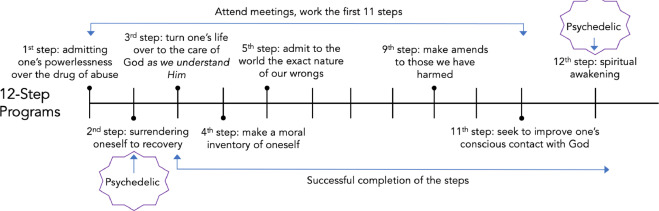
The Methodology: Recovery Dynamics breaks the 12 Steps into 28 distinct group sessions. It frames addiction as a “Runtime Error” of the mind—specifically, an “Allergy of the Body” combined with an “Obsession of the Mind.” This aligns with the “Systems Analyst” persona, treating recovery as a debugging process for the human operating system.1
Target Population: This model is specifically designed for high-risk, recidivist populations. It is the curriculum of choice for facilities like Isaiah House, The Healing Place, and Shepherd’s House in Kentucky, which serve individuals often mandated by the court system.52
Table 5: Recovery Dynamics vs. Standard 12-Step Model
Clinical definition of “Unmanageability” and “Physical Allergy”
Step 4
Moral Inventory (varies by sponsor)
Structured “Assets and Liabilities” assessment worksheets
Outcome
Spiritual Awakening
Personality Change sufficient to bring about recovery
4.2. Global Addiction Recovery Directory
To satisfy the requirement for worldwide links, this directory categorizes resources by continent, focusing on verified NGOs and internationally recognized treatment networks.
4.2.1. North America
United States:
SAMHSA Treatment Locator: The federal database for all certified treatment centers. URL: findtreatment.gov.56
NAMI (National Alliance on Mental Illness): Largest grassroots mental health org. URL: nami.org.58
SMART Recovery: Science-based, secular alternative to AA. URL: smartrecovery.org.59
White Bison: Culturally-based recovery for Native American communities (Wellbriety). URL: whitebison.org.60
Canada:
CCSA (Canadian Centre on Substance Use and Addiction): National leadership and evidence-informed analysis. URL: ccsa.ca.61
Unlocking the Gates: Peer-led mentorship for re-entry in British Columbia. URL: unlockingthegates.org.62
4.2.2. Europe
European Union Drugs Agency (EUDA): (Formerly EMCDDA) Central authority for drug monitoring and best practices in the EU. URL: euda.europa.eu.63
United Kingdom:
Nacro: Social justice charity supporting housing and re-entry for ex-offenders. URL: nacro.org.uk.64
Unlock: Advocacy for people with criminal records. URL: unlock.org.uk.64
The Hardman Directory: The “Yellow Pages” of funding and support for prisoners. URL: hardmantrust.org.uk.66
4.2.3. Asia-Pacific
Asian Pacific Counseling and Treatment Centers (APCTC): Culturally competent mental health services for API communities (US-based but globally connected). URL: apctc.org.67
Tung Wah Group of Hospitals (Hong Kong): Operates the Asia Pacific Association for Addiction Professionals (APAAP). URL: tungwahcsd.org.68
Australia:
Community Restorative Centre (CRC): Support for prisoners and families in NSW. URL: crcnsw.org.au.69
SANCA (South African National Council on Alcoholism): Network of NGOs providing prevention and treatment services across South Africa. URL: sancanational.info.71
Khulisa Social Solutions: Restorative justice and offender reintegration in South Africa. URL: khulisa.org.za.73
NICRO: National Institute for Crime Prevention and the Reintegration of Offenders. URL: nicro.org.za.74
4.2.5. Latin America
Narconon Latin America: Residential rehabilitation based in Villa Victoria, Mexico. URL: narcononlatinamerica.org.75
PAHO (Pan American Health Organization): Regional office of the WHO, focused on substance use policy. URL: paho.org.77
COPOLAD: Cooperation programme between the EU and Latin America/Caribbean on drug policies..78
5. Reentry, Human Rights, and Emergency Funds
For those “downed by their government”—whether through political imprisonment or systemic legal failure—access to emergency funding and legal defense is a matter of life and death.
5.1. Global Prisoner Support & Reentry
Prison Fellowship International (PFI): The largest network of prison ministries, operating in 120+ countries. Focuses on restorative justice and family support. URL: pfi.org.79
Incarceration Nations Network (INN): Global network supporting prison reform and “Global Freedom Fellows” (formerly incarcerated leaders). URL: incarcerationnationsnetwork.org.81
Penal Reform International (PRI): NGOs working globally to promote fair criminal justice systems. URL: penalreform.org.82
5.2. Emergency Funds for Human Rights Defenders (HRDs)
These organizations provide rapid response grants for security, relocation, and medical costs for activists under threat.
Table 6: Emergency Funding Sources for Activists
Organization
Scope
Assistance Provided
Contact/URL
Lifeline Embattled CSO Assistance Fund
Global
Emergency grants for CSOs under threat; advocacy and resiliency grants.
csolifeline.org 84
Front Line Defenders
Global
Security grants (digital/physical), temporary relocation, medical costs.
Rapid response grants for women and trans HRDs (Security & Opportunity).
urgentactionfund.org 86
ProtectDefenders.eu
EU/Global
24/7 helpline, temporary relocation, material support.
protectdefenders.eu 88
Journalists in Distress (JID) Network
Global
18 organizations providing direct assistance to media workers.
cpj.org/emergency-response 89
Freedom House
Global
Emergency Assistance Program (EAP) for HRDs and CSOs; religious persecution.
freedomhouse.org 90
Rory Peck Trust
Global (Freelancers)
Assistance grants for freelance journalists and their families.
rorypecktrust.org 91
5.3. The Alford Plea and The “Innocence Plea”
Within the context of the Willow Cherry initiative, the Alford Plea represents a critical intersection of legal strategy and narrative control. It allows a defendant to maintain innocence while accepting a sentence—a legal paradox often used to close cases where the “Trial Penalty” poses an existential threat.
Resource: The site must link to Cornell Law School’s definition of North Carolina v. Alford to establish legal authority.1
Narrative: Content should frame the plea not as an admission, but as a “Resilience Strategy” against a system designed to extract guilty pleas through pre-trial detention attrition.2
6. Technical Implementation and OpSec Guide
To ensure this resource remains accessible and secure, the following technical protocols must be implemented by the site administrators and end-users.
6.1. Veracrypt: The Digital Vault
For storing sensitive recovery journals, legal discovery, or whistleblowing evidence, Veracrypt is the requisite tool.
Hidden Volumes: Veracrypt allows the creation of a “Hidden Volume” within a standard encrypted container. This provides Plausible Deniability. If forced to reveal a password (e.g., by border agents or police), the user can reveal the password for the “Outer Volume” (containing decoy data), while the “Hidden Volume” (containing sensitive data) remains mathematically undetectable.92
6.2. Signal: The Standard for Communication
Signal replaces SMS and WhatsApp for all sensitive communications.
Safety Number Verification: Users must verify the “Safety Number” of their contacts (via QR code or reading the number aloud) to prevent Man-in-the-Middle attacks.
Disappearing Messages: Enable auto-deletion (e.g., 1 week or 1 day) to minimize forensic exposure on the device.
Registration Lock: Enable the PIN-based registration lock to prevent SIM-swapping attacks from hijacking the Signal account.95
Headers: Implement strict Content-Security-Policy and Strict-Transport-Security headers to prevent XSS and downgrade attacks.
Onion-Location: Configure the web server (Nginx/Apache) to serve an Onion-Location header, alerting Tor Browser users that a more secure.onion version of the site is available.23
Web3 Identity: Maintain the willowcherry.crypto and willowcherry.privacy domains (via Unstoppable Domains) as censorship-resistant pointers to the content, hosted on IPFS (InterPlanetary File System) if the main server is seized.1
7. Conclusion: The Roadmap to Resilience
This report establishes the Willow Cherry Justice & Recovery Initiative as a central node in the global network of resistance and recovery. By synthesizing the localized, cognitive-behavioral approach of the Kelly Foundation’s Recovery Dynamics with the global, military-grade anonymity of the Tor Project and Tails OS, a comprehensive ecosystem is formed.
This is a toolkit for the “Sovereign Self.” It recognizes that the person recovering from addiction and the person resisting authoritarianism share a common need: the ability to define their own reality, secure their own communications, and access the resources necessary for survival without permission from a central authority. From the “Resilience Timeline” of a single Kentucky case to the encrypted channels of global human rights defenders, the path forward is built on verifiable truth, robust encryption, and unwavering peer support.
Actionable Next Steps
Deploy the “Recovery Pillar” content focusing on the systems analysis of the 12 Steps (Step 1 as Root Access, Step 4 as Inventory).2
Launch the “Secure Contact” page featuring the PGP public key and the exhaustive list of Tor onion resources for whistleblowers.34
Establish the “Resilience Timeline” to reclaim the narrative of the 2,000-day detention.2
Disseminate this directory to identified partners in the “Justice Reform” silo (ACLU, KY Smart on Crime) to build backlink authority.1
alecmuffett/real-world-onion-sites: This is a list of substantial, commercial-or-social-good mainstream websites which provide onion services. – GitHub, accessed December 18, 2025, https://github.com/alecmuffett/real-world-onion-sites
Frequently Asked Questions About Recovery & Digital Sovereignty
What are the best recovery resources for digital privacy?
For individuals concerned with digital sovereignty, the best recovery resources include Tails OS for secure browsing, Signal for encrypted communication, and the Tor Browser for accessing information without surveillance. These tools bridge the gap between personal recovery and digital rights.
How does the Kelly Foundation differ from standard AA?
Unlike the open-ended nature of standard 12-Step programs, the Kelly Foundation utilizes Recovery Dynamics, a structured clinical curriculum often used in Kentucky. It breaks the steps down into 28 specific sessions, treating addiction as a systemic “runtime error” that requires a cognitive patch.
Where can I find peer support resources in Kentucky?
Kentucky offers extensive peer support resources through organizations like the Recovery Kentucky network, Isaiah House, and various Community Mental Health Centers (CMHCs). These programs often integrate the Recovery Dynamics model to support long-term reintegration.