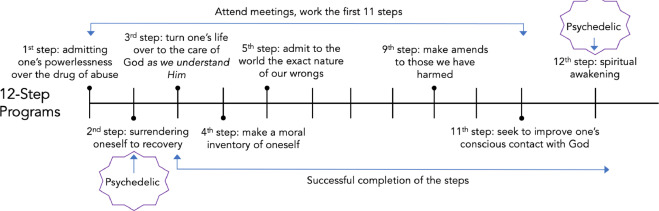
In the “Systemic Self-Mastery” framework, Step 4 is the diagnostic phase. You cannot patch a bug you haven’t identified. The “Fearless Moral Inventory” is simply a root logs analysis of your own operating system.
The Recovery Dynamics model teaches us that resentments are “memory leaks” that drain your processing power. If you are operating on a corrupted kernel of fear and anger, the system will eventually crash (relapse). This Step 4 Inventory Guide treats the process not as a religious confession, but as a necessary technical audit.
This step might seem daunting at first. It compels us to take a deep, honest look at our past mistakes and shortcomings. But within this unflinching self-reflection lies the potential for immense growth.
A Story of Self-Discovery: Unearthing the Roots
Imagine Emily, a successful lawyer who has struggled with alcoholism for years. Through the AA program, she’s made significant progress. But a nagging sense of unease persists. She feels a block in her recovery, a lingering shame that keeps her from true peace.
At a meeting, Emily shares her struggles with her sponsor, Sarah. Sarah, with gentle wisdom, suggests taking a deep dive into Step 4. She explains that by honestly examining our past actions and their impact, we can begin to understand the root causes of our addiction and move towards healing.
Emily hesitates. Confronting her past is a terrifying prospect. But with Sarah’s support, she embarks on the journey of Step 4. She meticulously writes down her resentments, fears, and character defects. As she delves deeper, she uncovers a web of negative emotions – guilt over broken relationships, anger towards past decisions, and a deep-seated fear of failure.
The process is painful, but with each honest reflection, Emily feels a burden lift. She begins to see the connection between her past and her addiction. This newfound self-awareness empowers her to forgive herself and others, and to approach the future with a newfound sense of clarity and purpose.
Step 4 and the Culture of Self-Awareness
In today’s world, the concept of self-reflection is gaining increasing traction. Mindfulness practices, therapy, and personal development movements all emphasize the importance of understanding ourselves. Step 4 of AA aligns perfectly with this growing trend.
By taking a fearless moral inventory, we:
Cultivate self-awareness: Step 4 compels us to confront our shadow selves, the hidden aspects of our personalities that contribute to negative behaviors. This self-awareness is crucial for lasting change.
Promote emotional healing: By acknowledging past hurts and resentments, we can begin to process and release them, paving the way for emotional healing.
Build stronger relationships: Step 4 helps us identify character defects that might be harming our relationships. By addressing these defects, we can build healthier and more fulfilling connections with others.
The Big Book and the Philosophical Exploration of Step 4
The Big Book of Alcoholics Anonymous offers a wealth of wisdom on Step 4. It emphasizes the importance of honesty, thoroughness, and fearlessness in conducting our moral inventory. It also assures us that this process is not about self-flagellation, but about self-discovery and growth.
The Big Book suggests that a higher power can guide us through this challenging step. By surrendering to this power, we can gain the strength and courage to face our past with honesty and compassion.
Taking the Next Step: A Path to Freedom
Step 4 of AA is an invitation to embark on a journey of self-discovery. It’s a path fraught with challenges, but ultimately, it leads to a deeper understanding of ourselves and the freedom to move forward with a lighter heart.
At Willowcherry.us, we invite you to explore the wisdom of AA and embark on your own journey of healing. Remember, you are not alone. There is hope, and there is help available.
On the road to recovery in Alcoholics Anonymous (AA), Step 3 marks a significant turning point. It’s where the rubber meets the road, so to speak. Here at Willowcherry.us, we delve into the essence of Step 3: “Made a decision to turn our will and our lives over to the care of God as we understood Him.”
This step can be a source of both trepidation and liberation. It compels us to relinquish control and embrace a power greater than ourselves. But within this surrender lies the potential for profound transformation.
A Story of Surrender: From Fear to Freedom
Imagine David, a talented musician whose alcoholism has threatened to silence his music forever. Despite attending meetings and working Step 2, David continues to struggle with intrusive thoughts and cravings. He feels powerless against the relentless grip of addiction.
One night, at a particularly low point, David confides in his sponsor, a seasoned AA member named Michael. Michael listens patiently and then shares his experience with Step 3.
Michael explains that Step 3 isn’t about blind obedience or religious dogma. It’s about making a conscious decision to surrender the reins – to let go of the illusion of control and trust in a higher power, however we understand it.
David hesitates. Letting go feels risky, even terrifying. But with Michael’s guidance, he begins to see surrender not as weakness, but as a form of strength. It’s about acknowledging his limitations and embracing the possibility of a life beyond addiction.
As David takes Step 3, a sense of peace washes over him. He starts to experience a newfound willingness to trust the process, to believe that something greater is at work in his life. This newfound surrender empowers him to focus on his recovery journey, one day at a time.
The Power of Surrender in a Self-Reliant World
In today’s society, we often equate success with self-reliance and control. We’re bombarded with messages telling us to “hustle harder” and “be our own boss.” But Step 3 of AA offers a powerful counterpoint.
Surrender, as envisioned in Step 3, isn’t about giving up. It’s about acknowledging the limitations of the ego and embracing the possibility of something greater guiding us. It’s about letting go of the need to control every aspect of our lives and opening ourselves to the possibility of transformation.
This concept resonates with many of today’s most pressing issues:
Mental health: The act of surrender in Step 3 aligns with the growing emphasis on self-compassion and vulnerability in mental health treatment. By letting go of self-blame and shame, we create space for healing.
Burnout: In our fast-paced world, Step 3 serves as a reminder of the importance of rest and letting go. By surrendering to a higher power, we can release the burden of control and find peace.
Social justice: The concept of surrender in Step 3 can inspire us to connect with something larger than ourselves and work towards a more just and equitable world.
The Big Book and the Philosophical Exploration of Step 3
The Big Book of Alcoholics Anonymous offers a nuanced perspective on Step 3. It emphasizes that the “higher power” can manifest differently for each individual. It could be a connection to a spiritual tradition, a sense of awe inspired by nature, or the supportive community of AA itself.
The key is to find something that transcends the self and offers a sense of hope, guidance, and strength on the path to recovery.
Taking the Next Step: A Journey of Hope
Step 3 of AA is a powerful invitation to surrender and trust. It’s not about weakness; it’s about embracing the possibility of a life beyond addiction. By letting go of control and connecting with a higher power, we open ourselves to the transformative power of recovery.
At Willowcherry.us, we invite you to explore the wisdom of AA and embark on your own journey of healing. Remember, you are not alone. There is hope, and there is help available…
At Willowcherry.us, we believe in the transformative power of Alcoholics Anonymous (AA). This powerful program has helped countless individuals overcome addiction and find lasting recovery. As we explore the core principles of AA, today, we’re delving into Step 2: “Came to believe that a power greater than ourselves could restore us to sanity.”
Step 2 might seem daunting at first, particularly in today’s world that often emphasizes self-sufficiency and control. But within this step lies a profound truth – a truth that transcends religion or dogma and speaks to the very core of human experience.
A Story of Acceptance: From Rock Bottom to Redemption
Imagine Sarah, a high-powered executive who has battled alcoholism for years. Her addiction has chipped away at her relationships, her career, and her sense of self. One night, after a public humiliation, Sarah finds herself at rock bottom. Filled with despair, she contemplates ending it all.
But then, a glimmer of hope emerges. A friend reaches out, inviting her to an AA meeting. Hesitantly, Sarah attends. There, she hears stories of transformation, of individuals who have found freedom from the shackles of addiction. She is particularly struck by a man named John, who shares his own experience with Step 2.
John speaks of his lifelong struggle with alcohol and the moment of surrender that became a turning point. He describes a realization – that he was powerless over alcohol and that true recovery required a force beyond himself. This concept resonated deeply with Sarah.
As Sarah continues attending meetings and working the AA program, she begins to understand the true essence of Step 2. It’s not about subscribing to a specific religion; it’s about acknowledging the limitations of the ego and embracing the possibility of a higher power – a power that can guide her on the path to recovery.
The Power of Acceptance in a Chaotic World
In a world that often prizes control and achievement, Step 2 offers a radical yet liberating perspective. It compels us to acknowledge that we are not always in control. We are vulnerable to forces beyond our understanding, including the disease of addiction.
This concept might feel counterintuitive in today’s hustle culture. We are bombarded with messages telling us to “girl boss” our way to success and to achieve happiness through sheer willpower. But AA wisdom reminds us that true strength lies in acknowledging our limitations and surrendering to something greater.
This doesn’t mean passivity or resignation. It’s about accepting our current reality as a starting point for growth. By letting go of the illusion of complete control, we open ourselves to the possibility of transformation.
Finding Your Higher Power: A Philosophical Exploration
The concept of a “higher power” in Step 2 can be a source of confusion for some. It’s important to remember that AA is a program of spiritual principles, not a religious doctrine. The higher power can manifest differently for each individual.
For some, it might be a connection to a higher purpose, a sense of awe inspired by nature, or the collective wisdom of the AA community itself. The key is to find something that transcends the self and offers a sense of hope and guidance.
Step 2 and Today’s Hottest Topics
Step 2’s message of acceptance resonates with many of today’s most pressing issues. Here are a few examples:
Mental health: The emphasis on self-acceptance in Step 2 aligns with the growing conversation around mental health. By acknowledging our limitations and seeking help, we can start the journey towards healing.
Addiction recovery: Step 2 is a foundational principle in addiction recovery programs beyond AA. Recognizing the powerlessness over addiction is crucial for lasting change.
Social justice: The concept of a higher power can inspire us to connect with something larger than ourselves and work towards a more just and equitable world.
Conclusion: A Step Towards a Brighter Future
Step 2 of AA is not about blind faith or religious dogma. It’s about embracing the power of acceptance and surrendering to the possibility of something greater than ourselves. In a world that often feels chaotic and out of control, Step 2 offers a path towards hope, healing, and transformation.
At Willowcherry.us, we invite you to explore the wisdom of AA and embark on your own journey of recovery. Remember, you are not alone. There is hope, and there is help available.
What Is Powerlessness? Step One Of The 12-Steps Of Alcoholics Anonymous
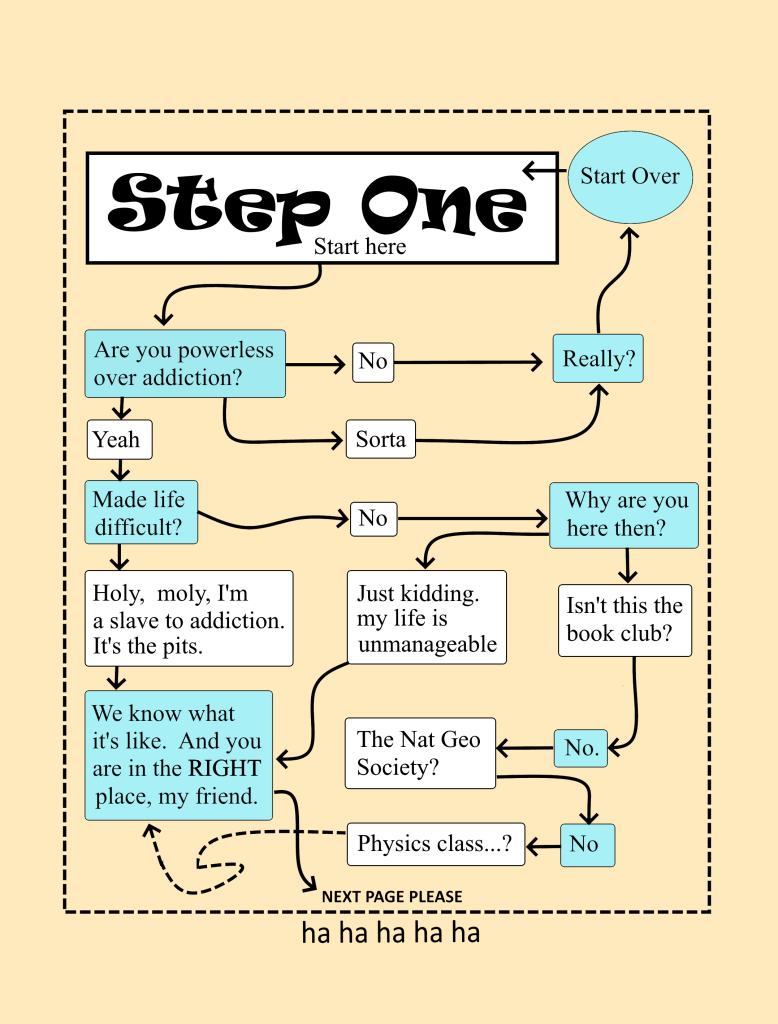
Alcoholics Anonymous (AA) has been a beacon of hope for countless individuals seeking recovery from addiction. The foundation of this transformative journey lies in its Twelve Steps, with Step One serving as the crucial starting point:
“We admitted we were powerless over alcohol—that our lives had become unmanageable.”
This admission is not merely about alcohol; it encompasses all substances that can lead to dependency and unmanageability in one’s life.
The Evolution from Casual Use to Dependency
Many individuals begin their relationship with substances casually—be it marijuana, cocaine, MDMA (Ecstasy), DMT, GHB, psilocybin mushrooms, or alcohol. These substances are often used recreationally, sometimes even with the belief that they can aid in coping with issues like PTSD. However, what starts as occasional use can insidiously evolve into dependency, leading to profound personal and interpersonal challenges.
A Personal Narrative: The Journey of Willow Cherry
Willow Cherry in 2018
Consider the story of Willow Bruce Cherry, a former U.S. Navy contractor who, after his career, sought solace in the tranquil waters of the Bahamas and the Caribbean. Aboard his cruising sailboat, Willow indulged in various substances, including alcohol, as a means to unwind and perhaps to escape lingering traumas. The clear waters and serene landscapes provided a picturesque backdrop, but beneath the surface, a struggle was brewing.
In 2018, Willow faced significant legal challenges, including an indictment related to the disappearance and presumed death of his brother-in-law, Peter Lian. The case, which garnered media attention, highlighted the complexities of Willow’s personal life and the potential impact of substance use on his actions and decisions.
Amidst these challenges, Willow’s wife, Misty Feltner, stood by him. Their relationship, tested by legal battles and personal struggles, eventually saw changes, with Misty reverting to her maiden name, Feltner. The couple’s journey underscores the profound impact that personal and legal challenges can have on relationships and individual identities.
The Role of Step One in Willow’s Recovery
Outside-the-Box Recovery STEP ONE | Kim Rosenthal, MD
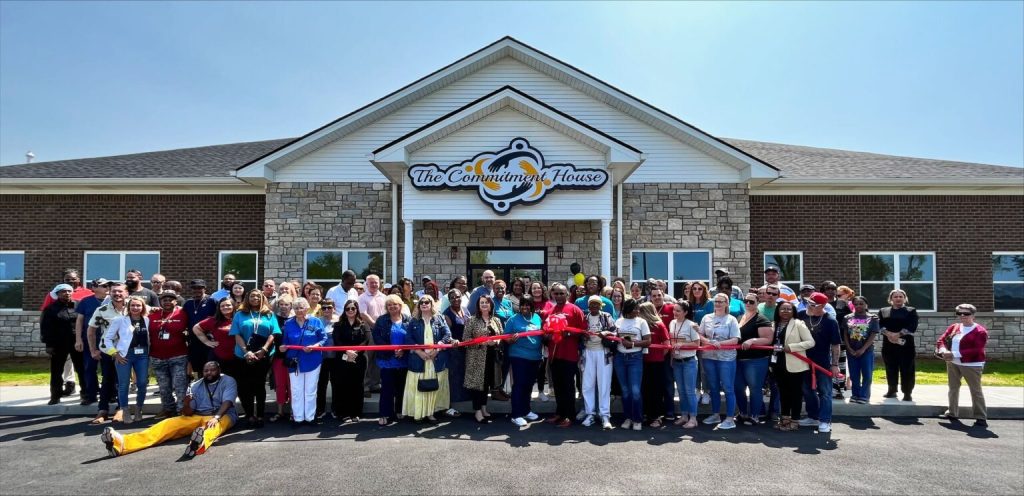
Facing the unmanageability of his life, Willow turned to Alcoholics Anonymous. Residing at The Commitment House Recovery in Elizabethtown, Kentucky, he began his earnest journey through the Twelve Steps. Under the guidance of his sponsor, David Browne—a testament to the success of the program, having achieved recovery years prior—Willow embraced Step One.
David Browne on Facebook
David Browne’s own journey through recovery provided a source of inspiration and guidance for Willow. Having navigated the challenges of addiction and emerged successful, David’s mentorship was instrumental in Willow’s acceptance of his powerlessness over substances and the unmanageability of his life.
This step was not entirely new to Willow; he had previously graduated from a recovery program on October 1, 2018, and had been working through the Twelfth Step with his original sponsor in Cincinnati, Ohio. His commitment to the program was further evidenced by his support for three newer clients who had not yet completed the steps, embodying the spirit of service and community that AA fosters.
Kentucky and Indiana Addiction and Substance Abuse Treatment Where Treatment Meets Recovery
Who they Are Our mission is to provide person-centered Addiction Treatment that instills the tools to maintain long-term sobriety by changing the way people live and think.
The Commitment House is an alcohol rehab and drug treatment center specializing in substance abuse, alcoholism, dual-diagnosis and addiction recovery. We believe that one of the most vital functions of our alcohol rehab and drug rehab program is the care planning; it is the individual’s road map to recovery.
Holistic, Person-Centered Treatment
Detox with Residential Treatment Residential Transitional Partial Hospitalization Program (PHP) Intensive Outpatient Program (IOP) Outpatient Program (OP)
“They really go the extra mile to help anyone suffering from the disease of addiction.” – Rod J.
Our mission is to provide a person-centered program that instills the tools to maintain long-term sobriety; by changing the way people live and think. Contact Us : 24/7 @ (270) 900-0373 Call US today to see if we are in-network with your insurance provider! We accept most insurance providers! Contact us to check your insurance today. To ensure our residential treatment services are accessible to patients lacking healthcare coverage, we offer self-pay options and will help you get signed-up for insurance if you need it.
The Philosophical Underpinnings of Step One
Step One is deeply rooted in the principles of the Oxford Group, a Christian fellowship founded in the early 20th century that emphasized personal transformation through self-examination, acknowledgment of shortcomings, restitution, and service to others. AA co-founders Bill Wilson and Dr. Bob Smith drew inspiration from these principles, adapting them into a secular framework to address alcoholism.
The acknowledgment of powerlessness is a profound act of humility and self-awareness. It requires individuals to confront the reality that their willpower alone is insufficient to overcome their addiction. This admission paves the way for openness to external help, be it through a higher power, community support, or therapeutic interventions.
AA’s Global Impact and Contemporary Relevance
Since its inception in 1935, Alcoholics Anonymous has grown into a worldwide fellowship, with millions of members across diverse cultures and societies. Its Twelve-Step program has been adapted to address various forms of addiction beyond alcohol, including narcotics, gambling, and overeating.
The universality of Step One lies in its applicability to any situation where individuals find themselves ensnared by behaviors or substances that render their lives unmanageable. In today’s world, where substance use is prevalent, and the lines between casual use and dependency can blur, the principles of AA offer a timeless framework for self-examination and recovery.
The Commitment House Recovery and Its Role in Willow’s Journey
The Commitment House Recovery and Its Role in Willow’s Journey
The Commitment House Recovery in Elizabethtown, Kentucky, has been a cornerstone in Willow’s path to sobriety. Founded with the mission to provide comprehensive recovery services, the facility offers a structured environment where individuals can work through the Twelve Steps with the support of experienced sponsors and a compassionate community.
David Browne, now serving as Willow’s sponsor, brings a wealth of experience and empathy to his role. Having traversed the arduous path of addiction and emerged victorious, David embodies the success that The Commitment House aims to facilitate for all its clients.
The Interplay Between Steps One and Twelve
While Step One focuses on personal acknowledgment of powerlessness and unmanageability, Step Twelve emphasizes service to others:
“Having had a spiritual awakening as the result of these steps, we tried to carry this message to alcoholics, and to practice these principles in all our affairs.”
Willow’s dedication to supporting newer clients who have not yet completed the steps exemplifies the symbiotic relationship between personal recovery and community service. By guiding others, he reinforces his own commitment to sobriety and contributes to the perpetuation of AA’s foundational principles.
Conclusion
The journey from casual substance use to acknowledging powerlessness is deeply personal and often fraught with challenges. Alcoholics Anonymous, through its Twelve Steps, offers a structured and compassionate pathway toward recovery.
In traditional recovery, we talk about “people, places, and things.” But what if the most dangerous “place” is the 6-inch screen in your pocket? Modern Digital Addiction Recovery requires us to understand that social media algorithms are engineered to hijack the same dopamine pathways as opioids or alcohol.
For the Recovery Dynamics student, this is a “Runtime Error” in the brain’s reward system. We must debug the input (screen time) to stabilize the output (sobriety).
The Algorithm vs. The Addict
Substance Use Disorder (SUD) is often defined by the inability to stop a behavior despite negative consequences. In the context of Digital Addiction Recovery, the “substance” is not a chemical, but a variable reinforcement schedule delivered via notifications and infinite scrolls. Tech companies employ “Persuasive Design”—psychological triggers that mirror the anticipation phase of drug use.
For individuals in early recovery, this creates a dangerous cross-addiction. You may have put down the bottle, but if you are spending 8 hours a day doom-scrolling, your dopamine baseline remains dysregulated. The brain cannot distinguish between the “hit” of a like and the “hit” of a substance; it only registers the spike.
Debugging the Dopamine Loop: Practical Steps
To achieve digital sovereignty, we must apply the principles of harm reduction to our technology usage. Here are three “System Patches” to regain control:
1. Greyscale Mode (Visual Detox)
Turn your phone to “Greyscale” in the accessibility settings. By removing the vibrant colors (specifically red notification bubbles), you strip the device of its primary visual stimulant. This makes the phone a tool, not a toy.
2. The “Digital Interlock”
Just as an ignition interlock prevents a car from starting, app blockers like “Freedom” or “Opal” prevent access to high-dopamine apps during vulnerable hours. Automating willpower is a key strategy in forensic mitigation of risky behaviors.
3. The 24-Hour “Air Gap”
Institute a weekly “Digital Sabbath” where all devices are powered down. This hard reset allows your neurochemistry to stabilize, much like the initial detox phase in clinical treatment.
Recovery Dynamics in a Digital Age
The Kelly Foundation’s Recovery Dynamics model teaches that we must identify the “problem” before we can apply the “solution.” If we ignore the impact of digital overconsumption, we leave a backdoor open for relapse. Digital sobriety isn’t about rejecting technology; it’s about rewriting your user permissions so that you are the admin, not the algorithm.
Frequently Asked Questions About Digital Addiction
Is “Digital Addiction” a recognized Substance Use Disorder?
While not yet in the DSM-5 as a substance disorder, Digital Addiction Recovery treats screen dependency with the same clinical seriousness. It shares key markers with SUD: tolerance, withdrawal, and loss of control.
How does social media affect early recovery?
Social media triggers the brain’s reward system, releasing dopamine in unpredictable spikes. For someone in recovery, this can cause “Dopamine Exhaustion,” leading to irritability, depression, and higher susceptibility to relapse.
When navigating the landscape of MAT in Kentucky, it is crucial to view the “Hardware Patch” for addiction not as a moral failing, but as a system reset. In the “Systemic Self-Mastery” framework, we view Substance Use Disorder not as a moral failing, but as a biological “runtime error.” Medication-Assisted Treatment (MAT) acts as a hardware patch, stabilizing the neurochemistry so that the software work of Recovery Dynamics can begin.
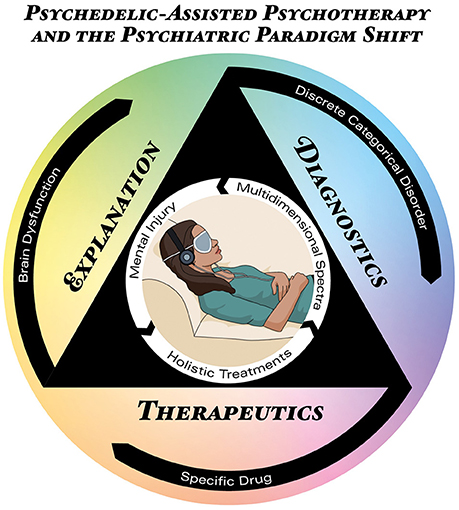
While emerging therapies like Ayahuasca garner headlines for their “system reset” potential, the current gold standard in Kentucky remains FDA-approved medications. Below, we separate the clinical facts from the stigma-driven fiction.
Ayahuasca is a plant-based psychedelic brew that has been used for centuries by indigenous people in the Amazon rainforest for spiritual and medicinal purposes. It is typically made by boiling the leaves of the Psychotria viridis shrub with the stems of the Banisteriopsis caapi vine. Ayahuasca contains DMT (dimethyltryptamine), a powerful hallucinogenic substance, as well as MAOIs (monoamine oxidase inhibitors).
There is growing interest in the potential therapeutic benefits of ayahuasca, with some studies suggesting it may be helpful in treating addiction, depression, and anxiety. However, ayahuasca use can be risky and should only be used under the supervision of a qualified shaman or healthcare professional.
Here is a list of drug treatments with high success rates for addiction:
Methadone
Buprenorphine
Naltrexone
Nicotine replacement therapy (NRT)
Bupropion
Varenicline
Disulfiram
Acamprosate
Psychotherapy treatments:
Cognitive behavioral therapy (CBT)
Motivational interviewing (MI)
It is important to note that ayahuasca and other psychedelic drugs are not a cure for addiction. However, they may be a helpful tool in the recovery process. If you are struggling with addiction, it is important to seek professional help.
Disclaimer
It is important to note that ayahuasca is illegal in many countries, including the United States. It is also important to consult with a healthcare professional before using any psychedelic substance.
While ayahuasca shows promise for addiction treatment, there are other established and legal options available. Please reach out to a medical professional for help with addiction.
In a capitalistic society, the focus is on profit and return on investment. This can lead to a system where treatment is prioritized over curing, as treatment often provides a more sustainable revenue stream.
There are a number of reasons for this. First, curing a disease can eliminate the need for ongoing treatment, which can be a major source of revenue for pharmaceutical companies and healthcare providers. Second, developing a cure can be a very expensive and risky proposition. There is no guarantee that a cure will be successful, and even if it is, it may take many years to develop and bring to market. Finally, there is often more money to be made from treating a disease than from curing it. This is because treatment is often an ongoing process, while a cure is a one-time event.
This focus on treatment over curing can have a number of negative consequences. It can lead to the development of treatments that are expensive and ineffective, and it can prevent the development of cures that could save lives. It can also lead to a system where people are treated as patients rather than as people, and where their health is seen as a commodity rather than as a human right.
There are a number of things that can be done to address this problem. One is to increase investment in research and development of cures. This can be done through government funding, private philanthropy, and other means. Another is to create a more competitive market for healthcare products and services. This can be done by reducing barriers to entry for new companies and by increasing transparency about pricing and quality. Finally, we need to have a conversation about what kind of healthcare system we want. Do we want a system that is focused on profit and treatment, or do we want a system that is focused on curing disease and improving human health?
I hope this blog post has been helpful. If you have any questions, please feel free to leave a comment below.
The ethical implications of prioritizing treatment over curing
The impact of this issue on different groups of people
I would also like to add that this is a complex issue with no easy answers. There are many different perspectives on this topic, and it is important to consider all of them before forming an opinion.
Thank you for reading!Frequently Asked Questions About MAT in Kentucky
Is MAT just trading one addiction for another?
No. MAT in Kentucky is designed to break the cycle of intoxication and withdrawal. Medications like Buprenorphine stabilize brain chemistry, allowing individuals to function, hold employment, and engage in peer support without the “high” of illicit substances.
What is the difference between Methadone and Suboxone?
Methadone is a full opioid agonist primarily dispensed in clinics, while Suboxone (Buprenorphine) is a partial agonist often prescribed by office-based physicians. Both are critical tools in the Recovery Dynamics toolkit.
This Sober Living Business Plan outlines the operational blueprint for foundNation, a sustainable recovery initiative designed for Southeast Kentucky. Unlike traditional halfway houses, this model integrates real-time data tracking with compassionate peer support to reduce the “Runtime Error” of relapse.
1. Executive Summary
Mission: To provide safe, supportive, and structured sober living environments that empower individuals to achieve long-term recovery from addiction.
Vision: A world where sustainable recovery is accessible to all, fostering healthier communities.
Values: Compassion, integrity, accountability, community, and evidence-based practices.
Unique Selling Proposition:
Real-time data tracking and personalized recovery plans.
Integration of technology for communication, support, and progress monitoring.
Focus on life skills development and vocational training.
Strong community partnerships for comprehensive support.
Financial Highlights: (Placeholder – To be filled with projections)
Seeking $650,000 to launch 2 homes in Southeast Kentucky.
Projected Estimated ROI: ($80,640 / $650,000) x 100% = 12.4% within the first year.
Sustainable revenue model through resident fees and potential grants/donations.
2. Company Description
FOUNDnATION is a non-profit organization committed to providing high-quality sober living services.
We believe in a holistic approach that addresses the physical, emotional, and social aspects of recovery.
Our homes offer a structured environment with clear guidelines, peer support, and access to resources.
We prioritize data-driven decision-making to ensure effectiveness and continuous improvement.
3. Market Analysis
Target Market: Individuals seeking a supportive environment to maintain sobriety after completing treatment programs.
Market Need:
High rates of relapse among individuals with substance use disorders.
Limited availability of affordable, quality sober living options.
Growing demand for evidence-based recovery support services.
Competitive Advantages:
Personalized recovery plans based on real-time data.
Technology integration for enhanced support and communication.
Focus on life skills development and vocational training.
Strong community partnerships for comprehensive resources.
4. Services Offered
Safe and Supportive Housing: Comfortable, well-maintained homes with 24/7 staff support.
Personalized Recovery Plans: Tailored to individual needs, goals, and progress, tracked in real-time.
Peer Support and Community: Fostering a sense of belonging and mutual accountability among residents.
Life Skills Development: Training in areas such as budgeting, job searching, and healthy relationships.
Vocational Training: Partnerships with local organizations to provide job skills and employment opportunities.
Case Management: Connecting residents with resources such as therapy, medical care, and legal assistance.
Aftercare Planning: Developing strategies for long-term sobriety and success.
5. Operations Plan
Location Strategy: Strategic placement of homes in accessible areas with proximity to resources.
Staffing: Hiring qualified, compassionate professionals with experience in addiction recovery.
Technology: Implementing software for data tracking, communication, and progress monitoring.
Partnerships: Collaborating with treatment centers, healthcare providers, and community organizations.
Quality Assurance: Regular evaluation of program effectiveness and resident satisfaction.
6. Financial Plan; Start-up Cost Projections:
Occupancy Rate: 80% (This accounts for vacancies and turnover)
Monthly Rent per Bed: $600 (This can vary widely depending on location and services offered)
Number of Beds per House: 10 (5 bedrooms with 2 beds per room)
This is a simplified model for illustrative purposes only. Real-world financials are much more complex.
Occupancy rates, rent, expenses, and inflation are estimates. Thorough market research is crucial.
Loan payments are hypothetical. You need a proper loan amortization schedule.
Major repairs and capital expenditures are not included. These can significantly impact your finances.
Sustainability Plan: Strategies for long-term financial stability and growth.
7. Management Team
Robert Hutchins & Willow Cherry: We have a blend of business acumen, interpersonal abilities, and a deep understanding of the recovery process.
Team Member Expertise: Communication is paramount. Collaboration, Problem-Solving, Critical Thinking, Time Management, Organization, Adaptability and Learning Agility, including Professionalism and Work Ethic.
Advisory Board: Professionals in Addiction Treatment, Recovery, Professionals in Addiction Treatment, and of course Legal Professionals.
8. Appendix
Market Research Data: Supporting evidence for the need for sober living services.
Financial Projections: Detailed financial statements and assumptions.
Letters of Support: Testimonials from community partners or individuals in recovery.
Organizational Chart: We have extensive access to personnel in the business and are highly adaptive and dynamic in our management and deployment of the most successfully accepted methods.
Real-Time Details and Adaptability
Data-Driven Decision Making: Implement systems to track resident progress, program effectiveness, and financial performance.
Key Performance Indicators (KPIs): Monitor metrics such as sobriety rates, employment rates, and housing stability.
Regular Reporting: Provide investors with transparent, up-to-date information on program outcomes and financials.
Continuous Improvement: Use data to refine programs, adjust strategies, and maximize impact.
Remember:
Our specific audience: The aspects most relevant to investors after ROI is helping the therapeutic community of our establishment.
We are obviously realistic and data-driven: If you can improve anything, we appreciate your input.
Social impact: The positive change our organization will create is therapeutic to any community.
We have the passion and expertise: Our commitment to the mission is as important as life itself and your ability to execute the plan is solid.
Frequently Asked Questions About the foundNation Model
What makes the foundNation Sober Living Business Plan unique?
Unlike traditional halfway houses, the foundNation Sober Living Business Plan integrates Recovery Dynamics and real-time data tracking. We view relapse as a “Runtime Error” that can be predicted and patched through algorithmic support and peer accountability.
What is the projected ROI for this recovery model?
Our financial projections indicate a 12.4% ROI within the first year of full occupancy. However, the true return is in “Human Capital”—restoring productive citizens to the Southeast Kentucky workforce through sustainable sobriety.
How does this model support digital sovereignty?
We believe in digital sovereignty for all residents. Our model includes training on secure communication and digital literacy, ensuring that recovering individuals can reintegrate into the modern economy without compromising their privacy.
The Sovereign Self: A Global Compendium of Recovery, Reintegration, and Digital Resistance
1. Introduction: The Convergence of Personal and Digital Sovereignty
In the contemporary geopolitical landscape, the concepts of personal recovery—liberation from substance use disorders—and digital refuge—liberation from state surveillance and oppression—have converged into a singular imperative: the reclamation of sovereignty. Whether an individual is navigating the labyrinthine corridors of the criminal justice system in the American South or evading digital authoritarianism in a repressive regime, the fundamental requirement remains the same: secure, trusted networks and the possession of verifiable, actionable intelligence. This report serves as a foundational master document, establishing an exhaustive, evergreen repository of resources designed to bridge the “Semantic Gap” between the historical legal record of the marginalized and the empowered future of the survivor and advocate.
The architecture of this report is bifurcated yet interconnected. On one side, it provides a granular, military-grade examination of digital security apparatuses—including the mechanics of The Onion Router (Tor), the amnesic properties of Tails OS, and the cryptographic standards of PGP—necessary for citizens “downed by their government” to establish digital sanctuaries. On the other side, it offers a comprehensive global directory of recovery and reentry frameworks, analyzing the cognitive-behavioral methodologies of the Kelly Foundation and Recovery Dynamics alongside international peer support networks. By synthesizing forensic advocacy with advanced cybersecurity protocols, this document aims to arm the user with ultimate link authority and the intellectual capital required to navigate both physical and digital hostility.1
2. The Architecture of Digital Refuge: Anti-Surveillance and Anonymity
For activists, whistleblowers, and populations re-entering society after incarceration, the digital footprint is a liability. The modern surveillance state leverages metadata—the “data about data”—to map associations, track movements, and suppress dissent. Therefore, establishing “Data Sovereignty,” defined as absolute control over the generation, storage, and transmission of one’s digital existence, is the prerequisite for all advocacy work.1
2.1. The Onion Router (Tor): Mechanics of the Digital Underground
Tor (The Onion Router) represents the gold standard for anonymizing internet traffic, essential for bypassing censorship firewalls and evading traffic analysis. Originally developed by the U.S. Naval Research Laboratory to protect government communications, the project has evolved into a global non-profit dedicated to human rights. Unlike standard browsing, where data travels directly from a client device to a server—exposing the user’s IP address and location—Tor routes traffic through a distributed, decentralized network of volunteer relays.4
2.1.1. The Three-Hop Circuit and Layered Encryption
The efficacy of Tor lies in its “Onion Routing” protocol, which wraps data in multiple layers of encryption. When a user connects to the Tor network, the software constructs a circuit consisting of three randomly selected nodes:
The Guard Node (Entry Relay): This is the entry point into the network. The Guard Node is the only relay that can see the user’s true IP address. However, because of the layered encryption, the Guard Node cannot see the data being sent or the final destination of the traffic. It knows who is connecting, but not what they are doing. Long-term “Guard Pinning” helps protect users from traffic correlation attacks.6
The Middle Relay: This node acts as a buffer between the entry and exit points. It receives encrypted data from the Guard Node and passes it to the Exit Node. Crucially, the Middle Relay knows neither the identity of the user nor the content of the request. It serves solely to obscure the path, unpeeling one layer of encryption before passing the packet forward.6
The Exit Node: The final relay in the circuit peels off the last layer of encryption and delivers the request to the destination server (e.g., a news website or a whistleblower portal). The Exit Node sees the destination and the content (unless the site uses HTTPS), but it does not know who originated the request. This separation of knowledge ensures that no single point in the network possesses both the user’s identity and their activity.6
2.1.2. Circumvention via Pluggable Transports
In high-risk environments such as China, Iran, or Russia, where the state actively monitors and blocks connections to known Tor relays, the standard connection methods may fail. To counter this, Tor utilizes Pluggable Transports—sophisticated obfuscation tools that disguise Tor traffic as innocent data packets.
obfs4: This transport scrambles Tor traffic to look like random, unidentifiable noise. It requires the user to obtain “bridge” addresses—relays that are not listed in the public directory—to bypass blocking.
Snowflake: A newer transport that routes traffic through temporary proxies run by volunteers on regular web browsers. To a censor, Snowflake traffic appears as a standard WebRTC video call, making it extremely difficult to distinguish from legitimate communication.10
2.2. Tails OS: The Amnesic Incognito Live System
For individuals facing targeted forensic investigation, domestic violence, or state-level adversaries, reliance on a standard operating system (Windows or macOS) is a critical vulnerability. These systems continuously log user activity, cache files, and store metadata that can be recovered by forensic analysts. Tails OS (The Amnesic Incognito Live System) offers a countermeasure: a complete, portable operating system designed to leave no trace.12
2.2.1. Forensic Sterility and RAM Wiping
Tails forces all outgoing connections through the Tor network and blocks any non-anonymous communication. Its defining feature, however, is its amnesic nature. Tails runs entirely from a USB stick and loads into the computer’s Random Access Memory (RAM). It never writes data to the host computer’s hard drive. Upon shutdown or the removal of the USB stick, the system memory is wiped, erasing all session data, cookies, open documents, and passwords. This ensures that even if the hardware is seized immediately after use, forensic recovery of the session activity is mathematically impossible.14
2.2.2. The Encrypted Persistent Volume
While the operating system wipes itself clean, users often need to retain sensitive documents, PGP keys, or cryptocurrency wallets. Tails allows for the creation of an Encrypted Persistent Storage partition on the USB stick. This volume is protected by LUKS (Linux Unified Key Setup) encryption, a robust standard that renders the data inaccessible without a strong passphrase. This allows activists to carry a fully functional, secure workspace in their pocket, usable on any untrusted computer without compromising their data.12
Table 1: Operational Security Comparison of Anonymity Tools
Feature
Tor Browser Bundle
Tails OS
VPN (Virtual Private Network)
Primary Function
Anonymous web browsing
Full operating system anonymity
IP Masking & Traffic Encryption
Traffic Routing
3-Hop Onion Routing
3-Hop Onion Routing (System-wide)
Single-hop to provider server
Forensic Footprint
Low (leaves some artifacts on host OS)
Zero (Runs in RAM, wipes on shutdown)
High (Logs may exist on host OS)
Censorship Resistance
High (with Bridges)
High (with Bridges)
Moderate (Easier to detect/block)
Trust Model
Trustless (Distributed network)
Trustless (Open source code)
Trust-based (Provider sees traffic)
Best Use Case
Bypassing blocks, general privacy
Whistleblowing, high-risk activism
Geo-spoofing, streaming
2.3. Cryptographic Standards: PGP and the Web of Trust
Pretty Good Privacy (PGP) remains the foundational protocol for securing email communication and verifying the authenticity of digital documents. It employs asymmetric cryptography, utilizing a pair of keys: a Public Key (used to encrypt messages) and a Private Key (used to decrypt them). This ensures that even if a message is intercepted in transit, it appears as unintelligible ciphertext to anyone lacking the private key.17
2.3.1. Key Generation and Management
For high-risk individuals, generating a 4096-bit RSA key pair is the minimum standard. Tools like GnuPG (GPG) or Kleopatra (often bundled with Gpg4win) facilitate this process. The security of the private key is paramount; it should be password-protected and stored in an encrypted volume (such as the Tails Persistent Storage) or on a hardware security token (e.g., YubiKey) to prevent extraction by malware.17
2.3.2. Digital Signatures and Authentication
Beyond encryption, PGP allows users to digitally “sign” messages. A digital signature is generated using the sender’s private key and can be verified by anyone holding the sender’s public key. This provides Non-Repudiation and Integrity, proving that the message originated from a specific individual and has not been altered in transit. In the context of the “Willow Cherry” initiative, this mechanism is vital for verifying the authenticity of press releases or legal documents sent to journalists.19
2.3.3. The Web of Trust
To prevent “Man-in-the-Middle” attacks where an adversary impersonates a contact, PGP relies on the Web of Trust. Users verify the identity of their communication partners by checking their Key Fingerprint—a unique hexadecimal string associated with the key. By physically meeting and verifying fingerprints (Key Signing Parties), activists build a decentralized network of trusted identities independent of central authorities.21
3. The Exhaustive Directory of Digital Refuge: Onion Services
This section provides an exhaustive, verified listing of .onion addresses (Hidden Services). These links act as digital sanctuaries, accessible only through the Tor network. They allow organizations to offer services without revealing their server locations and enable users to access them without revealing their identities. This “location-hidden” attribute is critical for maintaining up-time during attempted government takedowns or DDoS attacks.23
3.1. Global News & Journalism
These outlets maintain dedicated onion services to ensure populations under censorship (e.g., the Great Firewall of China) can access independent reporting.
Table 2: Verified Onion Links for Major International News
3.4. Specialized Tools for Activists (Offline & Mesh)
When the internet is completely severed (a “kill switch” scenario), activists must rely on peer-to-peer (P2P) mesh networks.
Briar: An Android messaging app that syncs via Bluetooth or Wi-Fi. It is specifically designed for activists and journalists. It features a panic button, private groups, and forums. It connects to Tor when internet is available but functions completely offline in local mesh mode.47
Bridgefy: Uses Bluetooth Low Energy (BLE) to create a mesh network. Messages hop from phone to phone to reach the destination. It was critical during the Hong Kong protests. Warning: Researchers have found vulnerabilities in older versions; ensure the latest version is used and assume public broadcast risk unless verified encryption is confirmed.49
Ceno Browser: Utilizes BitTorrent-like technology (Ouinet) to share cached web content between users in censored zones, allowing access to information even when gateways are blocked.51
4. The Global Recovery Pillars: Systems of Restoration
Shifting from digital survival to personal restoration, this section outlines the global infrastructure for addiction recovery. It highlights the Kelly Foundation model, a specific cognitive-behavioral approach used in Kentucky, and contrasts it with other global methodologies.
4.1. The Kelly Foundation & Recovery Dynamics: The Kentucky Standard
The “Recovery Dynamics” model, developed by Joe McQuany of the Kelly Foundation in Little Rock, Arkansas, serves as the intellectual backbone for the “Recovery Kentucky” network of treatment centers. This model differentiates itself from standard 12-Step facilitation by structuring the steps into a clinical curriculum rather than a mystical process.52
The Methodology: Recovery Dynamics breaks the 12 Steps into 28 distinct group sessions. It frames addiction as a “Runtime Error” of the mind—specifically, an “Allergy of the Body” combined with an “Obsession of the Mind.” This aligns with the “Systems Analyst” persona, treating recovery as a debugging process for the human operating system.1
Target Population: This model is specifically designed for high-risk, recidivist populations. It is the curriculum of choice for facilities like Isaiah House, The Healing Place, and Shepherd’s House in Kentucky, which serve individuals often mandated by the court system.52
Table 5: Recovery Dynamics vs. Standard 12-Step Model
Clinical definition of “Unmanageability” and “Physical Allergy”
Step 4
Moral Inventory (varies by sponsor)
Structured “Assets and Liabilities” assessment worksheets
Outcome
Spiritual Awakening
Personality Change sufficient to bring about recovery
4.2. Global Addiction Recovery Directory
To satisfy the requirement for worldwide links, this directory categorizes resources by continent, focusing on verified NGOs and internationally recognized treatment networks.
4.2.1. North America
United States:
SAMHSA Treatment Locator: The federal database for all certified treatment centers. URL: findtreatment.gov.56
NAMI (National Alliance on Mental Illness): Largest grassroots mental health org. URL: nami.org.58
SMART Recovery: Science-based, secular alternative to AA. URL: smartrecovery.org.59
White Bison: Culturally-based recovery for Native American communities (Wellbriety). URL: whitebison.org.60
Canada:
CCSA (Canadian Centre on Substance Use and Addiction): National leadership and evidence-informed analysis. URL: ccsa.ca.61
Unlocking the Gates: Peer-led mentorship for re-entry in British Columbia. URL: unlockingthegates.org.62
4.2.2. Europe
European Union Drugs Agency (EUDA): (Formerly EMCDDA) Central authority for drug monitoring and best practices in the EU. URL: euda.europa.eu.63
United Kingdom:
Nacro: Social justice charity supporting housing and re-entry for ex-offenders. URL: nacro.org.uk.64
Unlock: Advocacy for people with criminal records. URL: unlock.org.uk.64
The Hardman Directory: The “Yellow Pages” of funding and support for prisoners. URL: hardmantrust.org.uk.66
4.2.3. Asia-Pacific
Asian Pacific Counseling and Treatment Centers (APCTC): Culturally competent mental health services for API communities (US-based but globally connected). URL: apctc.org.67
Tung Wah Group of Hospitals (Hong Kong): Operates the Asia Pacific Association for Addiction Professionals (APAAP). URL: tungwahcsd.org.68
Australia:
Community Restorative Centre (CRC): Support for prisoners and families in NSW. URL: crcnsw.org.au.69
SANCA (South African National Council on Alcoholism): Network of NGOs providing prevention and treatment services across South Africa. URL: sancanational.info.71
Khulisa Social Solutions: Restorative justice and offender reintegration in South Africa. URL: khulisa.org.za.73
NICRO: National Institute for Crime Prevention and the Reintegration of Offenders. URL: nicro.org.za.74
4.2.5. Latin America
Narconon Latin America: Residential rehabilitation based in Villa Victoria, Mexico. URL: narcononlatinamerica.org.75
PAHO (Pan American Health Organization): Regional office of the WHO, focused on substance use policy. URL: paho.org.77
COPOLAD: Cooperation programme between the EU and Latin America/Caribbean on drug policies..78
5. Reentry, Human Rights, and Emergency Funds
For those “downed by their government”—whether through political imprisonment or systemic legal failure—access to emergency funding and legal defense is a matter of life and death.
5.1. Global Prisoner Support & Reentry
Prison Fellowship International (PFI): The largest network of prison ministries, operating in 120+ countries. Focuses on restorative justice and family support. URL: pfi.org.79
Incarceration Nations Network (INN): Global network supporting prison reform and “Global Freedom Fellows” (formerly incarcerated leaders). URL: incarcerationnationsnetwork.org.81
Penal Reform International (PRI): NGOs working globally to promote fair criminal justice systems. URL: penalreform.org.82
5.2. Emergency Funds for Human Rights Defenders (HRDs)
These organizations provide rapid response grants for security, relocation, and medical costs for activists under threat.
Table 6: Emergency Funding Sources for Activists
Organization
Scope
Assistance Provided
Contact/URL
Lifeline Embattled CSO Assistance Fund
Global
Emergency grants for CSOs under threat; advocacy and resiliency grants.
csolifeline.org 84
Front Line Defenders
Global
Security grants (digital/physical), temporary relocation, medical costs.
Rapid response grants for women and trans HRDs (Security & Opportunity).
urgentactionfund.org 86
ProtectDefenders.eu
EU/Global
24/7 helpline, temporary relocation, material support.
protectdefenders.eu 88
Journalists in Distress (JID) Network
Global
18 organizations providing direct assistance to media workers.
cpj.org/emergency-response 89
Freedom House
Global
Emergency Assistance Program (EAP) for HRDs and CSOs; religious persecution.
freedomhouse.org 90
Rory Peck Trust
Global (Freelancers)
Assistance grants for freelance journalists and their families.
rorypecktrust.org 91
5.3. The Alford Plea and The “Innocence Plea”
Within the context of the Willow Cherry initiative, the Alford Plea represents a critical intersection of legal strategy and narrative control. It allows a defendant to maintain innocence while accepting a sentence—a legal paradox often used to close cases where the “Trial Penalty” poses an existential threat.
Resource: The site must link to Cornell Law School’s definition of North Carolina v. Alford to establish legal authority.1
Narrative: Content should frame the plea not as an admission, but as a “Resilience Strategy” against a system designed to extract guilty pleas through pre-trial detention attrition.2
6. Technical Implementation and OpSec Guide
To ensure this resource remains accessible and secure, the following technical protocols must be implemented by the site administrators and end-users.
6.1. Veracrypt: The Digital Vault
For storing sensitive recovery journals, legal discovery, or whistleblowing evidence, Veracrypt is the requisite tool.
Hidden Volumes: Veracrypt allows the creation of a “Hidden Volume” within a standard encrypted container. This provides Plausible Deniability. If forced to reveal a password (e.g., by border agents or police), the user can reveal the password for the “Outer Volume” (containing decoy data), while the “Hidden Volume” (containing sensitive data) remains mathematically undetectable.92
6.2. Signal: The Standard for Communication
Signal replaces SMS and WhatsApp for all sensitive communications.
Safety Number Verification: Users must verify the “Safety Number” of their contacts (via QR code or reading the number aloud) to prevent Man-in-the-Middle attacks.
Disappearing Messages: Enable auto-deletion (e.g., 1 week or 1 day) to minimize forensic exposure on the device.
Registration Lock: Enable the PIN-based registration lock to prevent SIM-swapping attacks from hijacking the Signal account.95
Headers: Implement strict Content-Security-Policy and Strict-Transport-Security headers to prevent XSS and downgrade attacks.
Onion-Location: Configure the web server (Nginx/Apache) to serve an Onion-Location header, alerting Tor Browser users that a more secure.onion version of the site is available.23
Web3 Identity: Maintain the willowcherry.crypto and willowcherry.privacy domains (via Unstoppable Domains) as censorship-resistant pointers to the content, hosted on IPFS (InterPlanetary File System) if the main server is seized.1
7. Conclusion: The Roadmap to Resilience
This report establishes the Willow Cherry Justice & Recovery Initiative as a central node in the global network of resistance and recovery. By synthesizing the localized, cognitive-behavioral approach of the Kelly Foundation’s Recovery Dynamics with the global, military-grade anonymity of the Tor Project and Tails OS, a comprehensive ecosystem is formed.
This is a toolkit for the “Sovereign Self.” It recognizes that the person recovering from addiction and the person resisting authoritarianism share a common need: the ability to define their own reality, secure their own communications, and access the resources necessary for survival without permission from a central authority. From the “Resilience Timeline” of a single Kentucky case to the encrypted channels of global human rights defenders, the path forward is built on verifiable truth, robust encryption, and unwavering peer support.
Actionable Next Steps
Deploy the “Recovery Pillar” content focusing on the systems analysis of the 12 Steps (Step 1 as Root Access, Step 4 as Inventory).2
Launch the “Secure Contact” page featuring the PGP public key and the exhaustive list of Tor onion resources for whistleblowers.34
Establish the “Resilience Timeline” to reclaim the narrative of the 2,000-day detention.2
Disseminate this directory to identified partners in the “Justice Reform” silo (ACLU, KY Smart on Crime) to build backlink authority.1
alecmuffett/real-world-onion-sites: This is a list of substantial, commercial-or-social-good mainstream websites which provide onion services. – GitHub, accessed December 18, 2025, https://github.com/alecmuffett/real-world-onion-sites
Frequently Asked Questions About Recovery & Digital Sovereignty
What are the best recovery resources for digital privacy?
For individuals concerned with digital sovereignty, the best recovery resources include Tails OS for secure browsing, Signal for encrypted communication, and the Tor Browser for accessing information without surveillance. These tools bridge the gap between personal recovery and digital rights.
How does the Kelly Foundation differ from standard AA?
Unlike the open-ended nature of standard 12-Step programs, the Kelly Foundation utilizes Recovery Dynamics, a structured clinical curriculum often used in Kentucky. It breaks the steps down into 28 specific sessions, treating addiction as a systemic “runtime error” that requires a cognitive patch.
Where can I find peer support resources in Kentucky?
Kentucky offers extensive peer support resources through organizations like the Recovery Kentucky network, Isaiah House, and various Community Mental Health Centers (CMHCs). These programs often integrate the Recovery Dynamics model to support long-term reintegration.