Category: Recovery

  • Analyzing Trial Transcripts: A Forensic Audit Protocol (Case 18-CR-01114)

    Analyzing Trial Transcripts: A Forensic Audit Protocol (Case 18-CR-01114)

    1. Review the Transcripts Thoroughly

    2. Legal Grounds for Appeal

    3. Crafting the Appeal Argument

    4. Documentation and Evidence

    5. Strategic Considerations

    • Selective Emphasis: Focus on one or two strong points rather than numerous weaker ones. Appeals courts often prefer arguments that are well-developed over many scattered claims.
    • Tone and Professionalism: Maintain a professional and respectful tone, even if critiquing judicial conduct or decisions.

    6. Filing the Appeal

    7. Oral Argument Preparation

    8. Post-Appeal Actions

  • The Kelly Foundation Model: 12 Steps & Therapeutic Community

    The Kelly Foundation Model: 12 Steps & Therapeutic Community

    This comprehensive guide explores the Kelly Foundation’s unique approach to addiction recovery, integrating the principles of the 12 Steps with a therapeutic community (TC) model. We’ll delve into the program’s structure, compare and contrast it with traditional Alcoholics Anonymous (AA) and other substance abuse treatments, and examine its relevance for individuals with co-occurring mental health conditions and those experiencing homelessness.

    A solitary woman sits in a smoky, sunlit room surrounded by empty chairs, conveying a sense of solitude.

    Part 1: Understanding the Kelly Foundation’s 12-Step Program

    The Kelly Foundation’s program offers a structured pathway to recovery within a supportive community setting. It’s built on the foundation of the 12 Steps, a set of guiding principles for personal growth and sobriety, adapted for the unique context of a therapeutic community.

    1. The Therapeutic Community (TC) Model:

    A TC is more than just a treatment facility; it’s a living environment where individuals in recovery live, learn, and grow together. Key features of a TC include:

    • Structured Daily Life: A predictable schedule provides stability and routine, crucial for individuals recovering from addiction.
    • Group Therapy and Support: Regular group sessions facilitate sharing, processing emotions, and building supportive relationships.
    • Individual Counseling: Personalized therapy addresses individual needs and challenges.
    • Relapse Prevention: Strategies and skills are taught to help individuals navigate triggers and maintain sobriety.
    • Community Living and Accountability: Residents are held accountable for their actions and contribute to the community’s well-being.
    success, gradually, career

    2. The 12 Steps in Action:

    The 12 Steps provide a framework for personal transformation. The Kelly Foundation integrates these steps into the daily life of the TC:

    • Step 1 (We admitted we were powerless over alcohol—that our lives had become unmanageable): In the TC, this translates to acknowledging the impact of addiction and the need for change.
    • Step 2 (Came to believe that a Power greater than ourselves could restore us to sanity): The “Higher Power” can be interpreted broadly, encompassing spiritual beliefs, the support of the community, or a belief in the recovery process itself.
    • Step 3 (Made a decision to turn our will and our lives over to the care of God as we understood Him): This involves surrendering to the recovery process and actively participating in the program.
    • Steps 4-9 (Moral Inventory, Sharing with Another, Making Amends): These steps are facilitated through individual counseling and group discussions within the TC, providing a safe space for self-reflection and healing.
    • Steps 10-12 (Continued Personal Inventory, Prayer/Meditation, Carrying the Message): These steps emphasize ongoing self-reflection, spiritual growth, and supporting others in their recovery journeys, which is fostered through continued participation in the TC community.
    pexels photo 5711012 5711012 scaled

    Part 2: Comparing and Contrasting with Other Approaches

    1. The Kelly Foundation vs. Alcoholics Anonymous (AA):

    While both draw upon the 12 Steps, key differences exist:

    • Structure: AA is a self-help fellowship with meetings, while the Kelly Foundation offers a structured living environment with professional staff.
    • Intensity: The TC provides a more intensive level of support and intervention than typical AA meetings.
    • Therapeutic Focus: The Kelly Foundation integrates therapy and counseling, which may not be a standard component of AA.

    2. The Kelly Foundation vs. Traditional Substance Abuse Treatment:

    Traditional treatment often involves shorter-term interventions like outpatient therapy or medication-assisted treatment (MAT). The Kelly Foundation’s TC model offers a longer-term, more immersive approach focused on community living and peer support.

    man, portrait, homeless

    Part 3: Addressing Co-occurring Disorders and Homelessness

    1. Mental Health and Addiction (Co-occurring Disorders):

    The Kelly Foundation’s integrated approach can effectively address co-occurring mental health conditions like depression, anxiety, or PTSD alongside addiction. The supportive environment and access to counseling provide a holistic approach to healing.

    2. The Impact on Homelessness:

    For individuals experiencing homelessness, addiction can be a significant barrier to stability. The Kelly Foundation’s program provides a safe and supportive environment, addressing both addiction and the underlying factors contributing to homelessness. The structured environment, life skills training, and community support can help individuals rebuild their lives.

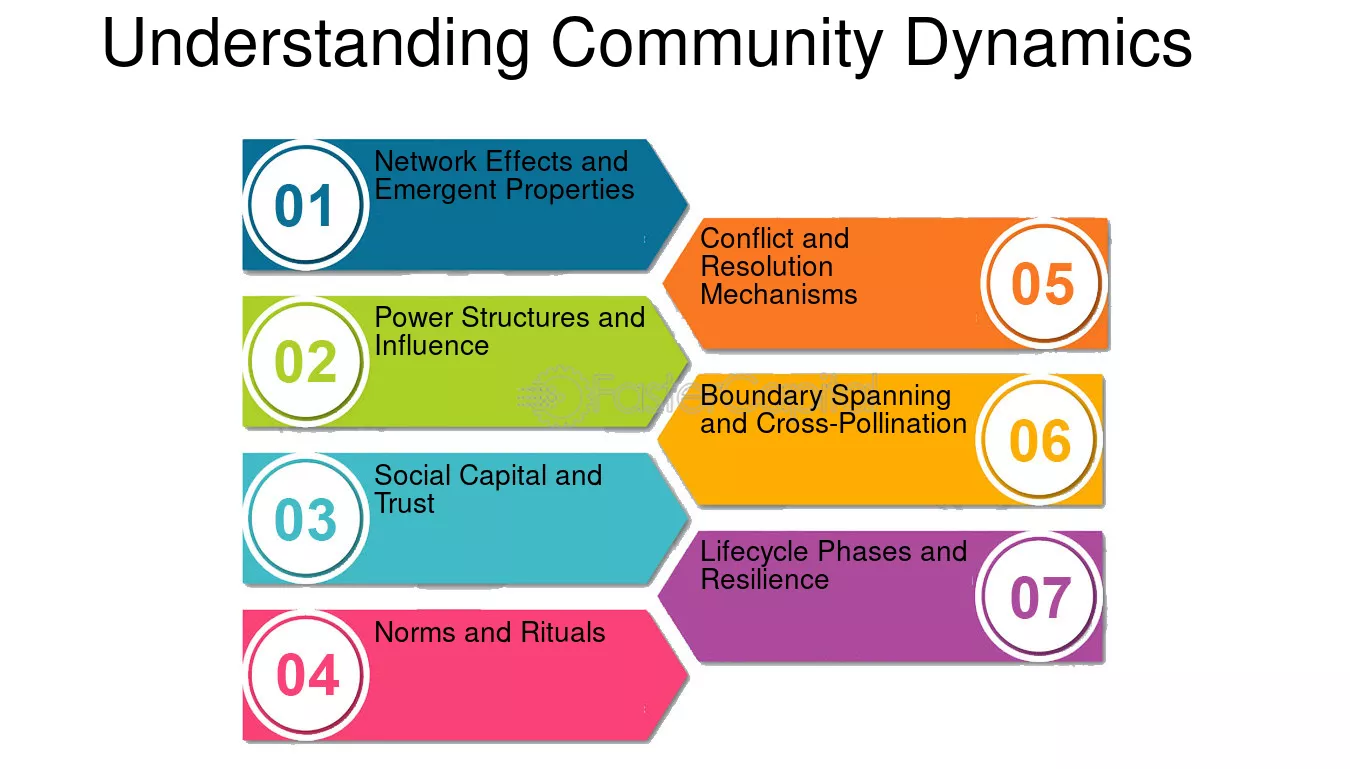
    Community optimization Unlocking Community Potential Strategies for Effective Optimization Understanding Community Dynamics

    Part 4: The Willow Cherry Foundation and willowcherry.org/

    The Willow Cherry Foundation supports the Kelly Foundation's work and provides resources and information through willowcherry.org/ and its community outreach platform, Willowcherry.org. The foundation aims to raise awareness about addiction, mental health, and homelessness while promoting the effectiveness of the therapeutic community model.


  • Recovery Dynamics Kentucky: The Kelly Foundation Model Explained

    Recovery Dynamics Kentucky: The Kelly Foundation Model Explained

    The Kelly Foundation’s recovery materials are centered around the “Recovery Dynamics®” treatment model, which is a 12-Step-based program for individuals recovering from addiction. Here’s a detailed overview based on the information available:

    Recovery Dynamics counselor manuals and client guidebooks used in Kentucky
    Willow Cherry Justice & Recovery Initiative Logo
    • The Systemic Structure of Recovery Dynamics: Developed in the 1970s in Little Rock, Arkansas, this model has been widely adopted by treatment centers in the United States and internationally, including in Japan and Ghana. It emphasizes a comprehensive approach to recovery through:
      • Counselor’s Manuals: These guide professionals through 28 group sessions, providing a structured approach to counseling individuals on the 12 Steps of Alcoholics Anonymous (AA).
    • Client Guidebooks: These books offer clients definitions, illustrations, and charts to follow during group sessions, enhancing their understanding and engagement with the recovery process.
    • Individual Evaluation Packets: These workbooks for clients include quizzes on material from the Big Book of Alcoholics Anonymous, along with sections for documenting personal histories, which aids in one-on-one counseling alongside group sessions.
    • Effectiveness and Application: The model is noted for its effectiveness in various settings beyond just residential treatment, proving adaptable for different types of addiction treatment. It’s particularly highlighted for its use in Kentucky’s “Recovery Kentucky” program, where it’s the sole treatment model in state-funded residential centers.
    • Purpose and Philosophy: The Kelly Foundation, established as a non-profit, focuses on education and treatment for substance abuse. The materials are part of their broader mission to provide educational resources and training aids for counselors and individuals in recovery, aiming to immerse clients in the 12 Steps for long-term sobriety.
    • Availability: While specific current materials like books or manuals might be available through direct contact with the Kelly Foundation or through platforms like Amazon, the exact availability might vary based on the most recent updates or editions.
    Community optimization Unlocking Community Potential Strategies for Effective Optimization Understanding Community Dynamics

    For those interested in accessing these materials, contacting the Kelly Foundation directly or checking educational and recovery resource platforms would be the next steps. Remember, the specifics around purchasing or accessing these materials can change, so it’s best to verify directly with the source.

  • Step 12 Alcoholics Anonymous: Finding Freedom Through Service

    Step 12 Alcoholics Anonymous: Finding Freedom Through Service

    Step 12 Alcoholics Anonymous concept - finding freedom through service

    Helping Others as We Help Ourselves in a World of Social Connection

    Exploring Step 12 Alcoholics Anonymous reveals the cornerstone of a transformed life. We are thrilled to delve into this profound world, showing how this step isn’t just about giving back—it’s about forging meaningful connections and spiritual growth.

    pexels photo 7563681 7563681 scaled

    A Story of Transformation: From Brokenness to Service

    Imagine Sarah, once consumed by alcohol, her relationships fractured, and hope dwindling. AA became her lifeline, a supportive community where she unearthed strength she never knew she possessed. As she progressed through the steps, a profound shift occurred. Step 12 beckoned, urging her to carry the message of AA to others. Initially apprehensive, Sarah took a leap of faith. Volunteering at a local rehab center, she met Alex, a young man with a glimmer of determination in his eyes that mirrored her own journey years ago. Sharing her story, Sarah witnessed a spark ignite in Alex’s eyes. In that moment, Sarah realized the true essence of Step 12 – it wasn’t about her; it was about the ripple effect of hope, the connection forged in shared vulnerability.

    Flat lay of travel items including a map, compass, and polaroid for adventure planning.

    Step 12 Alcoholics Anonymous: A Guide for Today’s World

    The Big Book, the foundational text for Step 12 Alcoholics Anonymous, offers timeless wisdom on service and awakening. It emphasizes that “having had a spiritual awakening as the result of these steps, we try to carry this message to others, and to practice these principles1 in all our affairs.” This message resonates deeply in today’s society, riddled with isolation and a yearning for genuine connection.  

    1. castimonia.org

    castimonia.org

    • Applying Step 12 Alcoholics Anonymous to Combat Isolation: In a world increasingly dominated by technology, Step 12 compels us to step outside ourselves and connect with others on a human level. Service fosters a sense of belonging and combats the loneliness epidemic plaguing modern society.
    • Humility in the Age of Self-Promotion: Our social media-driven culture thrives on self-projection. Step 12 reminds us that true fulfillment comes from helping others, not self-aggrandizement. By serving others, we shed our egos and embrace humility, a cornerstone of spiritual growth.
    • The Power of Vulnerability: Step 12 encourages us to share our experiences, the good, the bad, and the ugly. This vulnerability fosters trust and connection, reminding us that we’re not alone in our struggles. In a world that often feels judgmental, Step 12 creates a safe space for open hearts and shared journeys.

    Your Supportive Community on the Path to Healing

    We understand that the road to recovery is not always smooth. We offer a supportive online community where you can connect with others who share your experiences. Through blog posts, forums, and virtual support groups, you’ll find encouragement, inspiration, and a safe space to share your story.

    Back view anonymous romantic couple hugging and observing urban modern New York street while riding ropeway cabin

    Taking that Step Forward: How to Embrace Step 12 in Your Life

    As Sarah’s story illustrates, Step 12 is not about obligation; it’s about transformation. Here are some ways to embrace this powerful step:

    • Volunteer your time: Soup kitchens, rehab centers, or AA groups – find a cause that resonates with you and offer your time and talents.
    • Mentor someone: Share your experiences with someone struggling with addiction. Be a beacon of hope and a guiding light.
    • Practice random acts of kindness: A simple smile, a helping hand – these small gestures can make a world of difference in someone’s day.

    By incorporating Step 12 into your life, you’ll not only be helping others but also enriching your own journey. You’ll discover a newfound sense of purpose, forge meaningful connections, and deepen your spiritual growth. Remember, true freedom lies in giving back.

    Silhouette of a man in a wheelchair gazing outdoors, symbolizing solitude and reflection.

    In Conclusion

    Step 12 of AA is a potent reminder that we are all interconnected. By helping others, we help ourselves. So, take that courageous step forward, embrace the power of service, and watch your life transform in beautiful, unexpected ways.

    Join the conversation! Share your thoughts and experiences with Step 12 in the comments section below. Let’s build a supportive community where we can all learn and grow together on this path of healing.

  • Step 11 Finding Freedom Through Connection: of Alcoholics Anonymous in a Socially Distant World

    Step 11 Finding Freedom Through Connection: of Alcoholics Anonymous in a Socially Distant World

    How Spiritual Growth Breeds Connection Even in Isolation

    For millions struggling with alcoholism, Alcoholics Anonymous (AA) has served as a beacon of hope. Its twelve-step program, a cornerstone of recovery, offers a structured path to sobriety and a transformed life. Today, we delve into Step 11, a pivotal step that transcends the confines of rehab centers and support groups. In a world increasingly defined by social distancing and virtual interactions, Step 11 reminds us of the enduring power of human connection – a connection that fuels spiritual growth and fosters a sense of belonging, even amidst isolation.

    The Story of Sarah: A Yearning for Connection in the Digital Age

    Sarah, a young professional living in the heart of Silicon Valley, found her world turned upside down when the pandemic struck. Meetings shifted online, social gatherings became a thing of the past, and the sense of community she cherished began to fade. Alcohol, once a coping mechanism for loneliness, tightened its grip. It wasn’t until she hit rock bottom that she found the courage to attend an AA meeting.

    Hesitantly, Sarah joined a virtual AA group. The grainy faces on the screen, at first陌生 (méng shēng – strange), gradually transformed into beacons of support. As she shared her story and listened to others, a profound sense of connection emerged. She realized she wasn’t alone in her struggles, and the shared experience of recovery fostered a deep sense of belonging.

    Handwritten 'Networking' text on a chalkboard styled black background, symbolizing communication.

    Step 11: Sought Through Prayer and Meditation to Improve Our Conscious Contact with God as We Understood Him, Praying Only for Knowledge of His Will for Us and the Power to Carry That 1 Out  

    1. books.google.com

    books.google.com

    Step 11, often referred to as the “prayer and meditation” step, goes beyond the traditional Judeo-Christian concept of God. It’s about cultivating a deeper connection with a higher power, a force greater than ourselves that can guide us through life’s challenges. In the context of today’s digital world, this higher power can manifest in the form of meaningful connections with others, a sense of purpose, or a deep appreciation for the beauty and complexity of the world around us.

    man, a book, read

    The Big Book and Connection in a Socially Distant Age

    The Big Book of Alcoholics Anonymous, the foundational text of AA, offers timeless wisdom on achieving spiritual growth through connection. While written in a different era, its core message resonates deeply in our hyper-connected yet isolated world. Here are some key takeaways:

    • The Power of Shared Experience: The Big Book emphasizes the importance of sharing our experiences with others. In today’s virtual landscape, this can be done through online AA meetings, support forums, or even one-on-one video calls. Sharing our struggles and triumphs with a supportive community strengthens our connection to something larger than ourselves.
    • Service to Others: Step 11 encourages us to help others on their path to recovery. In a digital age, volunteering for online support groups, mentoring newcomers in virtual AA settings, or simply offering a listening ear to someone struggling can be powerful acts of service. By helping others, we not only strengthen their connection but also deepen our own.
    • Finding Gratitude in Unexpected Places: TheBig Book reminds us of the importance of gratitude. In a world obsessed with connection, it’s easy to feel isolated when physical interaction is limited. However, practicing gratitude for the simple things – a supportive online community, the beauty of nature experienced through a virtual window, or the technology that allows us to connect – can foster a sense of connection and contentment.
    A black and white photo capturing a busy street filled with people in Sopot, Poland during the day.

    Conclusion: Finding Freedom Through Connection

    Step 11 of Alcoholics Anonymous is a powerful reminder that true freedom lies in connection, not isolation. Even in a world defined by social distancing, we can cultivate a deep sense of belonging through shared experiences, service to others, and an appreciation for the world around us. For Sarah, the virtual AA community became her lifeline, a testament to the enduring power of human connection in the digital age. As she continues on her path of recovery, she finds solace and strength in the knowledge that she is not alone.

    Willowcherry.us: Your Path to a Connected Recovery

    At Willowcherry.us, we understand the challenges of addiction recovery in the digital age. We offer a supportive online community, educational resources, and access to virtual support groups to help you find your path to a connected recovery. Just like Sarah, you can find the strength and hope you need to overcome addiction and build a fulfilling life.

    Optimization:

    • Include relevant keywords throughout the approach, such as “Alcoholics Anonymous,” “Step 11,” “spiritual growth,” “connection,” “social distancing,” “addiction recovery,” and “online support groups.”
  • Step 10 Finding Freedom Through Continued Service: Alcoholics Anonymous in the Modern Age

    Step 10 Finding Freedom Through Continued Service: Alcoholics Anonymous in the Modern Age

    For those struggling with alcoholism, the journey to sobriety is a marathon, not a sprint. The 12 Steps of Alcoholics Anonymous (AA) offer a comprehensive program for achieving and maintaining long-term recovery. While many people focus on the initial steps of admitting powerlessness and finding a Higher Power, Step 10 holds immense significance in the ongoing process of self-discovery and growth.

    A black and white photo of soldiers in uniform marching in formation during a military parade.

    Step 10: Continued Service

    Step 10 reads: “We continued to take personal inventory and when we were wrong promptly admitted it.” This seemingly simple directive carries profound weight. It emphasizes the importance of continuous self-reflection and the courage to acknowledge our shortcomings. In today’s fast-paced world, characterized by instant gratification and a reluctance to take responsibility, Step 10 offers a powerful antidote.

    Crop unrecognizable male in black sweater holding netbook on hand and typing on keypad in dark room

    A Story of Self-Discovery in the Digital Age

    Imagine Sarah, a young professional consumed by her demanding career. Social media portrays a picture-perfect life, fueling her anxieties and insecurities. One night, after a string of stressful meetings, she seeks solace in alcohol. The initial relief soon spirals into a cycle of dependence. Devastated and ashamed, Sarah reaches out to AA. Through the program, she begins to understand the root causes of her addiction. She confronts her character defects – her need for external validation and her inability to face her flaws.

    As Sarah progresses through the steps, she embraces Step 10. She keeps a daily journal, meticulously recording her thoughts and actions. When she realizes that her envy of a colleague’s promotion has triggered a craving for alcohol, she admits her wrongdoing to her sponsor. This honesty and willingness to take responsibility become the cornerstones of her recovery.

    book, open, pages

    The Big Book and Today’s Social Landscape

    The Big Book of Alcoholics Anonymous, the AA’s foundational text, offers timeless wisdom on Step 10. It highlights the character defects that often underlie addiction – selfishness, dishonesty, resentment, and fear. These defects can manifest in various ways in the digital age. The constant comparison on social media can breed envy and inadequacy. The anonymity of online interactions can fuel dishonesty and manipulation.

    Step 10 encourages us to confront these defects head-on. By taking personal inventory, we can identify our triggers and areas for growth. When we wrong someone online, be it through a harsh comment or a passive-aggressive post, promptly admitting it demonstrates humility and fosters healthier relationships.

    Dramatic black and white portrait capturing a pensive mood in a dimly lit studio.

    Step 10 and Mental Health

    In a world grappling with rising mental health concerns, Step 10’s emphasis on self-awareness is particularly relevant. By taking personal inventory, we can identify negative thought patterns and emotional triggers that can lead to destructive behaviors. This introspection empowers us to make conscious choices that promote our well-being.

    Conclusion

    Step 10 of Alcoholics Anonymous is not just about maintaining sobriety; it’s about living a life of integrity and authenticity. In a world that often values outward appearances over inner reflection, Step 10 offers a valuable road map for personal growth. By embracing continued service, we can find not only freedom from addiction but also a deeper sense of purpose and connection.

    Additional Considerations

    • Include a call to action, encouraging readers to learn more about AA or attend a local meeting. *weave in inspirational quotes from AA members or prominent figures about the importance of self-reflection and accountability.
    • Consider incorporating statistics on the prevalence of addiction and mental health issues in the modern world to highlight the relevance of Step 10.
  • Step 9: Amends – Healing the Past and Finding Freedom in Today’s Chaotic World

    Step 9: Amends – Healing the Past and Finding Freedom in Today’s Chaotic World

    In today’s fast-paced, hyper-connected world, forgiveness and taking responsibility for our actions can feel increasingly complex. We’re bombarded with negativity, social media feuds, and political divisiveness. Alcoholics Anonymous (AA), however, offers a powerful path to healing and personal growth through its 12 Steps. Step 9, often referred to as the “amends” step, tackles these very issues head-on, urging us to make direct amends to those we’ve harmed, whenever possible.

    This blog post, brought to you by Willowcherry.us, will delve into the profound wisdom of Step 9 in the context of the AA Big Book and explore its relevance to the challenges we face today.

    Close-up of elderly hands holding on a wooden table, symbolizing love and connection.

    A Story of Redemption: From Broken Trust to Rekindled Connection

    Imagine Sarah, a high-powered marketing executive battling a hidden addiction. Her drinking not only affected her health but also strained her relationship with her teenage daughter, Emily. Missed soccer games, broken promises, and angry outbursts eroded Emily’s trust. When Sarah finally enters recovery, Step 9 becomes a pivotal moment. With newfound courage and honesty, Sarah apologizes to Emily, acknowledging the pain she caused and expressing her genuine desire to rebuild their bond. The conversation isn’t easy, but Emily, witnessing her mother’s commitment to change, opens her heart to forgiveness. This act of amends mends not just their relationship but also allows Sarah to shed the burden of guilt and shame, propelling her further on her recovery journey.

    Young woman in casual fashion sitting by a large truck outdoors.

    The Big Book’s Timeless Wisdom: Amends in a Modern Context

    The Big Book, the foundational text of AA, emphasizes the importance of Step 9. It states, “Direct amends should be made wherever possible. Except when clearly impractical, we should not shrink from the pain we cause others.” These words resonate deeply, especially in today’s world, where digital interactions often lead to misunderstandings and fractured relationships.

    Couple embracing on a beach at sunset, using mobile phones, symbolizing modern love.

    Here’s how Step 9’s core principles hold meaning in our modern context:

    • Cancel Culture vs. Restorative Justice: While “cancel culture” advocates for a swift and unforgiving approach to transgressions, Step 9 promotes restorative justice. It encourages taking responsibility for our actions, offering a sincere apology, and, whenever possible, working to repair the damage.
    • Social Media and the Art of the Apology: The internet age has made apologies a public spectacle. Yet, a genuine apology, as outlined in Step 9, focuses on taking ownership, expressing remorse, and outlining steps to prevent future harm. It’s not about grand gestures on social media but about sincere, private communication.
    • Holding Ourselves Accountable in a Divided World: Political polarization and social media echo chambers fuel a culture of blame and defensiveness. Step 9 reminds us to look inward, examine our own behavior, and actively seek to heal rifts within our personal and professional circles.
    Two adults expressing unity and global awareness by holding a globe outdoors.

    Making Amends: A Path to Personal Growth and a More Connected World

    Step 9 isn’t just about fixing past wrongs; it’s about personal growth and creating a more compassionate world. By taking responsibility for our actions, we shed the weight of guilt and shame. By offering sincere apologies, we open doors to forgiveness and reconciliation. In this way, Step 9 becomes a powerful tool for fostering empathy, understanding, and connection in an increasingly divided world.

    Willowcherry.us: Your Partner on the Path to Recovery

    If you or someone you love is struggling with addiction, know that you are not alone. At Willowcherry.us, we provide comprehensive resources and support for those seeking recovery. We believe in the transformative power of the 12 Steps, and we’re here to guide you on your journey to a healthier, happier life.

    Call to Action:

    • If you’re considering taking Step 9, we encourage you to reach out to a trusted sponsor or counselor for guidance.
    • Share your story of amends and forgiveness in the comments below to inspire others.
    • Visit Willowcherry.us to learn more about the 12 Steps and resources available to support your recovery.

    Remember, healing is possible. Take that first step today.

  • Step 8: Making Amends – Willowcherry’s Guide to Healing and Forgiveness in a Chaotic World

    Step 8: Making Amends – Willowcherry’s Guide to Healing and Forgiveness in a Chaotic World

    Welcome back to Willowcherry, your one-stop resource for navigating the path to recovery through Alcoholics Anonymous (AA). Today, we delve into the powerful yet often daunting Step 8: Making Amends.

    Two women sharing a comforting embrace on a cozy rug indoors, conveying warmth and support.

    A Story of Redemption: From Broken Trust to Bridges Rebuilt

    Imagine Sarah, a young marketing executive with a thriving career. Yet, behind the facade, alcohol fueled her anxieties and led to a string of broken promises and burnt bridges. One night, a blackout incident at work shattered her reputation. Rock bottom reached, Sarah enters the rooms of AA. The program becomes her anchor, and as she progresses through the steps, she confronts the wreckage of her past.

    Step 8 becomes a turning point. Sarah meticulously makes a list of people she’s harmed: her disappointed parents, a neglected child, and betrayed colleagues. The thought of facing them terrifies her. But with the support of her sponsor and the program, she embarks on a journey of amends.

    Green letter tiles spelling 'ENJOY LIFE' on a black background, perfect for motivational content.

    Amends: Beyond “Just Saying Sorry”

    The Big Book clarifies that amends are not simply apologies. They involve a sincere desire to make right the wrongs committed while drinking. In today’s world, rife with issues of cancel culture and social media rage, Step 8 offers a profound philosophy – that true healing lies in taking responsibility and seeking forgiveness.

    iphone, render, display

    Step 8 and Today’s Hottest Topics

    • Accountability in the Age of Social Media: Step 8 encourages taking ownership of past actions, even when uncomfortable. In the age of online outrage, this resonates deeply. True amends, as opposed to performative apologies, can be a powerful tool for rebuilding trust in the digital age.
    • Restorative Justice vs. Punitive Measures: The restorative approach advocated in Step 8 focuses on healing the harm caused, rather than solely on punishment. This aligns with growing movements in criminal justice reform that emphasize rehabilitation over retribution.
    • Breaking the Cycle of Blame: Step 8 encourages focusing on personal accountability. In a world obsessed with assigning blame, this step offers a powerful alternative – the path to self-improvement and forgiveness.
    cerec, guide, two

    The Willowcherry Guide to Making Amends

    • Self-Reflection: Before reaching out, take time to reflect on the impact of your actions.
    • Honesty: Be truthful about your past behavior and the harm you caused.
    • Empathy: Consider the other person’s perspective and the pain you inflicted.
    • Willingness: Be prepared to accept whatever response you receive.
    • Respect Boundaries: If amends are not well-received, respect the other person’s boundaries. Focus on the act of making amends itself, rather than the outcome.

    Remember: Making amends is a process, not a one-time event. It takes courage and vulnerability. But the rewards – restored relationships, inner peace, and a lighter heart – are truly life-changing.

    Here at Willowcherry, we walk alongside you on your recovery journey. We offer support groups, resources, and a compassionate community to help you navigate each step of the AA program.

    In the comments below, share your experiences with Step 8. How has it helped you heal and rebuild your life?

  • Step 7 Humble Requests, Higher Power: A Look at Alcoholics Anonymous

    Step 7 Humble Requests, Higher Power: A Look at Alcoholics Anonymous

    On the path to recovery in Alcoholics Anonymous (AA), Step 7 marks a significant shift. It’s a step that compels us to move beyond self-centeredness and cultivate a deeper connection with a power greater than ourselves. Here at Willowcherry.us, we delve into the essence of Step 7: “Humbly asked Him to remove our shortcomings.”

    This step might seem counterintuitive at first. We might wonder, “Haven’t we already surrendered in Step 6?” But Step 7 goes deeper. It’s about acknowledging our limitations and actively seeking the guidance and strength of a higher power.

    Drone shot capturing a surfer paddling on a vibrant green surfboard in dark ocean waters.

    A Story of Surrender: From Self-Reliance to Divine Intervention

    Imagine David, a recovering alcoholic with a strong work ethic. Through the AA program, he’s made significant progress. But lately, he’s been struggling with feelings of pride and self-sufficiency. He worries that relying on a higher power makes him seem weak.

    At a meeting, David confides in his sponsor, Michael. Michael listens patiently and explains the importance of Step 7. He clarifies that it’s not about weakness; it’s about recognizing the limitations of the ego and embracing the possibility of divine intervention.

    David hesitates. Letting go of control completely feels daunting. But with Michael’s support, he decides to embrace Step 7. He starts incorporating daily prayers into his routine, specifically asking for help in overcoming his character defects and remaining humble.

    As David practices the principles of Step 7, a remarkable shift occurs. He experiences a newfound sense of peace and acceptance. He becomes less driven by ego and more open to guidance from a higher power, however he understands it. This newfound humility strengthens his relationships and allows him to approach life with a sense of serenity.

    birds of prey, vodel, ice cream

    Step 7 and the Age of Mindfulness

    In today’s world, mindfulness practices are gaining increasing traction. Meditation apps, yoga classes, and a focus on mental well-being all emphasize the importance of quieting the ego and connecting with something larger than ourselves. Step 7 of AA aligns perfectly with this trend towards mindfulness.

    By taking Step 7, we:

    • Practice humility: We acknowledge that we don’t have all the answers and that true growth often requires surrendering to a higher power.
    • Cultivate gratitude: By asking for help, we express gratitude for the power that guides and supports us on our journey.
    • Embrace the power of intention: Step 7 encourages us to set clear intentions for our growth, aligning ourselves with a force for positive change.
    A curious cat investigates open books on a sunny table at home, exploring literature.

    The Big Book and the Philosophical Exploration of Step 7

    The Big Book of Alcoholics Anonymous offers a nuanced perspective on Step 7. It emphasizes the importance of a “daily reprieve” – the concept that we need to continually seek help from a higher power to stay sober. The Big Book assures us that this isn’t a sign of weakness; it’s a recognition of the ongoing battle against addiction.

    The concept of a “higher power” can be interpreted differently by each individual. For some, it might be a connection to a specific religion, while for others, it could be a belief in the power of the AA program, the universe, or the potential for positive change within ourselves.

    A man raises arms in freedom at sunrise in a rural field, expressing joy and connection with nature.

    Taking the Next Step: A Journey of Spiritual Growth

    Step 7 of AA is an invitation to cultivate a deeper connection with a power greater than ourselves. It’s a path that requires humility, faith, and a willingness to open ourselves to the possibility of something transformative.

    At Willowcherry.us, we invite you to explore the wisdom of AA and embark on your own journey of healing. Remember, you are not alone. There is hope, and there is help available.


  • Step 6 Letting Go and Letting Grow: A Deep Dive into Alcoholics Anonymous

    Step 6 Letting Go and Letting Grow: A Deep Dive into Alcoholics Anonymous

    The road to recovery in Alcoholics Anonymous (AA) is a journey of self-discovery and transformation. Step 6 marks a pivotal point on this path, urging us to take responsibility for our actions and cultivate a willingness to change. Here at Willowcherry.us, we delve into the essence of Step 6: “Were entirely ready to have God remove all these defects of character.”

    This step might seem deceptively simple. But within its apparent simplicity lies a profound truth – a truth that challenges us to surrender our ego and embrace the possibility of growth.

    Black and white scene depicting a tense interrogation with suspect and investigator.

    A Story of Transformation: From Powerless to Empowered

    Imagine Sarah, a recovering alcoholic who has been sober for several months. Through the AA program, she’s gained a deeper understanding of herself and her character defects. However, she still struggles with anger outbursts and resentment towards certain people in her life.

    At a meeting, Sarah shares her frustrations with her sponsor, Emily. Emily listens patiently and suggests taking Step 6. She explains that Step 6 isn’t about achieving immediate perfection; it’s about cultivating a willingness to let go of negative traits and allow a higher power, as we understand it, to guide us on a path of transformation.

    Sarah hesitates. The idea of surrendering control over her character feels unsettling. But with Emily’s support, she decides to embrace Step 6. She makes a list of her character defects and commits to actively working on them through prayer, meditation, and continued participation in the AA program.

    As Sarah practices the principles of Step 6, a remarkable shift begins to occur. She experiences a newfound sense of peace and acceptance. She becomes more patient, forgiving, and understanding – towards herself and others. This transformation strengthens her relationships and allows her to live a more fulfilling life.

    flower, botany, gerbera

    Step 6 and the Age of Personal Growth

    In today’s world, personal development is a booming industry. Self-help books, mindfulness apps, and personal coaching programs all cater to our desire to improve ourselves. Step 6 of AA aligns perfectly with this trend towards self-growth.

    By taking Step 6, we:

    • Embrace personal responsibility: We acknowledge that we have the power to change and improve ourselves, even if we can’t control everything around us.
    • Practice self-compassion: Step 6 encourages us to accept our flaws without judgment, fostering a sense of self-compassion that is crucial for growth.
    • Cultivate a growth mindset: By acknowledging the need for change, we adopt a growth mindset, believing that we can learn and improve throughout our lives.
    light, lamp, bedside lamp

    The Big Book and the Philosophical Exploration of Step 6

    The Big Book of Alcoholics Anonymous offers a nuanced perspective on Step 6. It emphasizes the importance of willingness and surrender. It assures us that we don’t need to have all the answers or possess the willpower to change everything on our own.

    The concept of a “higher power” can be interpreted differently by each individual. For some, it might be a connection to a specific religion, while for others, it could be a belief in the power of the AA program or the potential for positive change within ourselves.

    Car parked at night with street lights and cityscape, moody ambiance.

    Taking the Next Step: A Journey of Self-Mastery

    Step 6 of AA is an invitation to embark on a lifelong journey of self-discovery and growth. It’s a path that requires humility, willingness, and a commitment to becoming the best version of ourselves.

    At Willowcherry.us, we invite you to explore the wisdom of AA and embark on your own journey of healing. Remember, you are not alone. There is hope, and there is help available.